How to Make Persian Rice with GOLDEN Tahdig Crust
31 August 2026 · 2:49 watch
Advertisement
Learn the essential techniques for cooking flawless Persian rice, from parboiling and rinsing to engineering a perfectly golden, crispy tahdig crust.
Key takeaways
- Thoroughly rinse basmati rice to strip away surface starch, ensuring individual, fluffy grains.
- Parboil the rice to an al dente state before draining to prevent it from turning mushy during the steaming phase.
- Use a cloth-wrapped lid (damkesh) to absorb moisture and stop condensation from ruining the dry steam environment.
- Combine fat, liquid, and gentle, controlled heat at the base of a heavy-bottomed pot to form a uniform, golden crust.
Mastering Persian rice, or chelo, is a fundamental skill for any chef looking to showcase precision starch cookery. The goal is a stark contrast in textures: individual, elongated grains of basmati that are light and fluffy, paired with a crisp, golden crust known as tahdig. This technique requires strict control over moisture, heat distribution, and timing.
The Parboiling and Rinsing Foundation
The process begins long before the pot hits the heat. Thoroughly rinsing the basmati rice in cold water is non-negotiable to remove excess surface starch, preventing the grains from sticking together. The rice is then parboiled in rapidly boiling, highly salted water. The key is to catch the rice at the precise moment where the exterior is tender but the core retains a firm bite—similar to pasta cooked al denteAl DenteItalian for "to the tooth"; describing pasta or vegetables cooked until tender but retaining a firm bite.. If parboiled too long, the steam stage will turn the rice mushy; undercooked, and the final grain will remain hard. Once drained, the rice is rinsed quickly with cold water to stop the cooking process and wash away any remaining surface starch.
Building the Steam Dome and Crust
Creating the iconic tahdig relies on a two-step cooking process within a heavy-bottomed pot, ideally non-stick or well-seasoned cast iron to ensure clean release. A layer of fat—typically melted butter, oil, or a combination—along with a splash of water and saffron liquid is placed at the bottom of the pot. A portion of the parboiled rice is layered over this base, packed down gently to form the crust. The remaining rice is spooned over the top in a pyramid shape, and steam vents are poked through the mound using the handle of a wooden spoon.
To achieve the dry, fluffy texture characteristic of Persian rice, the pot lid must be wrapped in a clean kitchen towel. This absorbs rising steam, preventing condensation from dripping back down onto the grains. The rice cooks on medium heat initially to establish the crust, then continues on a low flame to steam through. The result is a dramatic, golden dome of rice that releases cleanly when inverted, offering a brilliant contrast of textures for service.
Questions from the pass
Frequently asked questions
Why is it necessary to rinse the rice multiple times before cooking?
Rinsing removes excess surface starch from the basmati grains. This prevents the rice from becoming gummy or sticky during the parboiling and steaming stages, ensuring each grain remains completely separate, light, and fluffy in the final presentation.
What is the purpose of wrapping the pot lid in a tea towel?
Wrapping the lid, a technique traditionally called a damkesh, traps and absorbs the rising steam. This prevents condensation from dripping back onto the rice mound, which would make the top layers wet and soggy instead of perfectly dry and fluffy.
How do you know when the rice is ready to be drained during the parboiling stage?
The rice is ready when the outer layer of the grain is tender but the center still retains a firm, distinct bite. It must feel al dente, as the grains will finish cooking entirely during the final steaming phase.
What type of pot is best suited for achieving a clean tahdig release?
A heavy-bottomed, non-stick pot or a well-seasoned cast-iron pan is ideal for this technique. Excellent heat conduction prevents localized hot spots that burn the crust, while the non-stick surface facilitates a clean, unbroken release when inverting.
Can you achieve a golden tahdig without using saffron?
While you can achieve a crisp crust using just oil or butter, saffron provides the classic, highly sought-after aroma and deep, golden-orange colour. Alternatively, turmeric or thin slices of potato can be placed at the bottom for different variations.
Main ingredients
Original video by BIG CHEF COOKING. This overview is written independently by The Chef's Circle editorial desk — watch the original on YouTube.
Keep reading
Related from the Community
 22:45
22:4518 Microwave Hacks You Need to Know (Nicole's Best Tips & Tricks!) | Allrecipes
 47:23
47:23Steve | The Vivaldi Way is live!
 8:02
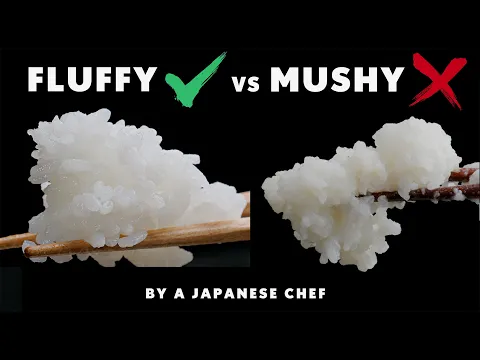
8:02Stop Cooking Rice This Way—Do This for Fluffy Rice Every Time | Japanese Chef
 11:25
11:25SEAFOOD OMELETTE | CRAB FISH PRAWNS Omelette Recipe Cooking in Village | Healthy Egg Omelet Recipe
 0:55
0:55#australia #food #brisbane #foodlover #cooking #foodie #recipe #easyrecipe #short #shorts
 0:29
0:29