Chef JP Made Fried Rice Without a WOK?! (Pro Chef Reacts)
15 August 2026 · 13:14 watch
Advertisement
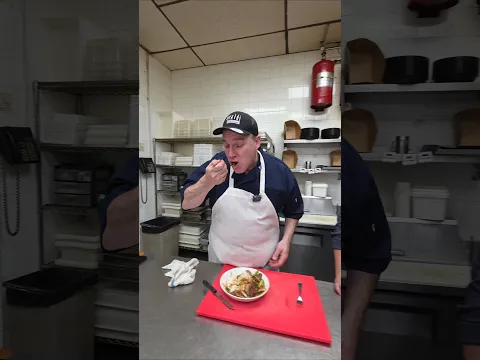
When classic French culinary technique meets traditional egg fried rice, things get chaotic. Professional chef James Makinson reviews Chef Jean-Pierre's wok-free approach, examining whether flat-bottomed pans and Western methods can truly deliver a restaurant-quality stir-fry.
Key takeaways
- Wok-free stir-frying requires active manual aeration to prevent the rice from steaming in its own moisture.
- Using cold, day-old dehydrated rice remains non-negotiable for achieving distinct, individual grains.
- High-smoke-point neutral oils should be preferred over olive oil to preserve authentic flavour profiles.
- Flat-bottomed Western pans can achieve excellent caramelisation but lack the convective heat required for true wok hei.
In this analytical review, Chef James Makinson dissects Chef Jean-Pierre’s unconventional approach to traditional egg fried rice. When classical French culinary training intersects with East Asian street food staples, the results are highly instructional for professional kitchen environments. Makinson evaluates whether classical Western pans can replicate the high-heat magic of a seasoned wok, and where westernised modifications either succeed or falter.
Western Cookware vs The Traditional Wok
A primary talking point is the absence of a traditional carbon steel wok. Chef Jean-Pierre opts for a wide, flat-bottomed Western pan. For professional chefs, this choice alters the heat dynamics entirely. A traditional wok relies on wok heiWok HeiThe distinctive smoky, roasted flavour developed when food is cooked rapidly in a very hot wok.—the 'breath of the wok'—achieved through the combustion of oil droplets in high-heat convection currents. Using a flat-bottomed pan reduces this signature smoky essence but provides a more stable, even heat distribution across the base. While it allows for excellent caramelisationCaramelisationThe thermal breakdown of sugars that creates browned colour and complex sweet, toasted flavours. and prevents crowding, chefs must adjust their tossing technique to ensure the rice is aerated rather than merely stirred, avoiding a heavy, oily finish.
Technical Pitfalls and Flavour Profiles
The review highlights the critical role of ingredient selection and fat mediums. The introduction of non-traditional fats, such as olive oil, remains a contentious point of debate. Classic fried rice relies on neutral oils with high smoke points to allow the clean flavours of the egg, spring onion, and seasoned rice to shine. Furthermore, the handling of starch is paramount. Traditional methods dictate using cold, day-old cooked rice to prevent clumping. If a chef transitions to hot, freshly boiled rice without proper dehydration, the steam converts the dish into a gummy mass. Makinson’s reaction emphasizes maintaining the integrity of these fundamental steps, even when adapting recipes to Western home kitchens or modern commercial environments lacking dedicated wok stations.
Questions from the pass
Frequently asked questions
Can you achieve authentic wok hei in a flat-bottomed pan?
Achieving true wok hei is virtually impossible without a traditional carbon steel wok and a high-BTU burner. Wok hei relies on the vaporization of oil droplets suspended in the air during rapid tossing. However, a heavy flat-bottomed pan can still produce excellent caramelisation if heat is managed correctly.
Why is day-old cold rice preferred for fried rice?
Day-old rice has had time to dry out, which reduces surface moisture and firms up the starch structure. If you use freshly cooked, hot rice, the excess moisture will steam the grains during frying, leading to a sticky, clumped texture rather than separate, distinct grains.
What oil is best for frying rice if olive oil is avoided?
Neutral oils with high smoke points, such as peanut, canola, or sunflower oil, are best. They allow the high-heat cooking process to proceed safely without smoking or imparting strong, contrasting flavours, unlike olive oil, which can burn easily and overwhelm the delicate balance of the dish.
How should a chef adjust their tossing technique when not using a wok?
When using a flat-bottomed skillet, focus on lifting and folding the rice rather than sliding it. Because the sides are shallower and less curved than a wok, you must actively lift the rice to aerate it and prevent grease buildup at the bottom of the pan.
Main ingredients
Original video by Chef James Makinson. This overview is written independently by The Chef's Circle editorial desk — watch the original on YouTube.
Keep reading
Related from the Community
 12:08
12:08An Italian Chef Eats Numbing-Spice Hot Pot (in Sichuan, China)
 11:17
11:17For the Best Scallion Oil Noodles, Use These Two Sauces | America's Test Kitchen
 26:00
26:00Pro Chefs Blind Taste Test Every Frozen Fried Rice | The Taste Panel | Epicurious
 5:58
5:58Italian Chef Tries Eating Rabbit Head in China (Local Delicacy)
 2:45
2:45I Made Mongolian Beef and It's So Good 🤤
 2:53
2:53