Cuisine

Creole

A chef's guide to professional Creole cuisine, focusing on traditional roux techniques, the holy trinity, and classic recipes from culinary icons like Chef Leah Chase.

Creole cuisine is built on a precise intersection of French technique, Spanish influence, West African ingredients, and Choctaw traditions. Unlike its rural Cajun counterpart, Creole is a refined, city-born style of cooking that relies on deep stocks, rich sauces, and the foundational "holy trinity" of onions, celery, and green bell peppers. Mastery of this section starts with the roux—specifically the patience required to develop a deep, mahogany color without scorching the flour.

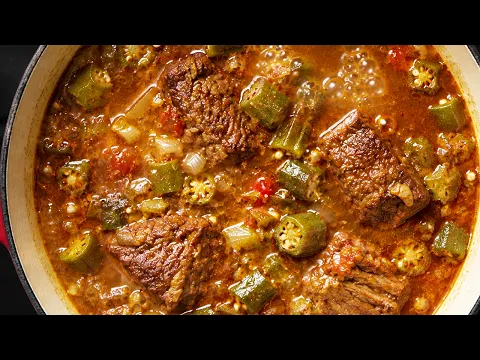
In this hub, we look at the fundamentals that define Creole menus. You will find practical masterclasses, including a breakdown of gumbo preparation with the late, legendary Chef Leah Chase, alongside resource updates from the NOURISH channel.

The focus here is on technique over shortcuts. We cover how to balance heavy spicing with clean acidity, how to manage thickeners like filé powder and okra, and the exact ratios needed to keep your sauces velvety rather than sludge-like.
Questions from the pass

Creole: frequently asked

What is the difference between Creole and Cajun roux?

Creole roux traditionally uses butter as the fat base, though oil is common, and is cooked to a blonde or milk-chocolate stage. Cajun roux relies strictly on oil or lard, taken to a much darker, smoky mahogany colour. Creole cookery also incorporates tomatoes, which are rarely found in classic Cajun dishes.

What is the ratio for the Creole holy trinity?

The standard ratio for the Creole holy trinity is three parts onion, two parts celery, and one part green bell pepper by weight. For a professional service, sweat this aromatic base gently in butter or oil without colouring it, establishing the foundational flavour profile for classic dishes like crawfish étouffée and gumbo.

How do you prepare Chef Leah Chase's classic Gumbo z'Herbes?

This iconic dish requires an odd number of greens, typically nine varieties including mustard, collard, turnip, and spinach. Boil the greens, puree them, and combine with a medium roux, ham, smoked sausage, and brisket. Simmer for at least one hour to integrate the deep, earthy flavours before serving with white rice.

How do you stop okra from going slimy in Creole gumbo?

Okra releases mucilage when wet. To control this in a commercial kitchen, roast sliced okra at 200°C for 15 minutes, or pan-fry it with a splash of vinegar until the moisture evaporates before adding it to the stew. Alternatively, use dried filé powder off the heat as the thickener instead of okra.

How long does it take to cook a dark roux for Creole gumbo?

Using equal parts by weight of plain flour and vegetable oil, a dark roux takes 30 to 45 minutes of constant whisking over a medium-low heat. It must reach a deep copper or milk-chocolate shade, registering around 190°C. Rushing the process over high heat scorches the flour, ruining the batch with black specks.

The library is just the prep work

Step off the pass. Join the network.

A free account on The Chef's Circle app gets you a professional portfolio, a way in with chefs and kitchens across our 1.6 million-strong following, and a cut of the ad revenue on the content you make.