 18:25
18:25Bon Appétit
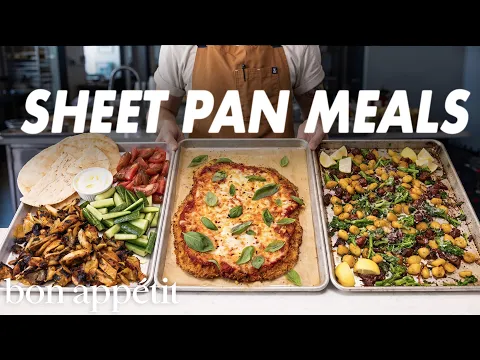
3 Sheet Pan Dinners to Make Your Week Easier | Made in House | Bon Appétit
Discover how to utilise different oven zones to perfect your sheet pan cookery, from bottom-rack oven-frying to high-heat broiling.
Cuisine
Levantine cooking — mezze, charcoal grilling, tahini, sumac and preserved lemon — where balance of acid, fat and salt does the work.
Levantine cooking — mezze, charcoal grilling, tahini, sumac and preserved lemon — where balance of acid, fat and salt does the work.
18:25Discover how to utilise different oven zones to perfect your sheet pan cookery, from bottom-rack oven-frying to high-heat broiling.
 13:50
13:50Learn how to master the prep, marinades, and fire management required to execute a flawless, five-protein Mediterranean-inspired kebab platter.
 7:05
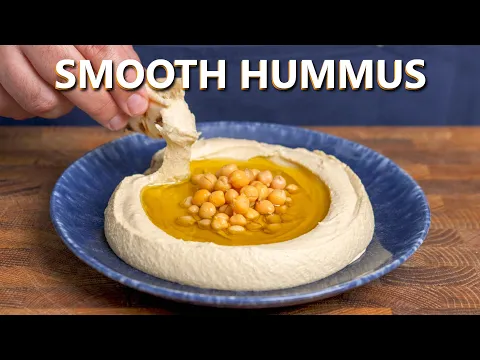
7:05Learn the professional Levantine technique for ultra-smooth hummus without peeling. Master the chemistry of alkaline boiling, ice-whipping, and stable tahini emulsification.
 9:36
9:36Discover Brian Lagerstrom's masterclass in making the ultimate one-pan shakshuka, featuring a dual-texture tomato sauce and a fool-proof oven-baking method for perfect eggs.
Shorts & reels
Sixty-second clips — one idea, one trick, no preamble.
 0:13
0:13 1:06
1:06 0:25
0:25 0:43
0:43 0:29
0:29 0:54
0:54 0:16
0:16 2:33
2:33Questions from the pass
Levantine cooking originates from the Eastern Mediterranean, including Lebanon, Syria, Jordan, Palestine, Israel, and parts of southern Turkey. The culinary style focuses on mezze, charcoal-grilled meats, and flatbreads. It relies heavily on olive oil, lemon, garlic, tahini, and spices like sumac and za'atar to balance rich fats with sharp acidity.
Tahini seizes when small amounts of water bind with its oil. To fix or prevent this, slowly whisk ice-cold water into the sesame paste. Start with a 1:1 ratio of tahini to cold water, whisking vigorously. It will first tighten, then emulsify into a smooth, pale, pourable sauce. Add lemon juice last to maintain stability.
Sumac adds a sharp, fruity acidity similar to lemon juice, but without adding liquid. Use it raw as a finishing spice on fattoush salad, hummus, or sliced onions. For hot dishes, rub it onto lamb skewers or chicken musakhan before roasting or grilling over charcoal at high heat to balance the rendered fat.
For most Levantine dishes, discard the flesh and seeds, which are overly salty and bitter. Rinse the rind thoroughly under cold water to remove excess brine, then finely dice or julienne it. Use the rind to cut through fat in fish marinades, tahini dressings, or grain salads like freekeh.
Work the minced lamb with 20% fat and 2% salt until the proteins emulsify into a tacky paste; chill for two hours before shaping. Grill over direct, grey-ashed charcoal at roughly 230°C. Sear for two minutes without moving to form a crust, then turn frequently. Total cooking time is six to eight minutes.
The library is just the prep work
A free account on The Chef's Circle app gets you a professional portfolio, a way in with chefs and kitchens across our 1.6 million-strong following, and a cut of the ad revenue on the content you make.