Cuisine

Taiwanese

Taiwanese food: braised master stocks, night-market frying and rice bowls built on soy, five spice and rock sugar. Comfort with real technique behind it.

Taiwanese food: braised master stocks, night-market frying and rice bowls built on soy, five spice and rock sugar. Comfort with real technique behind it.

Shorts & reels

Quick hits from the pass

Sixty-second clips — one idea, one trick, no preamble.

Questions from the pass

Taiwanese: frequently asked

What is the base for Taiwanese red braising liquid?

The base for Taiwanese red braising (Hong Shao) relies on a ratio of light to dark soy sauce, Shaoxing wine, and rock sugar—typically 4:1:2:2. Infuse this with star anise, cassia, fennel, Sichuan peppercorn, and clove, alongside smashed ginger, garlic, and scallions. Simmer meats like pork belly gently at 85°C to 90°C for two hours until gelatinous.

How do you get the correct texture in Taiwanese lu rou fan?

Avoid minced pork; hand-cut skin-on pork belly into small strips, about 1cm by 3cm. Render the fat slowly, then braise with fried shallots, soy sauce, five-spice powder, and rock sugar. The collagen from the pork skin melts during a low two-hour simmer, creating a thick, sticky gravy that coats the lips without needing cornflour thickeners.

What makes Taiwanese night-market fried chicken so crispy?

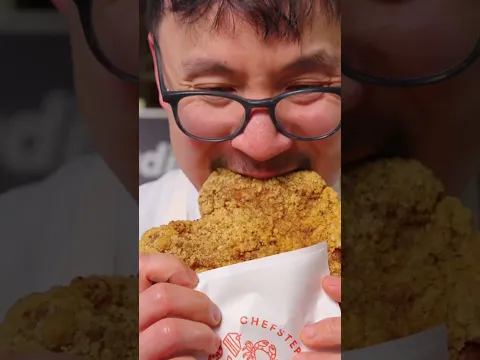
The crunch comes from coarse sweet potato starch rather than wheat flour. Marinate chicken breast or thigh in soy, five-spice, garlic, and rice wine. Dredge in the coarse starch and let it hydrate for five minutes before deep-frying at 180°C. Finish with a heavy dusting of white pepper, salt, and chilli powder.

Which beef cuts work best for Taiwanese beef noodle soup?

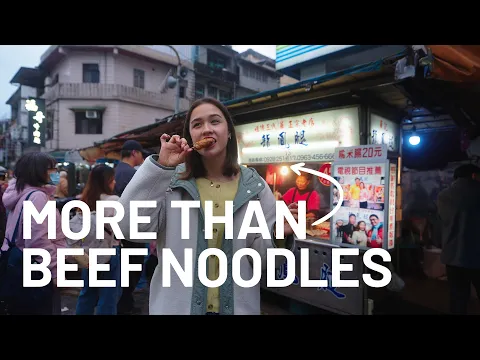
Use beef shin with high connective tissue, or a mix of shin and tendon. Sear the meat, then braise for three to four hours in a broth of beef bones, fermented spicy bean paste (doubanjiang), soy sauce, rock sugar, and aromatics. The collagen breaks down, giving the broth its signature body and rich mouthfeel.

What are the traditional toppings for a Taiwanese gua bao?

A classic gua bao features slow-braised pork belly sandwiched in a steamed lotus-leaf bun. The richness is balanced by three specific toppings: sour pickled mustard greens sautéed with chilli, a generous dusting of sweetened peanut powder (roasted peanuts ground with caster sugar), and fresh coriander leaves to cut through the fat.

The library is just the prep work

Step off the pass. Join the network.

A free account on The Chef's Circle app gets you a professional portfolio, a way in with chefs and kitchens across our 1.6 million-strong following, and a cut of the ad revenue on the content you make.