Best Way To Fry Chicken
15 August 2026 · 1:07 watch
Advertisement
Discover the professional techniques behind the ultimate crispy fried chicken. The chefs at Fallow share their restaurant-tested methods for brining, coating, and frying to perfection.
Key takeaways
- Wet brining is essential to lock in moisture and season the chicken deep to the bone.
- A blend of flour and starch produces a lighter, crispier crust than wheat flour alone.
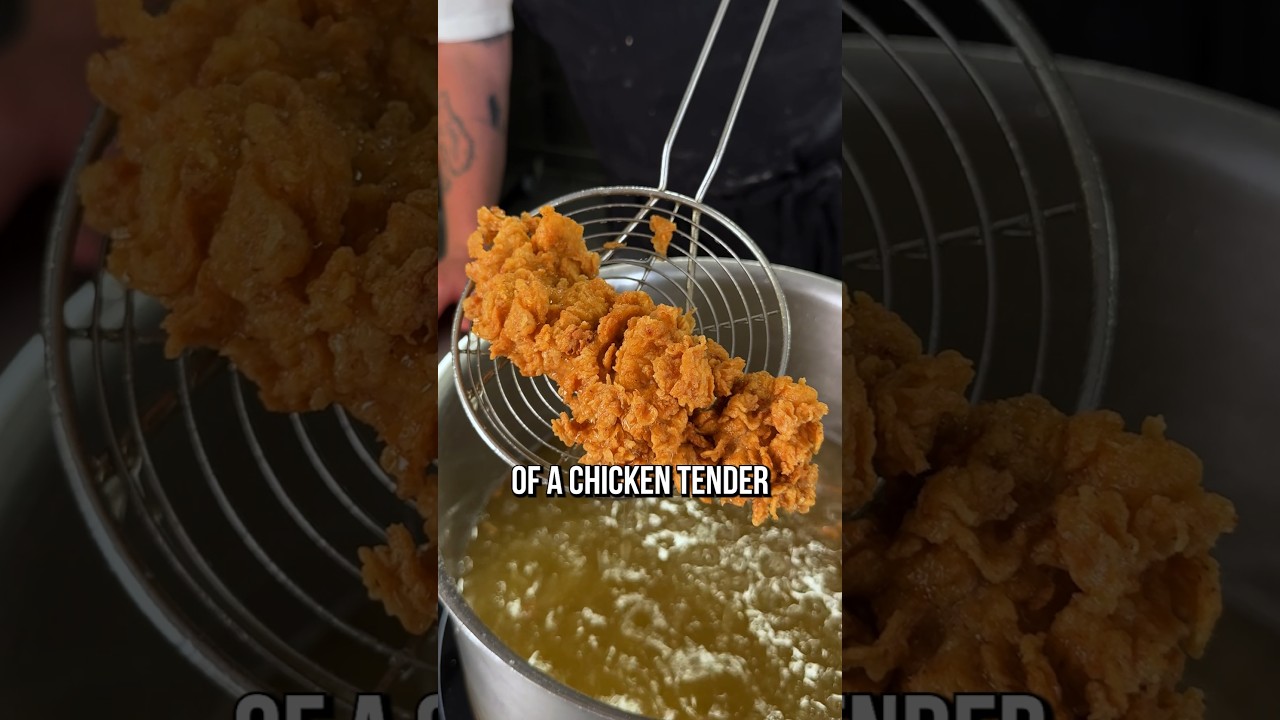
- Work the wet dredge into the dry coating to build textured, flaky ridges on the surface.
- Fry in controlled batches to prevent the oil temperature from dropping and causing greasiness.
- Rest fried chicken on a wire rack to allow steam to escape and preserve the crispy texture.
Lifting a Classic: The Fallow Way
Frying chicken is a fundamental culinary skill, but lifting it to professional restaurant-grade perfection requires a deep understanding of texture, moisture retention, and seasoning. In this masterclass, the chefs at London’s acclaimed Fallow restaurant break down their definitive approach to achieving the ultimate crispy fried chicken. Moving away from standard, heavy batters that mask the protein, their focus shifts to a technique that highlights the natural quality of the poultry while ensuring a shatteringly crisp exterior and a succulent, deeply seasoned interior.
The Science of Crunch and Moisture
A stellar fried chicken relies on two core pillars: preparation and coating. The chefs advocate for a thorough brining process before any cooking begins. This step is non-negotiable for professional kitchens; it not only seasons the meat deep to the bone but also restructures the poultry proteins to lock in moisture during the high-heat frying process.
When it is time to coat, the secret lies in the starch balance. Using a blend of flour and starches, such as cornflour or potato starch, creates a lighter barrier that absorbs less oil and fries up significantly crispier than standard wheat flour alone. Working the wet dredge into the dry coating ensures those coveted irregular, flaky ridges that trap sauces and deliver maximum crunch.
Precision Frying and Service
Temperature control during the fry is critical. Frying at too low a temperature leads to greasy, sodden chicken, while too high a heat burns the coating before the interior is safely cooked. The chefs demonstrate the importance of frying in batches to maintain a consistent oil temperature, preventing the oil from dropping too rapidly. Finally, resting the chicken on a wire rack immediately after frying—rather than flat on paper towels—allows air to circulate. This prevents trapped steam from softening the crust, ensuring that signature crunch remains perfectly intact all the way to the pass.
Questions from the pass
Frequently asked questions
Why does Fallow recommend blending starch with flour for the coating?
Blending starches like cornflour or potato starch with wheat flour reduces overall gluten development. This results in a lighter, much crispier coating that absorbs less oil during frying, avoiding the heavy, doughy texture often associated with standard flour coatings in professional kitchens.
How does brining benefit the chicken before frying?
Brining seasons the chicken throughout the meat rather than just on the surface. It also helps break down some of the muscle fibres, allowing the poultry to retain its natural juices and stay exceptionally tender and juicy during the high-heat frying process.
What is the best way to rest chicken after frying?
You should always rest fried chicken on a wire rack placed over a baking sheet. Avoid resting it on flat paper towels, as this traps steam underneath the chicken, which quickly softens the crispy crust and ruins the texture before service.
Why is batch frying so important for fried chicken?
Batch frying prevents the temperature of your frying oil from dropping too low. Overcrowding the deep fryer or pan cools the oil rapidly, which leads to the coating absorbing excess oil and becoming greasy rather than crispy and perfectly golden.
Original video by Fallow Restaurant. This overview is written independently by The Chef's Circle editorial desk — watch the original on YouTube.