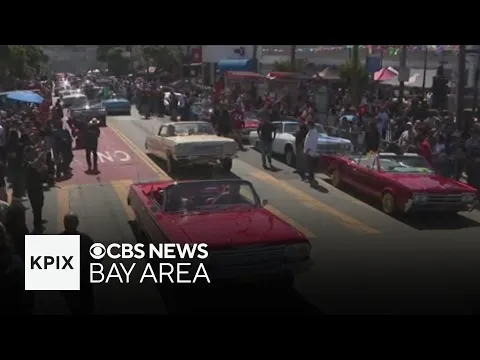
San Francisco Lowrider Parade rolls through Mission District | King of the Streets 2026
20 September 2026 · 184:10 watch
Advertisement
Discover how the 2nd Annual King of the Streets Lowrider Parade in San Francisco's Mission District serves as a blueprint for community engagement, high-volume prep, and street-level culinary strategy.
Key takeaways
- Leverage massive local footfall by adapting kitchen operations to rapid-service, high-volume street formats.
- Respect and integrate regional Chicano heritage into menus to build strong ties with the community.
- Streamline kitchen prep specifically for parade times to handle sudden surges in customer demand.
- Collaborate with event organisers and local purveyors to ensure smooth service and authentic ingredient sourcing.
Understanding Chicano Heritage and Community Footfall
For chefs operating in vibrant metropolitan areas, major cultural events like the King of the Streets Lowrider Parade in San Francisco's Mission District offer a masterclass in community engagement. Organised by the San Francisco Lowrider Council, the annual event brings thousands of spectators directly onto the streets, showcasing the deep-seated Chicano heritage, community art, and automotive craftsmanship of Northern California. For local food operators and neighborhood restaurateurs, these high-footfall events represent a massive opportunity, requiring a strategic approach to menu planning, rapid service execution, and genuine community integration.
Integrating a restaurant or food stall into such a culturally significant event requires more than just setting up a temporary pavement grillGrillTo cook using direct radiant heat.. It demands a thorough understanding of the local demographic and a deep respect for the history of the Mission District. Celebrating this heritage through thoughtful, street-friendly culinary offerings allows kitchens to connect directly with the community while managing the high volumes of a fast-moving festival crowd.
Executing High-Volume Street Service and Prep
When thousands of attendees gather for events featuring custom car shows and hydraulic hopping competitions, local kitchens must adapt their operations to survive the rush. The key to successful service during major street parades lies in streamlined, prep-heavy menus. Chefs should focus on portable, high-quality street food that requires minimal finishing on the pass. This keeps ticket times low, ensures food safety, and prevents long queues from stalling operations during peak festival hours.
Preparing for a massive influx of foot traffic means prepping components well in advance and ensuring that assembly lines are optimised for speed. Just as the lowriders show off meticulous craftsmanship and technical precision, the food served must reflect high standards, even when executed at speed. By aligning kitchen preparation with the timing of the parade, operators can maximise revenue and build lasting goodwill within the local community.
Collaborating with Local Communities
Success during these large-scale celebrations also relies heavily on collaboration. Smart kitchen managers work alongside neighborhood organisers to understand street closures, peak parade times, and safety regulations. Engaging with local purveyors to source regional ingredients not only supports the local economy but also adds a layer of authenticity to the menu, helping your establishment stand out as an active participant in the community's cultural fabric.
Questions from the pass
Frequently asked questions
How do large cultural parades affect nearby food businesses?
Large-scale cultural events generate substantial foot traffic, creating immediate opportunities for local food businesses. To capture this market, kitchens should adapt their offerings to quick-service, portable formats that spectators can easily consume while standing or walking along the parade route.
What is the best menu strategy for street festival service?
Focus on high-quality, prep-heavy dishes that require minimal assembly at the point of sale. Street food classics such as tacos, tostadas, and grilled skewers work well because they can be assembled rapidly, ensuring fast ticket times during peak parade rushes.
How can chefs ensure their menus respect local heritage during cultural events?
Chefs should research the specific history of the community, such as Chicano culture in the Mission District, and source regional ingredients from local suppliers. Authentic, well-crafted dishes show respect for the neighborhood's identity and help build long-term local loyalty.
How should a kitchen prepare operationally for sudden parade crowds?
Streamline prep schedules so that the majority of work is completed before the parade begins, cross-train staff on high-speed service lines, and adjust inventory orders based on expected crowd sizes. Proper planning prevents bottlenecks and ensures consistent food quality.
Original video by KPIX | CBS NEWS BAY AREA. This overview is written independently by The Chef's Circle editorial desk — watch the original on YouTube.
Keep reading
Related from the Community
 13:13
13:13Watch: Mexican Navy tall ship ARM Cuauhtémoc (BE-01) sails into San Francisco on goodwill visit
 1:11
1:11RECIPES ⬇️ Santiago Lastra's Mexican Soul #mexicanfood #chef #recipe #cookbook #cooking#food #shorts
 40:59
40:5910 Levels of Nachos | With Babish
 1:01
1:01RECIPE⬇️ Santiago Latra's Potato masa tortillas #mexicanfood #chef #tortilla #recipe #cooking #food
 0:50
0:50RECIPE ⬇️ Santiago Lastra's Oaxaca Cheese #mexicanfood #chef #london #oaxaca #cheese #mozzarella
 3:44
3:44