How to Make Easy Spanish Paella | Allrecipes
15 August 2026 · 6:29 watch
Advertisement
Discover how to master a simplified, one-pan Spanish paella. This professional overview breaks down the essential techniques of fat rendering, rice toasting, and perfect seafood timing.
Key takeaways
- Render seasoned fat from the chicken and chorizo first to establish a highly flavoured cooking base for the aromatics.
- Utilise short-grain rice and toast it in the rendered fats before adding liquid to secure the correct texture and bite.
- Avoid stirring the rice once the stock is added to prevent releasing excess starch and making the dish gummy.
- Incorporate delicate seafood in the final minutes of cooking to steam gently and avoid a rubbery texture.
Paella represents the pinnacle of rustic Spanish one-pot cookery, celebrated for its complex layers of flavour and communal appeal. In this demonstration, the Allrecipes test kitchen breaks down the anatomy of a simplified Spanish paella, offering culinary professionals an efficient blueprint for adapting this classic dish to high-volume catering or casual dining settings. Learn the key sequences to build deep, authentic flavours without overcomplicating the service line.
Building the Flavour Profile
The recipe begins with the crucial step of marinating the chicken, ensuring the protein carries deep seasoning before it hits the pan. To build a robust foundation, the chef browns the marinated chicken alongside spicy chorizo. This initial searSearTo expose food to high heat to develop a browned exterior. serves a dual purpose: it partially cooks the meats while releasing highly seasoned rendered fat into the pan. This fat becomes the primary medium for sautéSautéTo cook food quickly in a small amount of fat over relatively high heat.ing the aromaticsAromaticsIngredients such as onions, garlic, celery, herbs and spices used to build flavour in a dish. and coating the rice, ensuring every grain is infused with savoury depth and rich colour right from the outset.
Rice Selection and Cooking Technique
A successful paella hinges entirely on the treatment of the starch. The video emphasises the use of short-grain rice, which is essential for achieving the signature bite. Unlike long-grain varieties, short-grain rice releases just enough starch to create a pleasing texture while retaining its structural integrity under heat. The chef highlights the importance of letting the rice toast slightly in the rendered fats before introducing the warm, saffron-infused liquid. Once the liquid is added, the pan is left to simmer, allowing the rice to absorb the stockStockA liquid made by simmering bones, meat, fish, vegetables or aromatics. evenly without constant stirring, which would release too much starch and turn the dish gummy.
Seafood Timing and Customisation
One of the most common pitfalls in paella preparation is overcooking delicate seafood. This technique addresses this by introducing the shrimp only during the final minutes of cooking, gently steaming them on top of the rice bed until just pink and tender. This modular approach makes the recipe highly customisable for commercial kitchens, allowing chefs to easily scale or swap proteins, incorporating mussels, scallops, or calamari based on seasonal availability and ingredient margins. By understanding these fundamental stages—fat rendering, rice toasting, undisturbed simmering, and late-stage steaming—chefs can easily replicate authentic results, delivering a vibrant, crowd-pleasing dish that maximises kitchen efficiency.
Questions from the pass
Frequently asked questions
Why is short-grain rice preferred for paella?
Short-grain rice is preferred because it absorbs liquid exceptionally well while keeping its structural integrity. Unlike long-grain varieties, it provides the correct balance of starch to create a slightly creamy texture without becoming mushy or sticking together too heavily, which is crucial for a traditional bite.
How do you prevent seafood from overcooking in a one-pan paella?
To prevent seafood from overcooking, nestle it into the rice during the final minutes of the cooking process. Steaming the seafood gently on top of the hot rice bed ensures it cooks through to a tender texture without becoming rubbery from prolonged exposure to high heat.
Can other proteins be substituted or added to this recipe?
Yes, this paella formula is highly customisable for professional menus. While this version utilises chicken, chorizo, and shrimp, you can easily adapt the protein selection to include mussels, clams, scallops, or squid, adjusting their addition times based on their specific cooking requirements.
Why are the chicken and chorizo cooked before the rice is added?
Cooking the meats first renders out highly seasoned fat and caramelises the surface of the proteins. This rendered fat serves as the flavour base for sautéing the aromatics and toasting the rice, embedding a deep, savoury foundation throughout the entire dish before liquid is introduced.
Original video by Allrecipes. This overview is written independently by The Chef's Circle editorial desk — watch the original on YouTube.
Keep reading
Related from the Community
 6:46
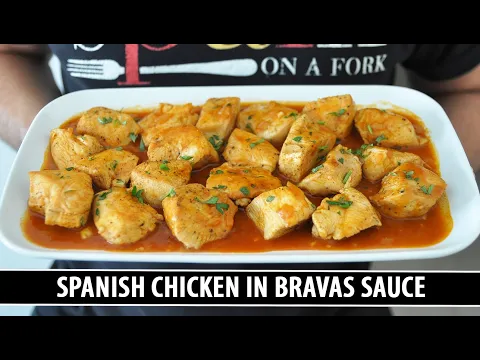
6:46Spanish Chicken in Bravas Sauce | Crazy Delicious One-Pan Recipe
 17:06
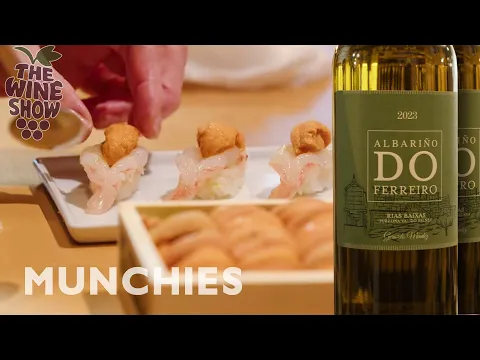
17:06The Best White Wine You've Never Heard Of: Albariño | The Wine Show
 10:49
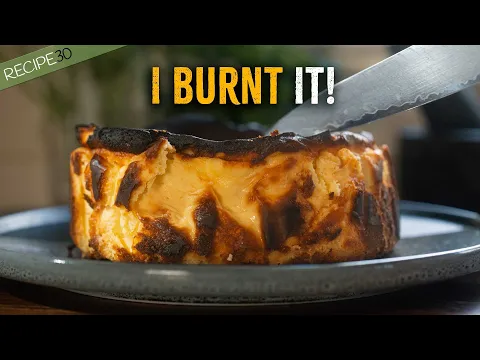
10:49The Cheesecake You're Supposed To Burn
 0:19
0:19The Best White Wine You've NEVER Heard Of! #wine #whitewine
 1:07
1:07Is frying iberico a crime? 👀📝 #spanish #sandwich #iberico #cookingfromspain
 7:32
7:32