 6:46
6:46Spain on a Fork
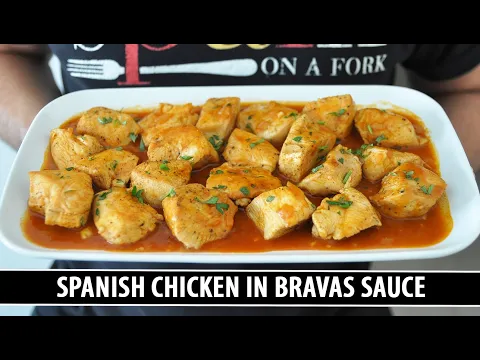
Spanish Chicken in Bravas Sauce | Crazy Delicious One-Pan Recipe
Learn how to adapt Spain's iconic salsa brava into a rich, smoky pan-sauce for chicken in this practical, one-pan kitchen guide.
Cuisine
From regional peasant cooking to high-end modernist techniques, explore the raw ingredients, wood-fired methods, and regional traditions that define Spanish cuisine.
Spanish cooking spans a massive spectrum, from the rustic, fire-led traditions of the Basque country to the precision-focused avant-garde kitchens of Catalonia. At its core, this cuisine relies on a deep respect for raw ingredients, heavily driven by regional microclimates, coastal catches, and cured meats. For a UK kitchen, understanding Spanish food means looking past cheap tapas stereotypes and focusing on the meticulous balance of olive oil, garlic, pimentón, and vinegar.
Success lies in mastering fundamental techniques and avoiding common pitfalls. Over-handling rice in a paella destroys the starch structure; you need a gentle simmer to achieve a proper socarrat crust. Knowing how to emulsify a pil-pil sauce using the natural gelatin from cod skins, or balancing the acidity in a cold gazpacho, requires precision. Sourcing is also critical. Substituting cheap alternatives for Iberico pork or DOP saffron ruins the integrity of these regional dishes.
Here, we gather practical guides, technical deep-dives, and menu inspiration. You will find breakdowns of classic tapas, modern plating styles, and wood-fire grilling techniques to adapt for your own service.
6:46Learn how to adapt Spain's iconic salsa brava into a rich, smoky pan-sauce for chicken in this practical, one-pan kitchen guide.
 17:06
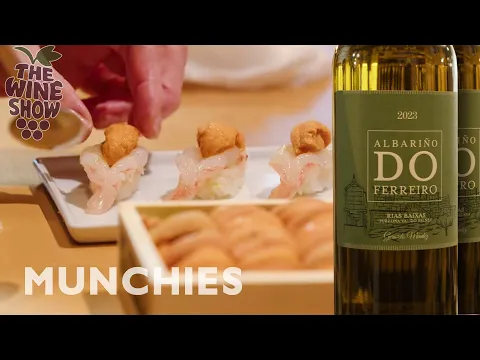
17:06Master Sommelier Jonathan Eichholz explores the high-acid, saline profile of Albariño wine and demonstrates why this Atlantic grape is the ultimate pairing partner for Japanese sushi and omakase menus.
 10:49
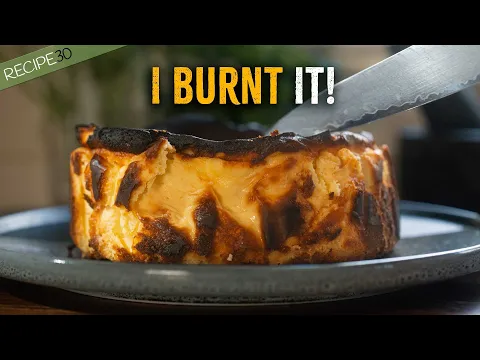
10:49Ditch the water bath and the biscuit base. Discover how to master the Basque burnt cheesecake, utilising high-heat caramelisation to create a rich, custardy centre balanced by a smoky, blistered top.
 7:32
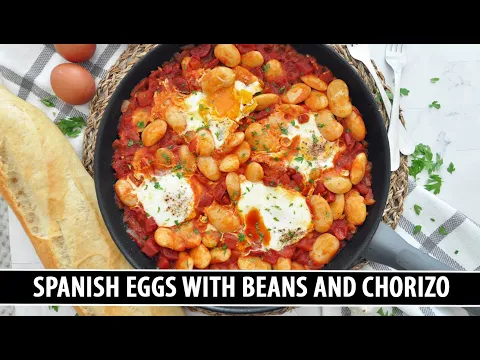
7:32A quick, punchy guide to executing a classic Spanish breakfast skillet, bringing together rich chorizo, creamy butter beans, and perfectly set poached eggs in under 20 minutes.
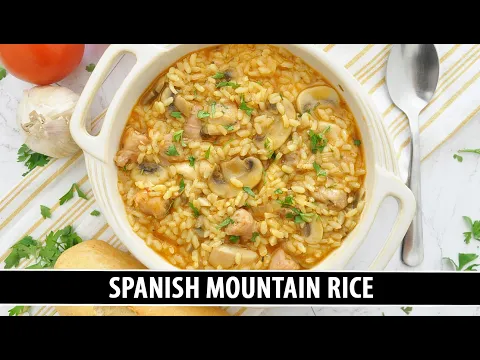 7:32
7:32Discover the rustic depth of Arroz de Montaña, Spain's traditional mountain rice. Learn how to build a rich protein fond, slow-cook a jammy sofrito, and toast Spanish round rice for perfect texture and deep, land-driven flavour.
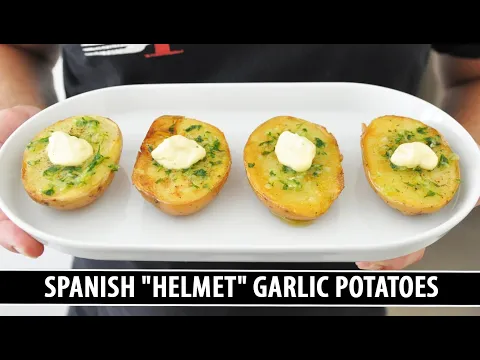 7:11
7:11Learn the professional technique for Cascos de Patatas, the traditional Spanish "helmet" garlic potatoes. This guide breaks down the geometry of the wedge cut, oil temperature control, and the precise timing needed to bloom pimentón and garlic without bitterness.
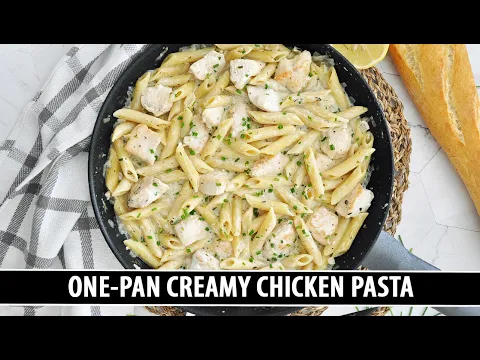 7:15
7:15Discover how to execute a flawless, one-pan creamy chicken pasta using a starch-emulsification technique and a split-free Greek yogurt sauce base.
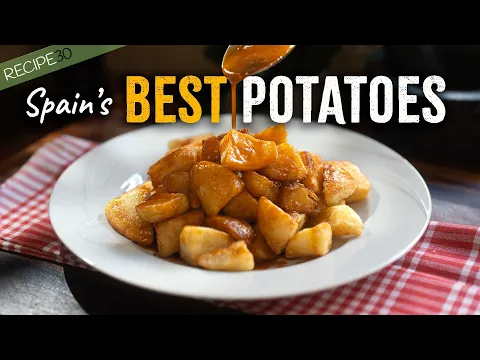 12:52
12:52Discover the secrets of authentic Madrid-style Patatas Bravas. Learn why the crucial steam-drying phase and double-fry technique deliver a perfect crunch, paired with a classic tomato-free pimentón sauce.
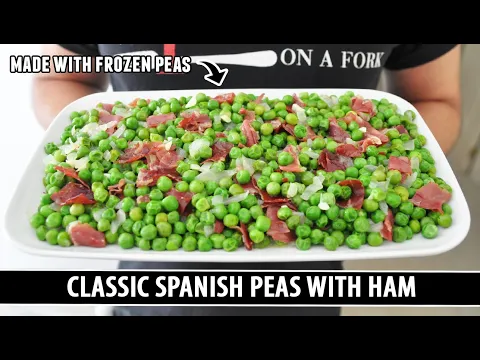 6:14
6:14Discover how to master guisantes con jamón, the classic Spanish tapas dish of sweet green peas cooked with rich cured ham, extra virgin olive oil, and sweet smoked paprika.
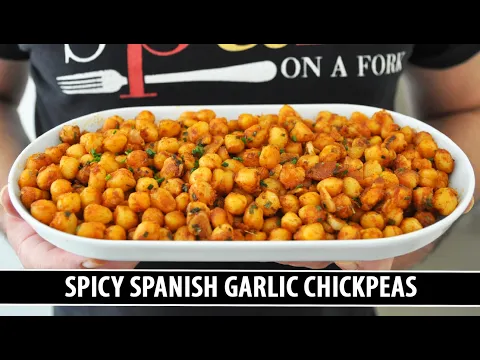 7:03
7:03Learn how to transform humble jarred chickpeas into a rapid, high-margin Spanish tapa. Master the art of blooming smoked paprika and infusing garlic in extra virgin olive oil without risking bitterness.
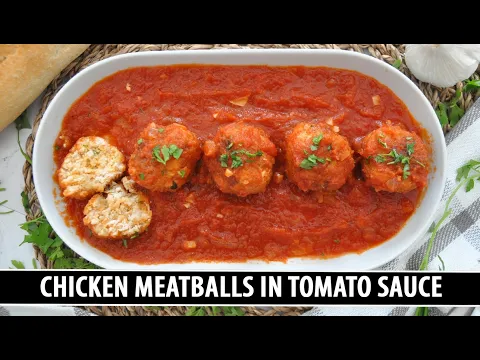 9:34
9:34Learn how to prepare succulent Spanish chicken meatballs (albóndigas de pollo) in a rich tomato sauce. This professional guide covers the essentials of grinding chicken breast, blooming smoked paprika, and utilising a two-stage sear-and-braise technique.
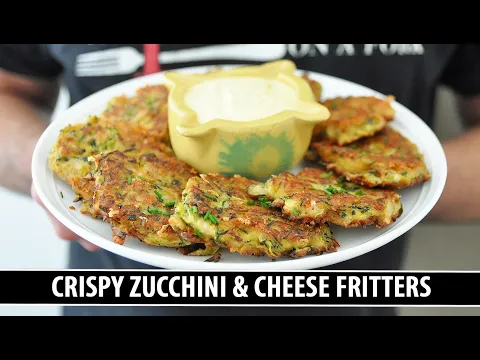 7:56
7:56Master the art of Spanish-style zucchini and cheese fritters. Learn the essential moisture-control techniques and frying principles required to achieve a shattering, crispy crust on the line.
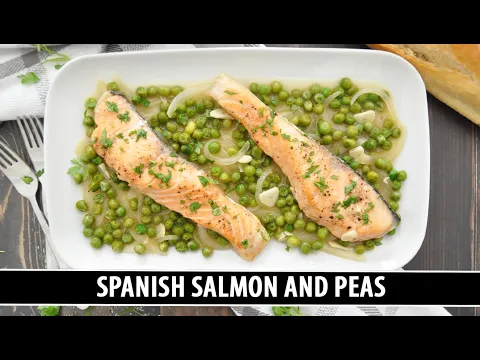 7:01
7:01Master the art of classic Spanish salmon and peas with this efficient one-pan braising technique from Spain on a Fork.
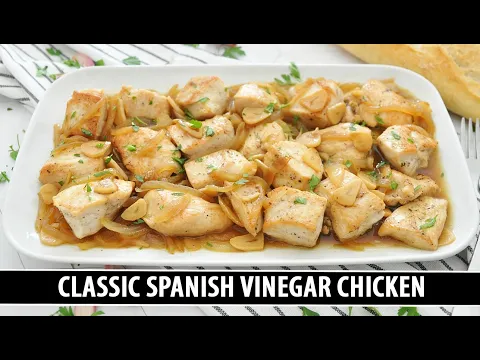 7:30
7:30Learn how to master Pollo al Vinagre de Jerez, a classic Andalusian chicken dish that balances the sharp acidity of Sherry vinegar with the warmth of sweet smoked Spanish paprika.
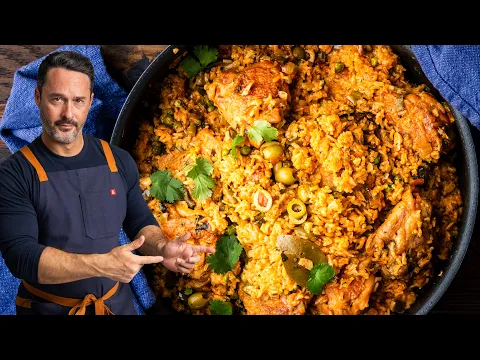 19:14
19:14Master the art of the classic one-pan Arroz con Pollo. This editorial breakdown covers starch management, heat distribution, and building a deep flavour profile using a single skillet.
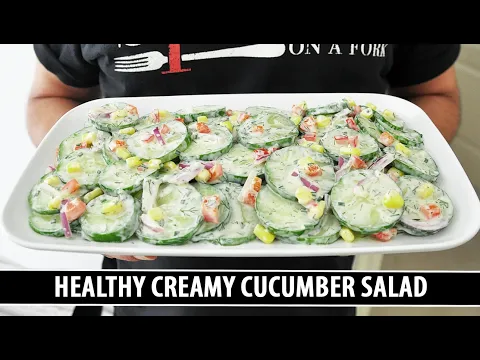 6:07
6:07Learn the essential garde-manger techniques for managing cucumber moisture and building a stable Greek yoghurt emulsion in this quick, refreshing Mediterranean side dish.
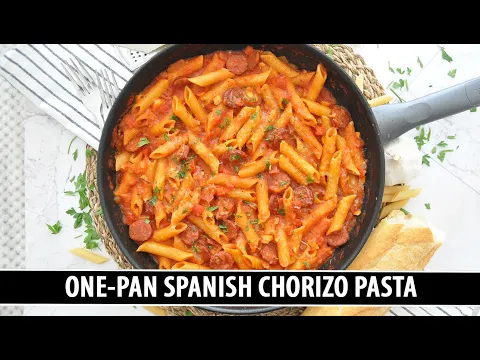 7:39
7:39Discover how cooking pasta directly in its building sauce can yield a superior emulsified coating with the Spanish classic Macarrones con Chorizo.
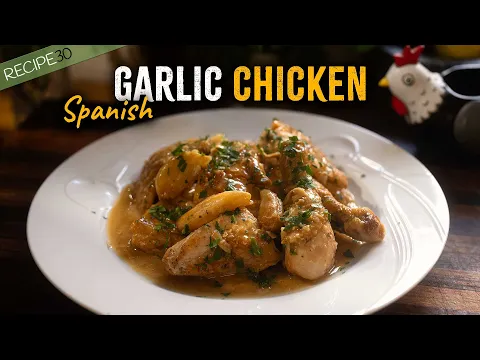 13:51
13:51Master the art of authentic Spanish Pollo al Ajillo with this smart, one-pan technique that treats a whole head of garlic two ways for ultimate flavour depth.
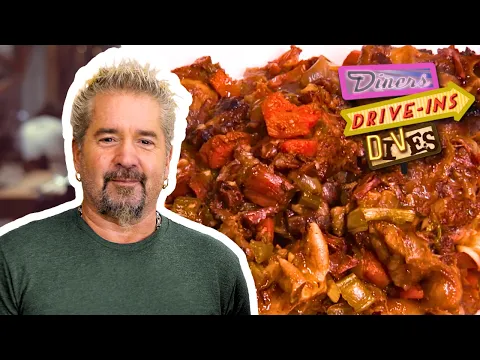 15:01
15:01Discover how Reno's Louis' Basque Corner masters the art of slow-braised oxtails, showcasing essential techniques in collagen breakdown and rich, natural sauce reduction.
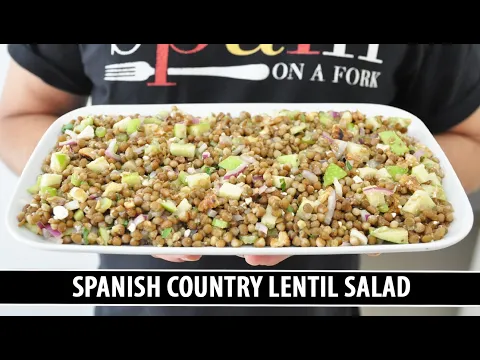 5:52
5:52Learn how to build a high-margin, fast-assembly Spanish country lentil salad using pantry staples. This 10-minute recipe combines earthy brown lentils with crisp apple, toasted walnuts, and a smoky Arbequina olive oil dressing for maximum textural contrast.
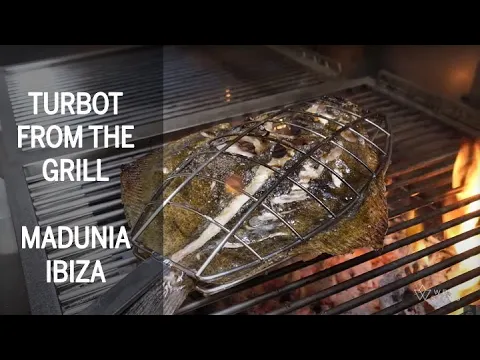 8:48
8:48Discover how Madunia in Ibiza masters live-fire cookery with whole turbot. Learn the professional techniques for heat zone management and bone-on grilling on the open hearth.
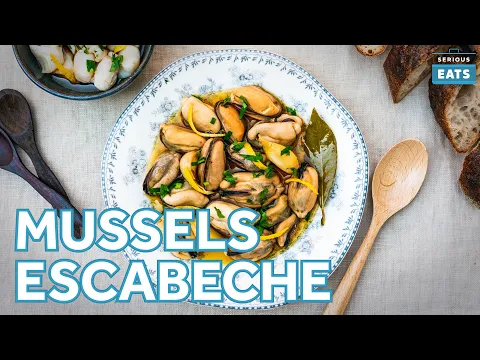 10:43
10:43Learn how to master the classic Spanish technique of mussels escabeche with contributor Jenny Dorsey and Catalonian chef Sergi de Meià.
 14:12
14:12Step inside Madrid's rebellious three-Michelin-starred powerhouse DiverXO. Discover how Chef Dabiz Muñoz tear up the fine dining rulebook with avant-garde techniques, intense global flavours, and theatrical service.
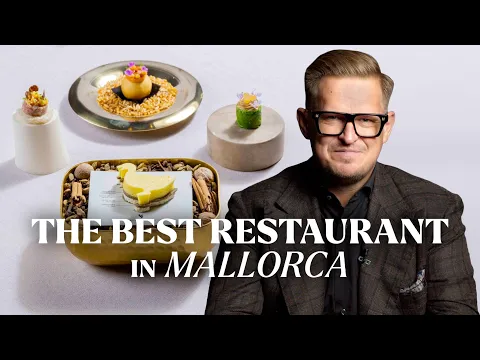 18:41
18:41An editorial analysis of VORO, Mallorca's exclusive two-Michelin-starred establishment. We unpack Chef Álvaro Salazar's approach to modernist Mediterranean cuisine and hotel-based operational excellence.
 5:44
5:44Discover how Michelin-starred chef Tom Kerridge adapts the classic Spanish paella into a fast, streamlined dish ideal for high-volume pub menus and casual dining formats.
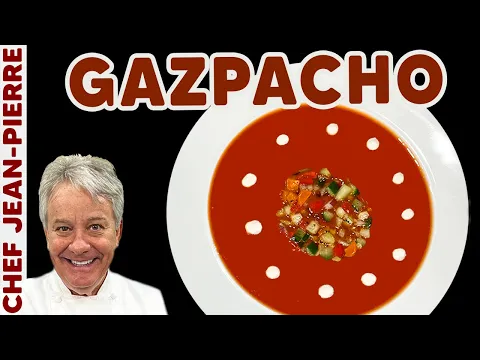 8:37
8:37Master the art of Andalusian gazpacho with Chef Jean-Pierre’s professional guide to balancing acidity, achieving emulsification, and delivering perfect texture contrast.
 13:56
13:56A Michelin-starred peer offers a refreshing, critical perspective on Asador Etxebarri, the world's renowned wood-fired restaurant, analysing the technical realities behind the culinary hype.
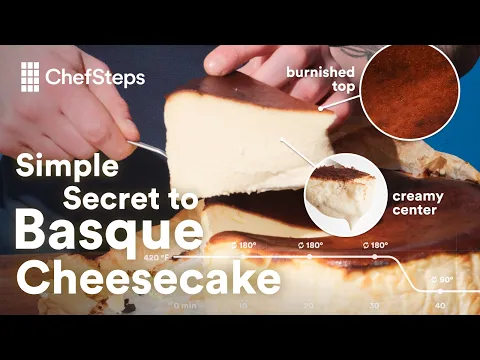 17:23
17:23Master the technical keys to the perfect Basque cheesecake with ChefSteps. Learn how batter resting, a two-stage bake, and carryover cooking deliver a burnished top and custardy centre.
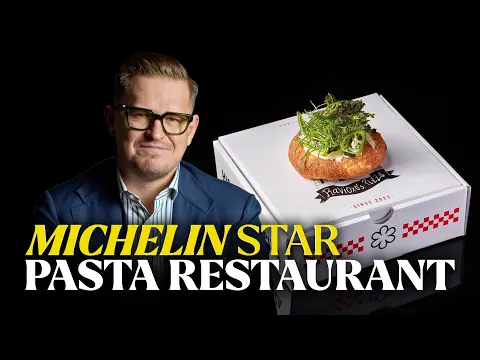 10:40
10:40An editorial review of Dabiz Muñoz's Michelin-starred RavioXO in Madrid, examining how the three-time World’s Best Chef dismantles and rebuilds the concept of pasta through a hyper-creative, global lens.
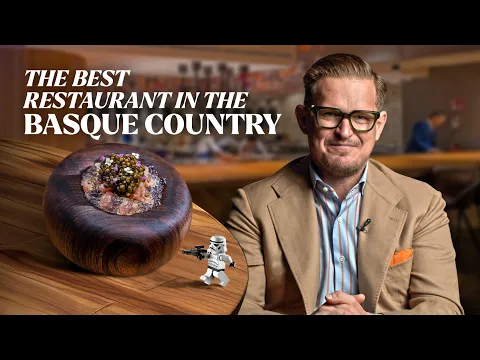 16:40
16:40Discover how Chef Paulo Airaudo merges Italian heritage with Basque ingredients at the two-Michelin-starred Amelia in San Sebastián, creating a masterclass in cross-cultural fine dining.
Shorts & reels
Sixty-second clips — one idea, one trick, no preamble.
 0:19
0:19 1:07
1:07 0:32
0:32 1:06
1:06 1:02
1:02 0:12
0:12 0:35
0:35 0:25
0:25 1:02
1:02 0:17
0:17 0:49
0:49 0:10
0:10 1:40
1:40Questions from the pass
Use Bomba rice, which absorbs three times its volume in liquid. For a traditional paella, the ratio is 1 part rice to 3 parts stock by volume. Cook on high heat for 8 minutes to distribute the rice, then simmer for 10 minutes without stirring to form the caramelised socarrat crust on the bottom.
Freeze raw octopus first to break down muscle fibres. Defrost, then dip three times into boiling salted water to curl the tentacles before submerging completely. Simmer gently at 90°C for 40 to 45 minutes per kilo until tender. Rest in the cooking liquid for 20 minutes, slice, and dress with sea salt, pimentón, and olive oil.
Classic croquetas de jamón require a heavy, stable béchamel. Use a ratio of 100g butter, 100g plain flour, and 1 litre of whole milk. Cook the roux for 5 minutes, slowly whisk in warm milk, then fold in serrano ham. Chill the mixture for at least 4 hours at 4°C to set before shaping and frying at 180°C.
While French crème brûlée uses cream, vanilla, and a water bath, Catalan cream is milk-based, thickened with cornflour and egg yolks, and flavoured with cinnamon and lemon peel. Cook it on the stovetop rather than baking it. Once chilled, caramelise the sugar top using a traditional hot iron plate or a blowtorch.
Bake San Sebastián cheesecake at 220°C for 30 to 35 minutes. This high heat caramelises the exterior to a dark brown while keeping the centre soft, custardy, and slightly runny. Use 1kg full-fat cream cheese, 7 eggs, 400g sugar, and 500ml double cream, and cool completely at room temperature before serving.
The library is just the prep work
A free account on The Chef's Circle app gets you a professional portfolio, a way in with chefs and kitchens across our 1.6 million-strong following, and a cut of the ad revenue on the content you make.