Shiny Chocolate Gems | Colorful Chocolate Jewel Bonbon Design
15 September 2026 · 25:56 watch
Advertisement
Master the art of high-gloss chocolate design with Brittnee Kay's professional guide to airbrushing, coloring, and molding geometric chocolate gems filled with vibrant fruit layers.
Key takeaways
- Pristine polycarbonate molds and properly tempered cocoa butter are essential for a high-gloss, flawless finish.
- Always use a dedicated spray booth and respirator mask when airbrushing cocoa butter to ensure kitchen safety.
- Dual-layered fillings require a precise headspace (1.5–2 mm) to prevent weeping and guarantee a clean seal during capping.
- Combining a sharp pâte de fruit with a creamy ganache balances texture and cuts through the sweetness of the chocolate.
Producing flawless, high-gloss chocolate bonbons requires a meticulous approach to mold preparation, temperature control, and spray technique. In this editorial guide inspired by chocolatier Brittnee Kay, we examine the production of geometric chocolate gems. These striking confections feature a dual-layered interior: a sharp pomegranate and raspberry pâte de fruit alongside a rich milk chocolate ganache of the same flavor profile, encased in a perfectly tempered, vibrant shell.\n\n## Mastering the Canvas: Mold Prep and Cocoa Butter\nThe foundation of any exceptional bonbon is a pristine polycarbonate mold. For these geometric gem shapes, cleanliness is paramount; any dust or grease will dull the final shine. Before introducing color, chefs often apply a touch of metallic gold luster dust directly to the mold to catch the light on the finished facets.\n\nDecorating these intricate molds relies on tempered cocoa butter. Working with pre-colored cocoa butters requires precise temperature management—using a heat gun and digital thermometer to keep the butter in its working window without destroying its crystal structure. An airbrush system, fitted with a suitable nozzle (such as 0.7 mm) and backed by a reliable compressor, is essential for achieving smooth, gradient splatters and solid backings. Because airborne cocoa butter is highly pervasive, always conduct this step within a dedicated spray booth while wearing an appropriate respirator mask.\n\n## Shelling, Layering, and Closing\nOnce the decorated cocoa butter layers have set in the mold, the chocolate shell is cast. Whether using milk, dark, or white chocolate, precise temperingTemperingControlled heating and cooling of ingredients, particularly chocolate, to create the desired crystalline structure. is non-negotiable to guarantee a clean release and a satisfying snap.\n\nThe interior design relies on a dual-texture strategy. First, pipe a thin layer of pomegranate raspberry pâte de fruit. This jelly layer provides acidity and structure. Once set, follow with the pomegranate raspberry milk chocolate ganache. It is critical to leave a small headspace (around 1.5 to 2 mm) at the top of the mold. This gap prevents the filling from weeping and ensures the chocolate backing can seal directly to the shell. Allow the ganache to crystallize fully in a temperature-controlled environment before capping and scraping clean with a professional stainless steel scraper.
Questions from the pass
Frequently asked questions
Why is tempered cocoa butter necessary for decorating chocolate molds?
Tempered cocoa butter ensures the colors contract slightly upon cooling, releasing cleanly from the polycarbonate mold alongside the chocolate shell. Untempered cocoa butter will stick to the mold, ruining the design and leaving a dull, smeared finish on the bonbon.
How do you safely airbrush cocoa butter in a commercial kitchen?
Safety requires using a dedicated spray booth with active filtration and wearing a high-quality respirator mask with particulate filters. Airborne cocoa butter quickly settles on surfaces and can clog lungs, making proper ventilation and personal protective equipment mandatory.
What is the benefit of using a dual-layer filling of pâte de fruit and ganache?
Using two layers contrasts textures and flavor profiles within a single bite. The pâte de fruit provides a firm, concentrated fruit acidity that cuts through the rich, creamy sweetness of the milk chocolate ganache, creating a balanced and sophisticated tasting experience.
How much headspace should be left when piping fillings into bonbon shells?
Leave approximately 1.5 to 2 millimetres of headspace at the top of each shell. This gap ensures that the capping chocolate can flow over the filling and weld directly to the outer shell, preventing leaks and guaranteeing a shelf-stable seal.
Main ingredients
Original video by Brittnee Kay. This overview is written independently by The Chef's Circle editorial desk — watch the original on YouTube.
Keep reading
Related from the Community

LIVE: Food Network Chefs' Cozy Fall Recipes 🍂 Ree Drummond, Ina Garten, Molly Yeh & More!
 0:53
0:53And things have only just begun 🤣💀
 9:41
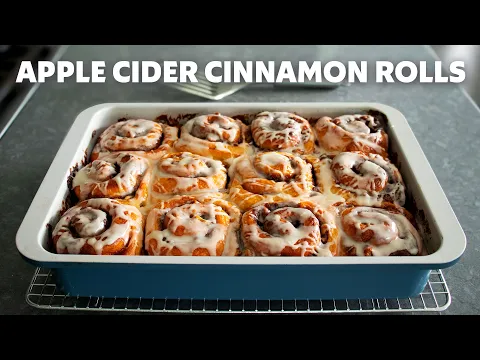
9:41Apple "Cider Bath" Cinnamon Rolls | Easy No-Knead Dough | Food Wishes
 0:17
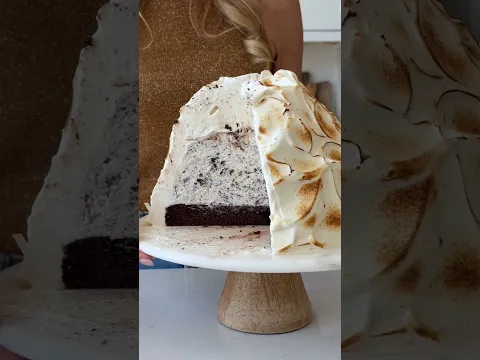
0:17Baked Alaska (My Birthday Cake)
 17:04
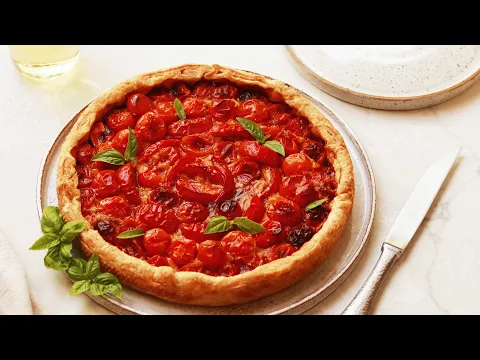
17:04Tomato Tart with Caramelized Onions and Gruyere (2.0)
 0:40
0:40