 10:03
10:03So Yummy
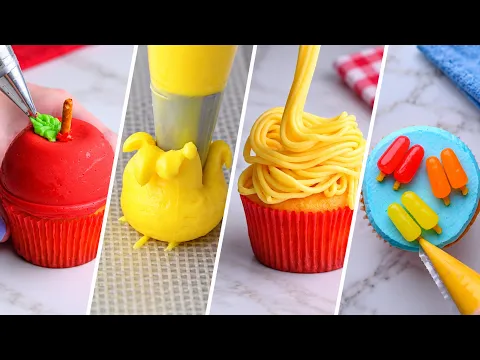
5 Dessert Illusions That Will Fool You
Explore the art of trompe-l'œil pastry with five creative dessert illusions that transform classic sweet components into convincing savory lookalikes.
Technique
Laminated doughs, naturally leavened breads, entremets, and plated desserts.
Pastry and baking demand a level of precision that sets them apart from the rest of the kitchen. While a pinch of salt can adjust a sauce, a gram off on your yeast or stabilizer can ruin an entire service. This section focuses on the strict mechanics of pastry work, from baker’s percentages and flour hydration to chocolate tempering temperatures and modern gelling agents.
Here, we cover the exact methods needed for consistent results on the line. You will find technical breakdowns of laminated doughs, naturally leavened breads, and structural entremets. We address common kitchen pitfalls like over-working gluten, fat leakage in puff pastry, and humidity control in the sugar room.
Our guides focus on the 'why' behind the chemistry, giving you the practical tools to troubleshoot under pressure. Whether you are running a high-volume bread program or designing a fine-dining plated dessert menu, these resources offer clear, chef-led guidance to keep your pastry section sharp and consistent.
10:03Explore the art of trompe-l'œil pastry with five creative dessert illusions that transform classic sweet components into convincing savory lookalikes.
 10:49
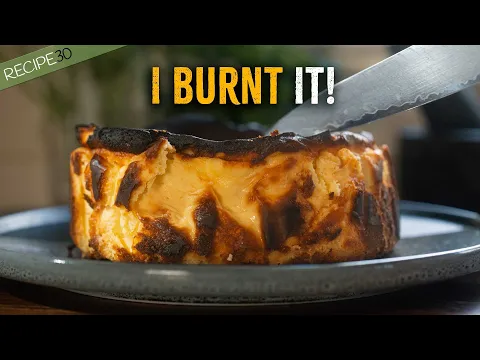
10:49Ditch the water bath and the biscuit base. Discover how to master the Basque burnt cheesecake, utilising high-heat caramelisation to create a rich, custardy centre balanced by a smoky, blistered top.
 4:34
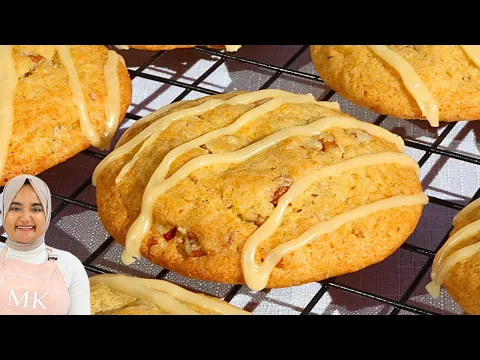
4:34Learn the professional techniques behind crafting perfectly soft and chewy maple pecan cookies, finished with a glossy, sweet maple glaze.
 9:34
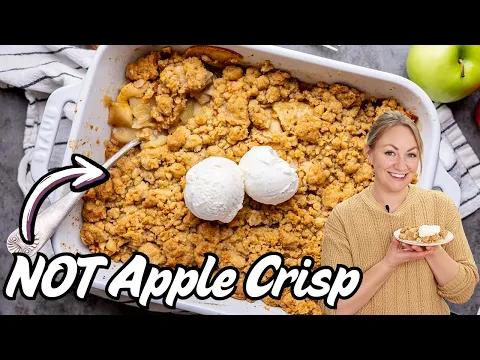
9:34Learn the key distinction between a traditional apple crumble and a crisp with this professional, oat-free recipe featuring a clumpy, melted-butter topping.
 7:57
7:57Discover how sugar transitioned from an elite, tropical luxury into a global commodity that shaped empires, and learn what its history means for modern pastry sourcing.
 28:31
28:31Discover the high-stakes techniques of competitive Neapolitan pizza making. We analyse the critical elements of dough hydration, proofing, and wood-fired oven control demonstrated by 300 elite chefs competing on the global stage.
 42:33
42:33Is premium honey worth the steep price tag in a professional kitchen? Discover when to invest in raw, single-origin honeys and when cheap sweeteners do the exact same job.
 12:18
12:18Learn how to streamline weeknight dinner service using smart assembly-line workflows, pre-baked dough bases, and efficient moisture management techniques for casseroles and bakes.
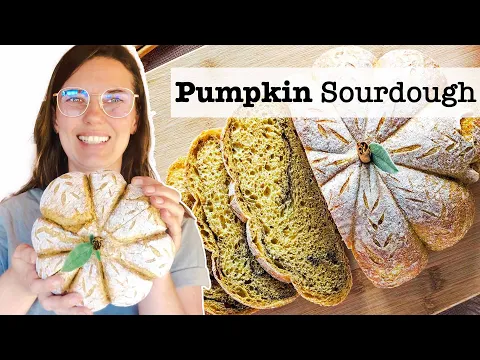 7:36
7:36A professional look at integrating pumpkin purée into sourdough baking, focusing on hydration management, preferment balance, and seasonal shaping techniques.
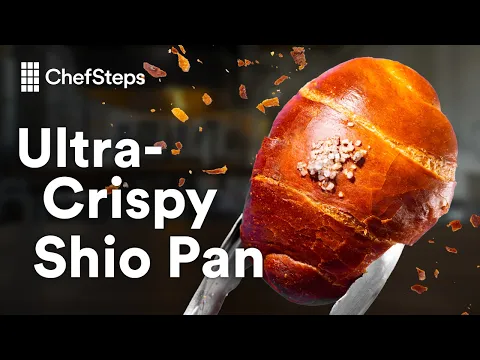 18:58
18:58Discover how ChefSteps cracks the code on Japanese salt bread (shio pan), using a tangzhong starter and a genius starch glaze to secure an ultra-crisp crust.
 7:25
7:25Discover how Molly Yeh utilizes raw, blended beetroot to create a deeply moist, structurally sound chocolate sponge balanced with citrus and espresso notes.
 16:19
16:19Discover how to slash food costs without sacrificing flavour using a clever blend of TVP, red lentils, and classic pork seasonings to mimic traditional sausage rolls.
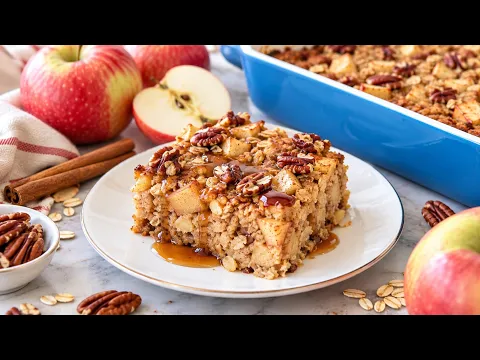 3:39
3:39An efficient, high-yield formula for apple cinnamon baked oatmeal, perfect for pre-prepped breakfast menus and buffet lines.
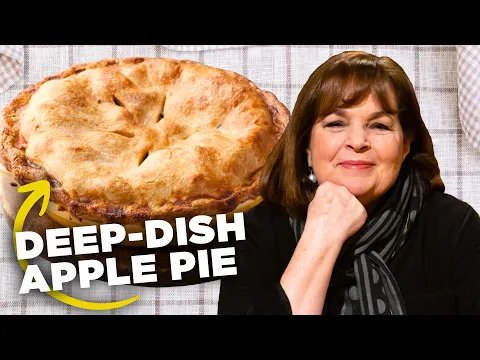 17:53
17:53A professional breakdown of Ina Garten's deep-dish apple pie, focusing on pastry lamination techniques, moisture control in high-volume fruit fillings, and structural assembly.
 8:29
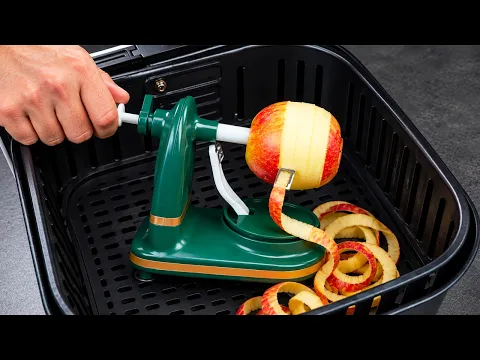
8:29An editorial analysis of how to execute a fast, high-margin apple and puff pastry dessert utilizing the air fryer, focusing on temperature control and moisture balance.
 9:07
9:07Go inside the kitchen of Bouchon Racine in London with chef Henry Harris to explore the classical French techniques behind their famous calves' brains, chicken liver pâté, and highly demanded crème caramel.
 5:54
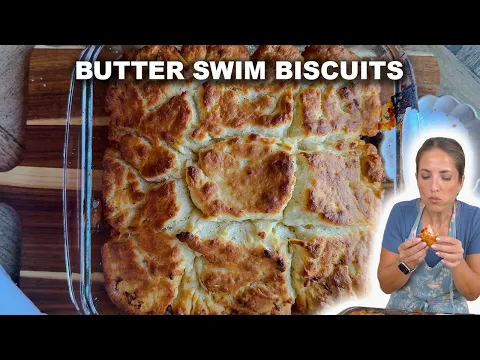
5:54Discover the high-hydration, low-labour butter swim biscuit technique that guarantees crispy, butter-fried edges and a soft interior with zero dough-rolling required.
 16:31
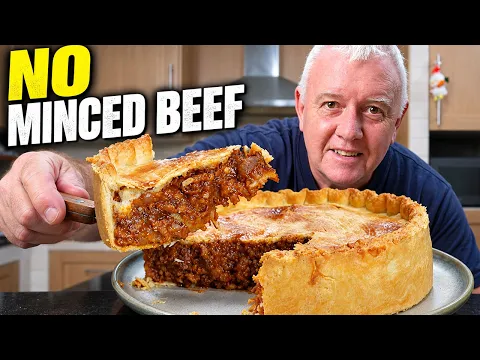
16:31A professional guide to replicating a classic British mince and onion pie using an affordable, high-margin blend of red lentils, TVP, and mushrooms.
 15:20
15:20Learn the professional techniques behind bakery-style blueberry crumb muffins with Danielle Sepsy. Discover how resting the batter, using frozen berries, and incorporating sour cream ensures the perfect rise and moist texture.
 8:02
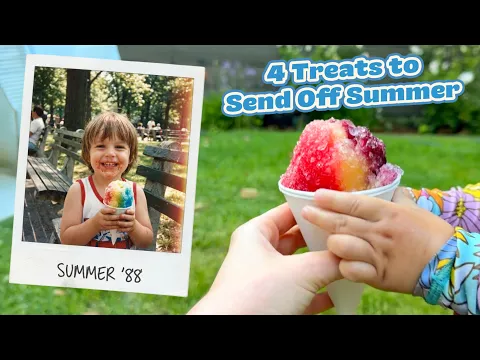
8:02Discover how to scale up nostalgic summer classics for professional events. Learn the essential confectionery and baking techniques behind scratch-made marshmallows, fresh fruit snow-cone syrups, and fire-cooked pizza-sandwiches.
 4:39
4:39Discover how to transform standard sugar cookies into high-impact, interactive dessert displays using advanced royal icing techniques, structural baking methods, and playful presentation concepts.
 24:33
24:33Transform sweet Hawaiian rolls into rapid-prep menu items. Learn professional techniques for adapting this enriched dough for savory sliders, stuffed bar snacks, and quick-turn desserts.
 9:41
9:41Discover how Chef John adapts the viral cream-bath baking trend by infusing heavy cream with an intense apple cider reduction for perfectly moist, seasonal cinnamon rolls.
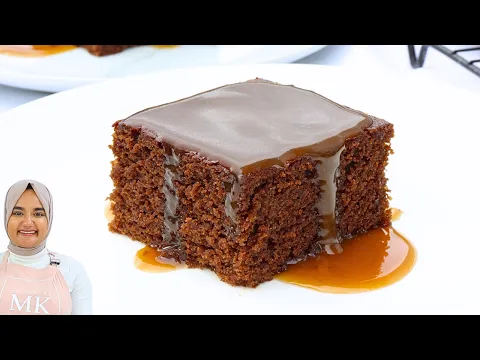 4:37
4:37Discover how to bake an exceptionally soft, spiced molasses cake finished with a glossy butterscotch molasses sauce, focusing on blooming spices with hot coffee and emulsifying the perfect glaze.
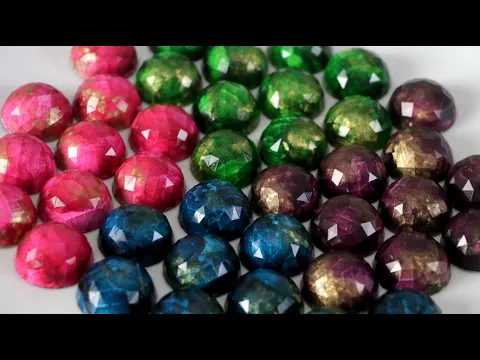 25:56
25:56Master the art of high-gloss chocolate design with Brittnee Kay's professional guide to airbrushing, coloring, and molding geometric chocolate gems filled with vibrant fruit layers.
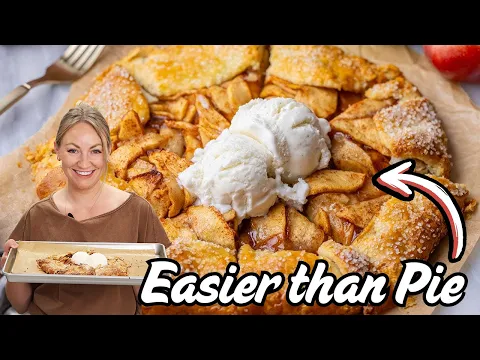 9:40
9:40Ditch the pie tin for a rustic, high-margin dessert. This professional guide to the apple galette reveals why sour cream pastry dough is the ultimate shortcut to a flaky, dependable crust.
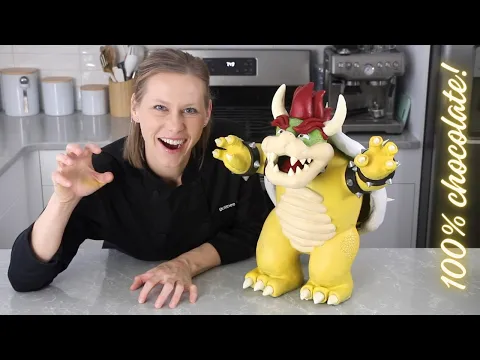 44:47
44:47Go behind the scenes at Amaury Guichon's Pastry Academy to explore the structural engineering, airbrushing, and logistical planning required to build and transport a massive 100% chocolate Bowser sculpture.
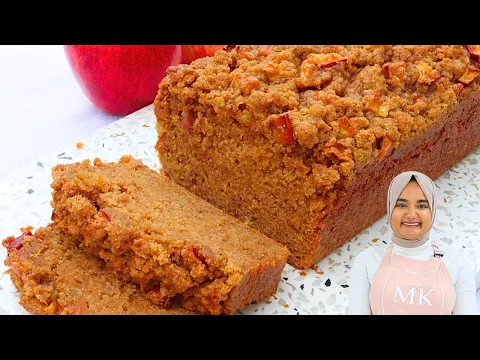 3:39
3:39Learn how to master the perfect balance of moisture and structure in quick breads with this apple bread formulation from Cakes by MK, featuring a crisp cinnamon streusel.
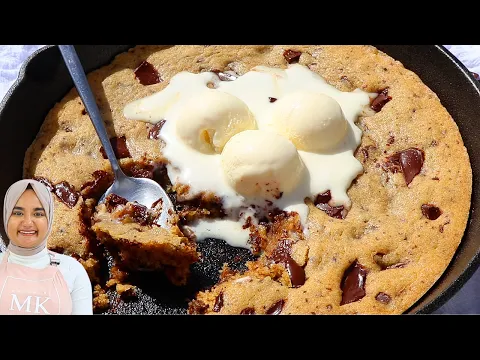 3:02
3:02Discover the science behind the ultimate warm, gooey chocolate chip pizookie, featuring a perfect balance of crisp caramelized edges and a rich, molten center.
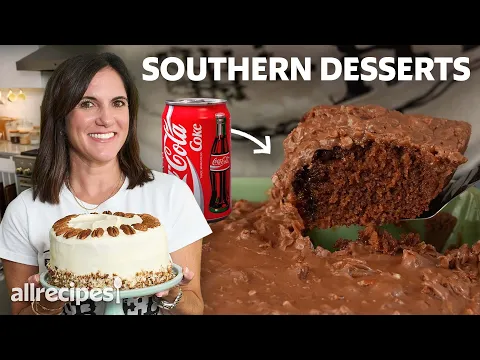 24:56
24:56Discover the professional pastry techniques behind five historic Southern American desserts, focusing on acid balancing, moisture control, and precise sugar work.
Shorts & reels
Sixty-second clips — one idea, one trick, no preamble.
 1:12
1:12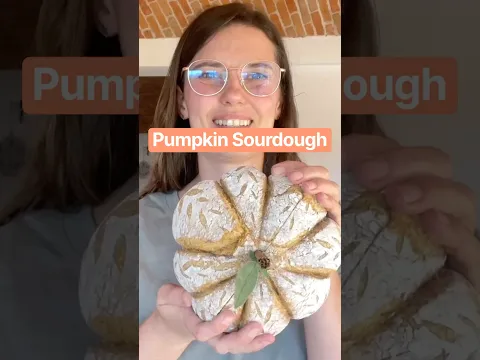 2:40
2:40 1:34
1:34 0:33
0:33 0:19
0:19 0:38
0:38 2:05
2:05 1:19
1:19 0:26
0:26 2:58
2:58 1:22
1:22 0:07
0:07 0:17
0:17 0:24
0:24 1:17
1:17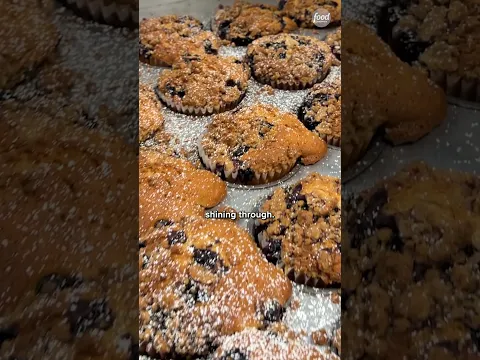 1:21
1:21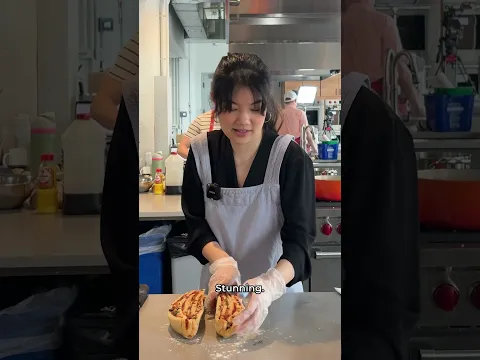 1:15
1:15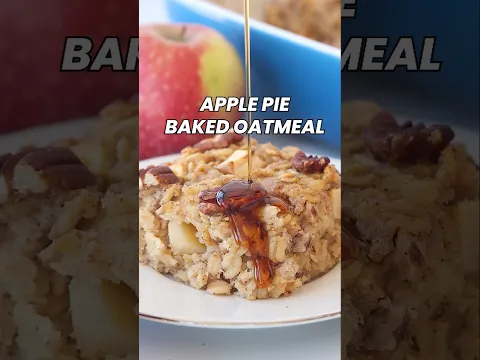 0:30
0:30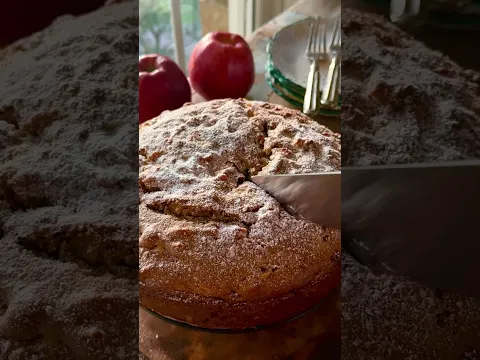 0:40
0:40 0:26
0:26 0:57
0:57 0:31
0:31 0:38
0:38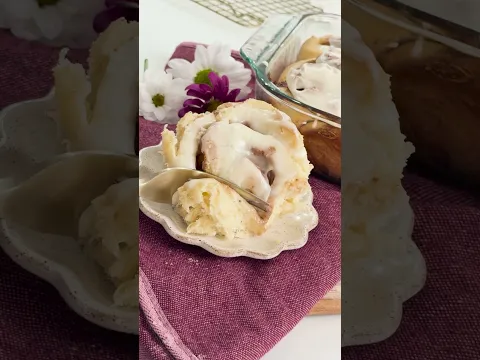 0:18
0:18 2:02
2:02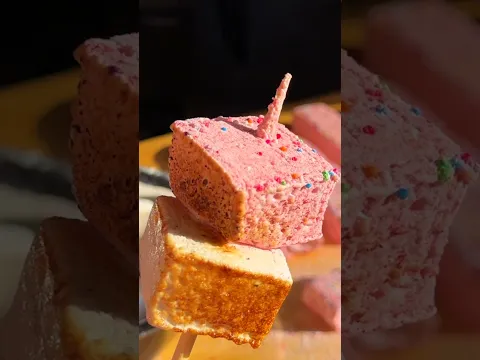 0:46
0:46 0:43
0:43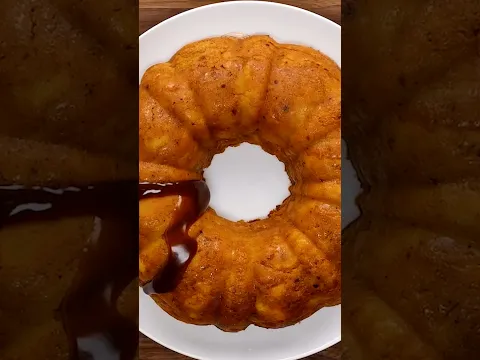 0:57
0:57 0:40
0:40 0:13
0:13Questions from the pass
Butter leaks when the dough has under-proved or the oven temperature is too low. Ensure croissants prove at 26-28°C; any hotter melts the butter layers before the yeast structures set. Bake in a deck or convection oven at 175-180°C. If using a standard T55 flour, ensure a 25% fat-to-dough ratio for optimal lamination.
Achieve an open crumb by increasing hydration to 75-80% using a strong flour with at least 13% protein. Extend the bulk fermentation at 24°C, performing gentle stretch-and-folds rather than heavy degassing. Bake in a cast-iron Dutch oven or steam-injected deck oven at 240°C for 20 minutes before venting.
Mirror glaze runs if it is poured too hot or if the entremet is not fully frozen. The glaze should be cooled to exactly 32-35°C before pouring. Ensure the mousse has been blasted to at least -20°C. Check your gelatine ratio; standard recipes require 1% gold-grade leaf gelatine to total liquid mass.
Prevent collapse by brushing ramekins vertically with softened butter and coating with caster sugar. Use a stable French meringue whipped to medium peaks, folded into a pastry cream base at a 1:1 ratio by weight. Bake at 190°C for exactly 11 minutes. Never open the oven door during the first 8 minutes.
Blooming occurs when chocolate is poorly tempered or stored in humid conditions. For dark chocolate, melt to 50-55°C, cool rapidly to 27-28°C to form beta crystals, then reheat gently to a working temperature of 31-32°C. Keep your pastry kitchen at 18-20°C with humidity below 50% to prevent sugar bloom.
The library is just the prep work
A free account on The Chef's Circle app gets you a professional portfolio, a way in with chefs and kitchens across our 1.6 million-strong following, and a cut of the ad revenue on the content you make.