The best version of pumpkin cake I’ve ever made! Pumpkin coffee cake
28 August 2026 · 4:30 watch
Advertisement
A professional look at Cakes by MK's pumpkin coffee cake, focusing on achieving a moist crumb using an oil base, balancing autumn spices, and finishing with a classic cinnamon streusel.
Key takeaways
- Using an oil-based batter instead of butter ensures the pumpkin cake remains exceptionally moist and soft over several days.
- Blending a portion of cornstarch with all-purpose flour mimics cake flour, yielding a more delicate, tender crumb structure.
- Bring eggs and milk to room temperature before mixing to ensure seamless emulsification with the vegetable oil and pumpkin.
- A simple melted-butter streusel adds crucial texture, contrasting the dense, soft crumb of the pumpkin bake.
Maryam from Cakes by MK presents a highly successful formula for an autumn classic, combining the deep, warm profile of pumpkin spice with the texturially diverse elements of a traditional coffee cake. This specific recipe focuses on balancing high moisture levels with structural integrity to deliver a sponge that is exceptionally soft, light, and layered with contrasting textures.
Structuring a Moist Pumpkin Crumb
Pumpkin puree introduces a significant amount of moisture and weight to cake batters. If not balanced correctly, this can easily result in a dense, heavy, or gummy bake. To counteract this potential pitfall, the recipe uses a neutral vegetable oil rather than creamed butter. Because oil remains liquid at room temperature, it guarantees a long-lasting, moist crumb that does not dry out. To ensure the cake remains light, Maryam blends standard all-purpose flour with a portion of cornstarch. This technique lowers the overall gluten potential of the flour, effectively mimicking cake flour to yield a tender, delicate bite that supports the weight of the pumpkin puree without collapsing.
Emulsification and Spice Balance
Achieving a uniform crumb requires a stable emulsion. The formula calls for room-temperature eggs and whole milk. When these wet ingredients are kept at the same temperature, they bind smoothly with the vegetable oil and canned pumpkin, preventing the batter from splitting during the mixing process. The aromatic profile relies on a precise dry-spice blend of cinnamon, powdered ginger, nutmeg, and cloves. Using dried, ground spices rather than fresh alternatives prevents unwanted moisture pockets and ensures an even, consistent distribution of warmth throughout the finished bake.
Contrasting Textures: Streusel and Glaze
A successful coffee cake relies heavily on structural and textural contrast. This formula pairs the soft, spiced sponge with a rustic cinnamon streusel. By utilising melted butter instead of cold, rubbed-in butter, the streusel components bind quickly into cohesive clumps that bake into a crisp, buttery crumble on top of the batter. Once baked and cooled, the cake is finished with a simple three-ingredient vanilla glazeGlazeA shiny coating applied to food to add flavour, colour, moisture or visual finish.. This adds a clean, sweet visual finish and a sugary crunch that balances the earthy spices of the pumpkin base.
Questions from the pass
Frequently asked questions
Why does this pumpkin cake recipe call for vegetable oil instead of butter?
Using vegetable oil instead of butter ensures the pumpkin cake retains maximum moisture and stays soft for days. Unlike butter, which solidifies at room temperature, oil remains liquid, preventing the dense pumpkin puree from drying out the crumb during and after baking.
What is the purpose of adding cornstarch to the cake batter?
Adding cornstarch to all-purpose flour reduces the overall protein content of the flour blend. This mimics the properties of cake flour, resulting in a significantly more tender and delicate crumb structure that balances the heavy moisture of the pumpkin.
Why must the eggs and milk be at room temperature before mixing?
Room-temperature ingredients emulsify much more effectively with the oil and pumpkin puree. If you use cold milk or eggs, it can cause the fats in the batter to seize, leading to an uneven bake and a dense, greasy texture.
Can fresh ginger be substituted for the powdered ginger in this recipe?
No, fresh ginger should not be substituted for powdered ginger in this cake batter. Fresh ginger contains different moisture levels and active enzymes that can alter the cake's structure and produce an overly sharp, wet pocket of flavour rather than a warm, distributed spice.
Original video by Cakes by MK. This overview is written independently by The Chef's Circle editorial desk — watch the original on YouTube.
Keep reading
Related from the Community

LIVE: Food Network Chefs' Cozy Fall Recipes 🍂 Ree Drummond, Ina Garten, Molly Yeh & More!
 0:53
0:53And things have only just begun 🤣💀
 9:41
9:41Apple "Cider Bath" Cinnamon Rolls | Easy No-Knead Dough | Food Wishes
 0:17
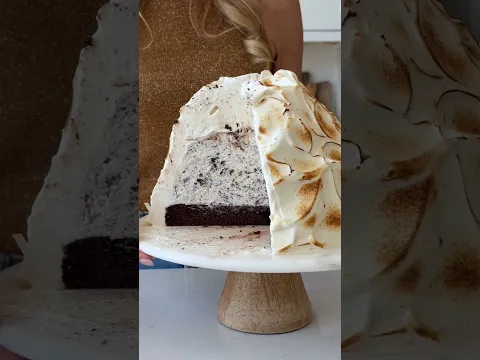
0:17Baked Alaska (My Birthday Cake)
 17:04
17:04Tomato Tart with Caramelized Onions and Gruyere (2.0)
 0:40
0:40