The True Meaning of Cooking: Nourish, Connect, Celebrate Life! #chefdez #cooking #celebratelife
13 September 2026 · 0:52 watch
Advertisement
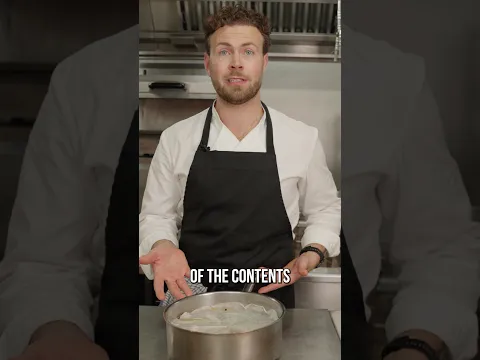
Chef Dez explores the foundational philosophy of cooking, urging professional chefs to reconnect with the core values of nourishment, connection, and community behind the pass.
Key takeaways
- Focus on the foundational purpose of hospitality: cooking should nourish and connect people, not just display technical skill.
- Avoid over-complicating dishes; ensure every element on the plate serves a clear, sensory purpose.
- Use a shared passion for food to build a positive, collaborative, and sustainable kitchen culture.
- Connect the brigade directly to the diner’s experience to improve motivation and attention to detail.
Beyond the Recipe: The Core of Hospitality
At its core, professional cooking is often reduced to precision, speed, and technical mastery. However, Chef Dez challenges modern brigade leaders to look beyond the immediate pressure of the service ticket and reconnect with the fundamental purpose of our craft: nourishing and connecting people. For a head chef or kitchen manager, this philosophy is not just sentimentality; it is a practical tool for building team cohesion, reducing kitchen burnout, and designing menus that resonate with diners on a deeper level. When a brigade understands that their work directly impacts the well-being of the guest, the daily grind shifts from a series of repetitive tasks to a shared mission.
Balancing Technical Precision with Soul
One of the greatest pitfalls in contemporary kitchens is the tendency to over-engineer dishes at the expense of soul. While modern techniques have their place, they must never overshadow the raw appeal of well-sourced, honest ingredients cooked with care. Chef Dez advocates for a return to purposeful cooking, where every component on a plate serves to comfort, nurture, or celebrate. In practice, this means evaluating your menu not just on visual aesthetics or complex prep steps, but on how effectively it facilitates connection. Whether you are running a high-volume banquet or an intimate tasting menu, the primary goal remains the same: creating a memorable moment of hospitality.
Cultivating a Positive Kitchen Culture
Implementing this philosophy starts behind the pass. Chefs who view cooking as a medium of connection are better equipped to foster healthy, collaborative kitchen environments. Instead of relying on old-school, high-stress management styles, modern kitchen leaders can use the shared passion for food to unite their teams. By encouraging junior chefs to understand the origins of their ingredients and the impact of their work, you build a more engaged, detail-oriented brigade. Ultimately, this approach improves staff retention, enhances consistency during busy services, and ensures that the energy coming out of the kitchen is positive, professional, and focused on the diner’s experience.
Questions from the pass
Frequently asked questions
How can a chef apply the philosophy of connection to a high-volume service?
Focus on simplicity and consistency during prep so that high-volume dishes do not suffer during intense rushes. Ensure your team understands that every plate sent out, even in a busy banquet, represents a direct connection to a guest, maintaining quality standards through shared pride rather than fear.
What is the risk of focusing too much on complex modern techniques?
Over-complicating dishes often dilutes the central flavours and alienates guests who crave comfort and familiarity. When technique overshadows taste and connection, the kitchen loses its primary purpose, resulting in beautiful but emotionally empty plates that fail to resonate.
How does a positive kitchen philosophy help with staff retention?
Creating an environment centered on mentorship and shared passion reduces burnout and fosters mutual respect. When junior chefs feel valued and understand the purpose behind their work, they are far more likely to remain committed to the kitchen and the brigade.
How can menu development reflect the idea of nourishing and celebrating life?
Design menus that highlight seasonal ingredients, comforting flavours, and shareable elements that encourage communal dining. Avoid adding unnecessary garnishes or steps that do not actively contribute to the guest's comfort, enjoyment, or sense of occasion.
Original video by Chef Dez. This overview is written independently by The Chef's Circle editorial desk — watch the original on YouTube.
Keep reading
Related from the Community
 20:27
20:27Every Bigfoot from Season 2 | These Woods are Haunted | Travel Channel
 1:02
1:02The Ultimate Cartouche
 3:57
3:57Oakland woman combines passion for fashion with service for cancer survivors
 0:41
0:41The Better Way to Cut an Onion
 0:51
0:51How to Achieve "Medium Heat" Every Time
 0:42
0:42