Technique

Culinary Career Strategy

Future-proof your kitchen career with practical advice on modern food technology, media branding, and long-term career planning from industry leaders.

Staying ahead in a modern kitchen requires more than mastering classic culinary techniques. Culinary Career Strategy is about identifying where the industry is going and positioning yourself to lead it. Whether that means adopting food preservation tech like Luca Marchini's use of TERRA Food-Tech autoclaves, or embracing 3D printing, the modern chef must treat their career as an evolving business.

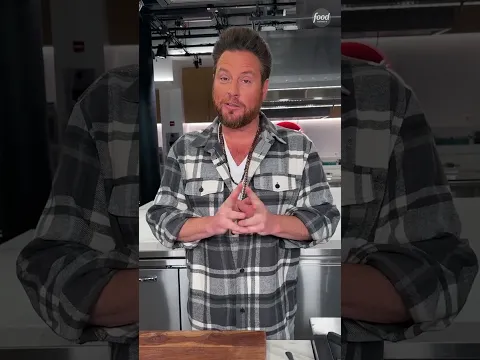
A major pitfall is ignoring the digital shift. Building a personal brand is no longer optional; it is a core professional skill. You need to know how to present your work, whether that is producing high-quality culinary videos to build an audience—as Philip Lemoine details—or learning how progressive kitchens like Fallow structure their operations. If you had to start over in 2026, your strategy would look very different from a decade ago.

In this section, you will find practical guides and real-world case studies from chefs who are rewriting the rulebook. We look at the equipment, media skills, and forward-thinking mindsets needed to build a resilient, profitable, and highly respected career in today's hospitality landscape.

Shorts & reels

Quick hits from the pass

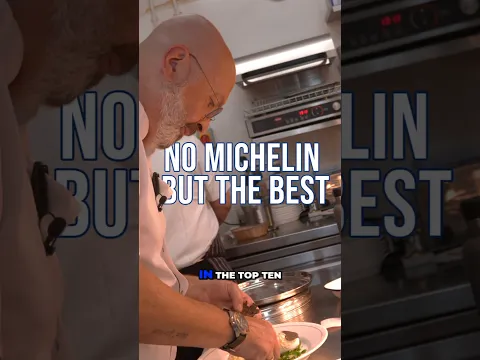
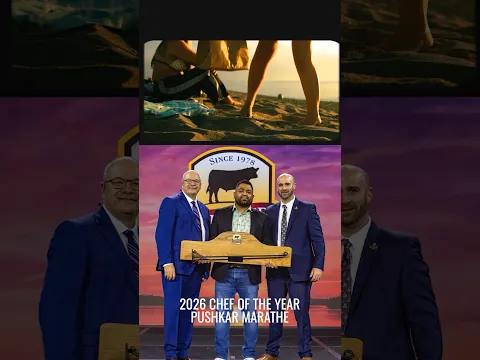
Sixty-second clips — one idea, one trick, no preamble.

Questions from the pass

Culinary Career Strategy: frequently asked

How do I transition from line cook to development chef?

To move into development, master industrial scale-up. You must translate a single portion into mass production. For example, scale a standard red wine jus recipe from a 1-litre reduction to a 100-litre cook-chill batch using steam-jacketed kettles. Learn to calculate precise starch hydration percentages (like 1.5% modified maize starch) to maintain stability during blast freezing at -18°C.

How do chefs protect their recipe IP when publishing online?

Culinary IP protection relies on specific execution, not ingredient lists. When publishing your signature 72-hour sourdough recipe online, write the method with precise baker's percentages (e.g., 78% hydration, 20% levain) and exact ambient temperatures (24°C for bulk fermentation). Trademark your brand name, and document step-by-step video techniques, which are harder to replicate than a bare list of ingredients.

What software skills do modern head chefs need?

Modern head chefs must master kitchen management software for recipe costing and combi oven programming. You need to write multi-stage cooking profiles into rational ovens. For instance, programme a roast pork belly sequence starting at 130°C with 60% steam for 3 hours, finishing at 230°C dry heat for 20 minutes to blister the crackling. This ensures consistency across multiple sites.

How can a classical chef adapt to plant-based culinary trends?

Retrain in food science and functional ingredients rather than relying on processed substitutes. Learn to replace egg whites with aquafaba at a 1:1 ratio for meringues, or use methylcellulose at 1.5% by weight to bind plant-based sausages that sear at 180°C without breaking down. Understanding these chemical thresholds future-proofs your menu development capabilities in modern UK hospitality.
Is doing unpaid kitchen stages worth it for career progression?

Unpaid stages are rarely viable long-term. Instead, negotiate paid, targeted placements focusing on specific operational skills. Spend two weeks mastering high-speed butchery of whole carcasses, or learning the inventory control of a high-volume, 300-cover restaurant. Ensure you track waste percentages—aiming for under 3% food waste—to prove your financial management capability to future employers who value profit-and-loss skills over free labour.
The library is just the prep work

Step off the pass. Join the network.

A free account on The Chef's Circle app gets you a professional portfolio, a way in with chefs and kitchens across our 1.6 million-strong following, and a cut of the ad revenue on the content you make.