Golden Roasted Chicken with a Sweet & Tangy Sauce to Die For!
20 November 2026 · 17:52 watch
Advertisement
Chicken Marbella is a sweet-tangy, briny baked chicken built on an overnight marinade of prunes, olives, capers and vinegar. This guide covers how the dish comes together, where published versions differ, and the points where it tends to go wrong.
Key takeaways
- The overnight marinade of olive oil, vinegar, prunes, olives, capers, garlic and oregano is central to the dish's flavour.
- Published versions differ mainly in brown sugar quantity, prune proportion and whether bone-in or boneless thighs are used.
- Chicken is baked in a shallow pan with white wine and brown sugar, and the thighs are doneness-checked by clear juices.
- Pan juices are reduced to about half a cup, strained and finished with parsley to make the sauce.
- Leaving the sugar on the chicken when basting helps build the glaze, and foil can slow over-browning.
Chicken Marbella is a baked chicken dish that gets its character from an overnight marinade and a finish of wine and brown sugar. The chicken is coated in a mixture of olive oil, vinegar, prunes, green olives, capers, bay leaves, garlic and oregano, then refrigerated overnight so the flavours penetrate the meat. It is baked in a shallow pan with white wine and a scattering of brown sugar, and the pan juices are reduced and poured back over the chicken before service. The result is a glossy, sweet-sour sauce that balances the saltiness of the olives and capers, and the dish is widely regarded as a make-ahead option for entertaining.
Where the dish comes from and what has changed
The recipe is most closely associated with The Silver Palate Cookbook by Julee Rosso and Sheila Lukins, and the original method still forms the reference point for most adaptations. In the published Silver Palate version, the chicken pieces are marinated overnight in a large bowl, arranged in a single layer in a shallow roasting pan, and baked at 350 degrees Fahrenheit. The original calls for a full cup of brown sugar, and the chicken is basted two or three times once it starts to colour. Bone-in pieces are typically baked for 50 to 60 minutes, until the thigh yields clear yellow juice when pricked with a fork.
Modern home versions tend to adjust the balance rather than the concept. One adaptation keeps the inspiration from the original but reduces the sweetness and increases the proportion of prunes to give a more balanced sweet-sour profile, and it scales the chicken to a realistic home quantity. Another reduces the brown sugar from one cup to three-quarters of a cup, arguing that this gives a sweet-sour ratio that suits a vibrant sauce, and switches to boneless, skinless thighs. These are genuinely different decisions. The bone-in method keeps skin and bone in the pan and gives you a more concentrated pan juice; the boneless method cooks faster and makes the dish easier to portion for a crowd, but gives you less rendered fat and a less rich base for the sauce.
Working through the marinade and the bake
The marinade does most of the flavour work, so the ingredients need to be prepared before the chicken goes in. Prunes should be pitted and left whole, olives and capers should be drained, and the garlic and herbs should be measured out. Coat the chicken thoroughly so every surface has contact with the marinade, then refrigerate it overnight. Arranging the chicken in a single layer matters: crowding pieces into a deep dish traps steam and softens the skin, while a shallow roasting pan lets the surfaces brown and lets the pan juices concentrate.
Add the wine and sprinkle the brown sugar over the chicken just before it goes into the oven. Baking the chicken until the thighs release clear juices is the reliable check for doneness, and a probe thermometer gives a more precise reading for a professional kitchen. If the sugar begins to darken too quickly, cover the pan loosely with foil. When basting, the Silver Palate method advises leaving the sugar on the chicken rather than brushing it off, since it contributes to the glazeGlazeA shiny coating applied to food to add flavour, colour, moisture or visual finish.. Some versions finish with a brief spell under the grillGrillTo cook using direct radiant heat. to deepen the caramel, which is worth watching closely because the sugar can scorch.
Finishing the sauce and serving
Once the chicken is cooked, transfer the pieces to a warm platter and scatter the prunes, olives and capers over them. Set the roasting pan over medium heat, bring the juices to a boil, and reduceReduceTo simmer a liquid so that water evaporates, concentrating flavour and increasing viscosity. them to about half a cup. StrainStrainTo separate solids from liquids using a sieve, chinois or other filtering device. the reduction into a heatproof bowl, stir in chopped parsley, and spoon it over the chicken. Keep the sauce separate if you want to avoid overly glossy skin, or serve the extra on the side.
The dish suits service because the flavours develop over the overnight rest and the chicken holds well once cooked. Plan the reduction as a final step so the sauce is fresh and at the right consistency at plating. GarnishGarnishAn edible element added primarily to enhance flavour, texture or presentation. with parsley or coriander, and serve with plain starches or greens that can absorb the juices without competing with the sweet-sour balance.
References
Main ingredients
Original video by Chef Jean-Pierre. The Chef's Circle is the article publisher, not the video creator. This overview is written independently by The Chef's Circle editorial desk — watch the original on YouTube.
Keep reading
Related from the Community
 22:24
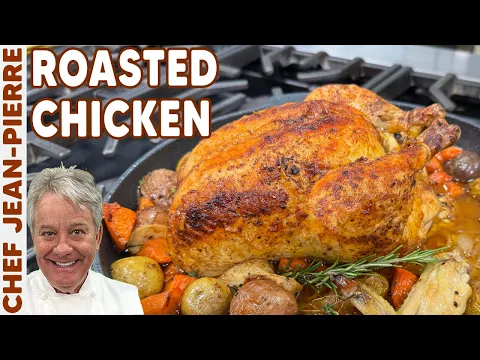
Roasted Chicken in a FRYPAN! | Chef Jean-Pierre
 6:15
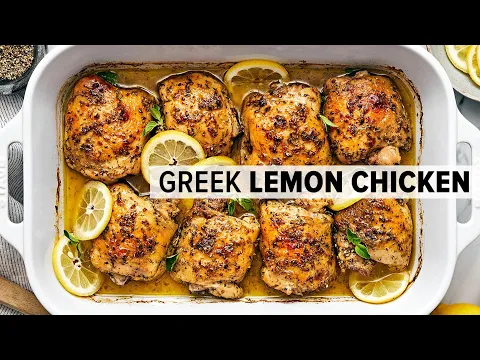
GREEK LEMON CHICKEN is a must-make, super easy dinner recipe!
 20:06
I Asked Michelin Chefs How They Cook Chicken Breast
 18:01