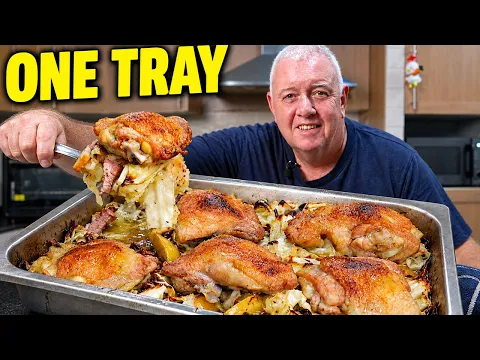
 13:59
13:59Backyard Chef
One Pan Roast Chicken with Bacon and Cabbage
Discover how to master the dual-stage roasting technique to prepare a complete one-pan chicken thigh dinner with crispy skin and deeply glazed cabbage.
Technique
Master the mechanics of dry-heat cooking, from temperature control and fat rendering to the science of resting joints for maximum yield.
Roasting is about dry heat, fat management, and air circulation. Get it right, and you get deep caramelisation and intense flavour; get it wrong, and you end up steaming your prep or drying out expensive cuts. The key is managing moisture. Crowding your roasting trays drops the temperature and traps steam, ruining any chance of a crisp exterior.
In this section, we break down the mechanics of roasting across different setups. You will find professional guides on everything from wood-fire roasting with Tournant to high-heat pan work from Chef Jean-Pierre. We cover the fundamental physics of resting roasted meats to preserve yield, alongside regional techniques like Greek slow-roasted lamb and crispy Thai pork belly.
Whether you are looking to refine your Sunday roast service, master high-yield prime rib, or balance acid and fat in a classic Duck à l'Orange, these resources provide the direct, kitchen-tested methods you need to control your oven or open hearth.
13:59Discover how to master the dual-stage roasting technique to prepare a complete one-pan chicken thigh dinner with crispy skin and deeply glazed cabbage.
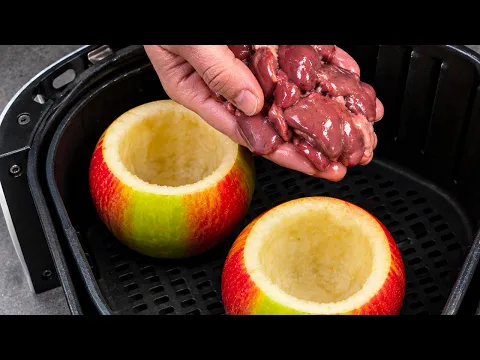 7:28
7:28Discover a unique offal preparation technique using hollowed-out apples as a natural cooking vessel for chicken liver in the air fryer, ensuring a creamy, moisture-rich finish.
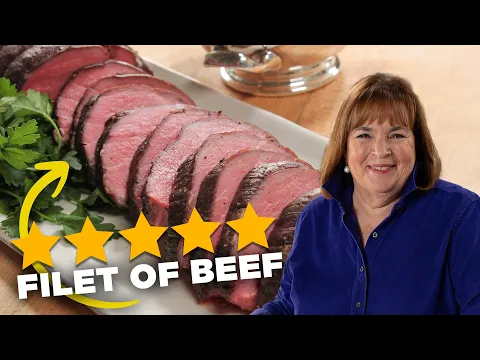 10:36
10:36Master Ina Garten's low-temperature roasting technique for a flawless, edge-to-edge pink beef tenderloin, paired with a sharp, make-ahead cold mustard-horseradish emulsion.
 41:55
41:55Discover how to adapt Jamie Oliver's single-pan and traybake principles for professional kitchens, focusing on heat management, ingredient staging, and operational efficiency.
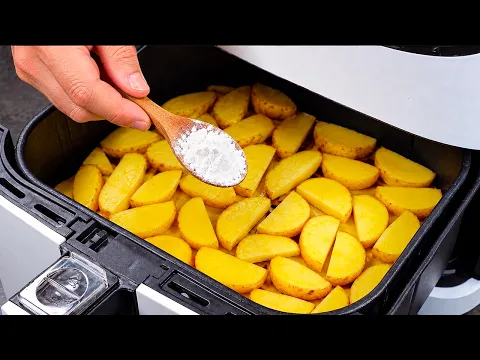 9:49
9:49Learn how alkaline parboiling and a simple starch coat produce the ultimate crispy-crusted air fryer roasted potatoes, finished with a fresh garlic butter glaze.
 62:15
62:15A professional look at potato preparation, starch utility, and high-heat cooking techniques featured in Allrecipes' comprehensive comforting potato guide.
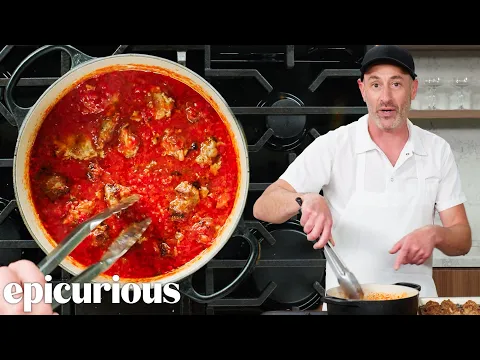 8:02
8:02Learn how Chef Dan Richer achieves incredibly tender meatballs using a milk-soaked panade, high-heat oven roasting, and a gentle finish in simmering tomato sauce.
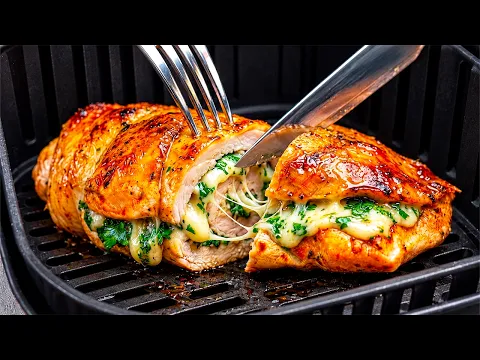 8:16
8:16Discover a highly efficient, two-stage air fryer technique that transforms marinated chicken breasts, mushrooms, and mozzarella into a quick, succulent service option.
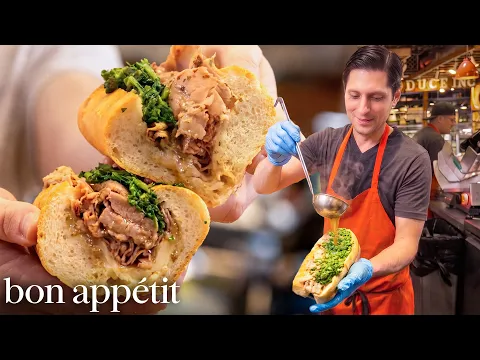 12:56
12:56Discover the professional multi-day technique behind Philadelphia’s iconic roast pork sandwich. Chef Joe Nicolosi of Tommy DiNic's demonstrates how slow-roasting, precise slicing, and bitter greens create a masterclass in sandwich architecture.
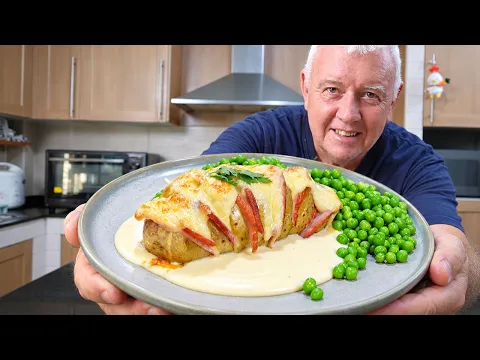 13:26
13:26Discover a time-saving hybrid cooking technique for classic Hasselback potatoes. By par-cooking in the microwave before roasting, you cut prep times in half while achieving perfectly crispy edges and a rich, bubbling Cheddar cheese finish.
 3:33
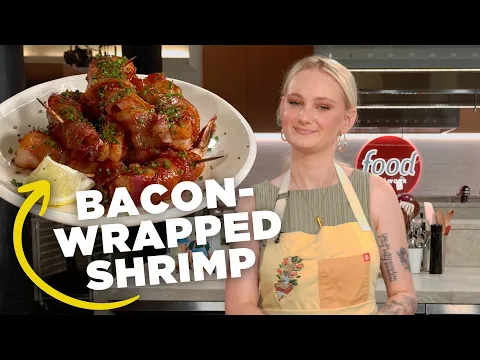
3:33Chef Tini Younger shares her method for Bourbon-Maple Bacon-Wrapped Shrimp, showcasing how to balance sweet-smoky glazes and master dual cooking times.
 17:04
17:04Streamline your busy weeknight services with five low-effort, high-speed dinner concepts. From slow-cooker ramen to sheet-pan baking, these recipes focus on efficient assembly and moisture retention.
 47:23
47:23Explore the culinary benefits of Vivaldi potatoes, from streamlining kitchen prep to achieving the perfect starch-to-moisture ratio for mashes and roasts.
 12:30
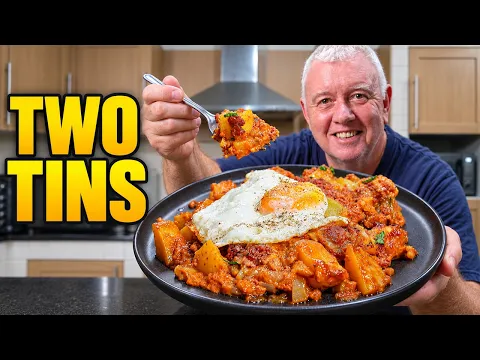
12:30Learn how to turn humble pantry staples into a rich, bubbling staff favourite with this professional guide to layering and baking a classic corned beef and potato casserole.
 26:26
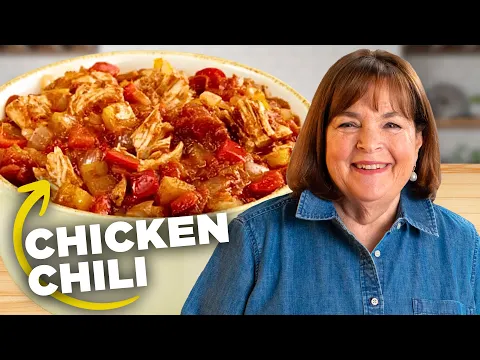
26:26Learn Ina Garten’s technique for a rich, comforting chicken chili by roasting bone-in chicken separately to keep the meat incredibly moist.
 22:26
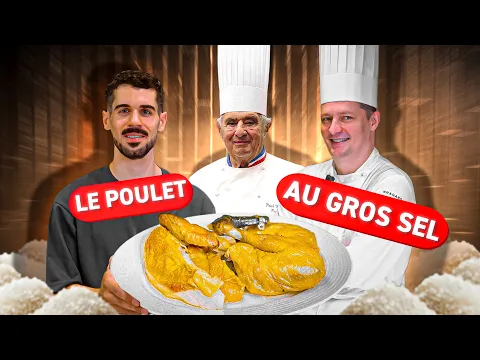
22:26Master the legendary Paul Bocuse technique of salt-baking whole chicken. Discover how a sealed coarse salt crust self-bastes the bird to deliver unmatched succulence and deep flavour.
 47:23
47:23Master the art of high-volume chicken prep with these professional techniques for roasting, jointing, and pan-searing to ensure maximum moisture and crispy skin.
 38:18
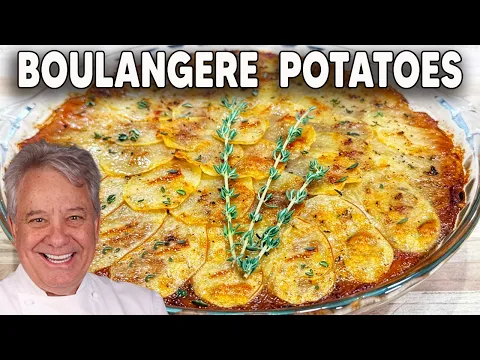
38:18Discover the art of traditional French potato cookery with Pommes Boulangère. Learn how to transform humble potatoes, caramelised onions, thyme, and stock into a meltingly tender side dish with a crisp, golden crust.
 4:12
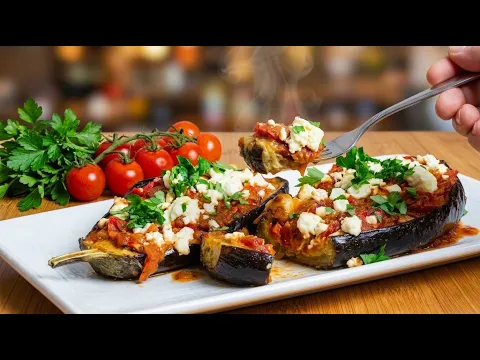
4:12Discover how to prepare authentic Greek Imam Bayildi, a classic plant-based dish of slow-cooked, melt-in-the-mouth stuffed eggplants packed with sweet, aromatic tomatoes and onions.
 8:42
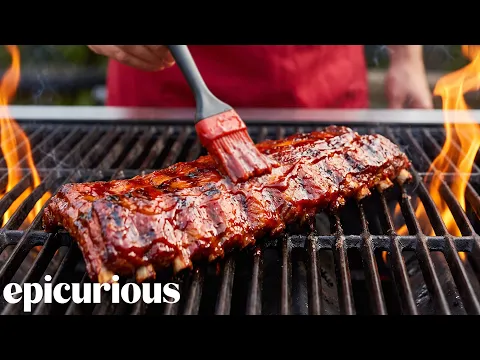
8:42Discover how to master a professional two-stage oven-to-grill cooking method for pork ribs with chef and pitmaster Matt Abdoo. Learn how to achieve competition-style tenderness and a glossy glaze without a smoker.
 18:25
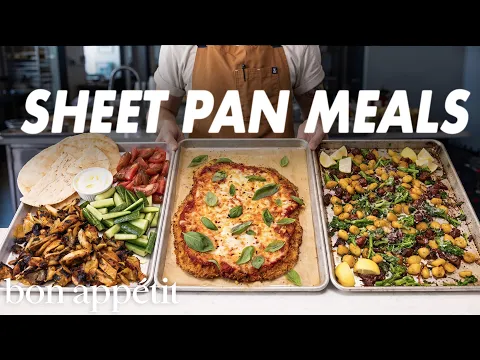
18:25Discover how to utilise different oven zones to perfect your sheet pan cookery, from bottom-rack oven-frying to high-heat broiling.
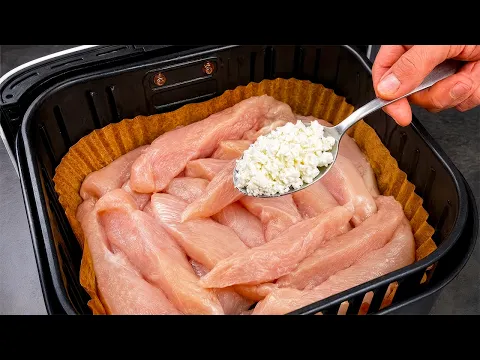 7:26
7:26Discover how to use a cottage cheese and egg binder to insulate chicken breast in the air fryer, keeping the lean meat juicy at a controlled 160C.
 9:13
9:13Discover how to master a classic Italian-style roast leg of lamb, stuffed with fresh herbs and garlic, and roasted over a bed of crispy, fat-basted potatoes.
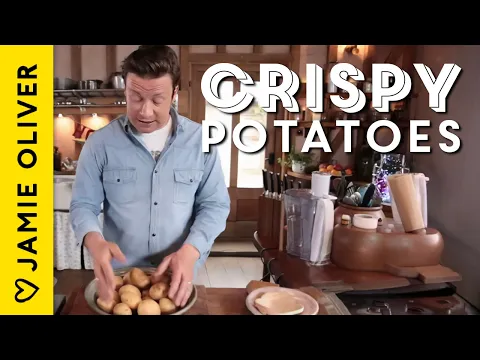 4:48
4:48Master the Hasselback potato technique with professional guidance on knife precision, fat basting, and roasting for the ultimate crisp texture.
 3:08
3:08Is fresh or frozen cauliflower superior for the perfect classic British cauliflower cheese? We break down Jamie Oliver's comparison, focusing on moisture control, bake consistency, and high-volume kitchen efficiency.
 8:30
8:30Discover a professional-grade multi-stage air fryer technique for small potatoes, using a rich garlic-butter glaze and a jammy egg yolk and Parmesan finish.
 18:38
18:38Learn how to transform block tofu into a versatile shredded meat alternative using a simple box grater technique, perfect for plant-based mains.
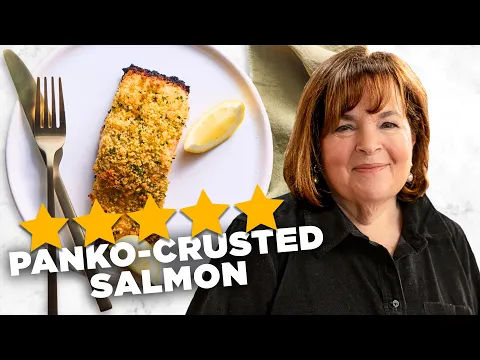 22:18
22:18Ina Garten's simple technique for panko-crusted salmon delivers crisp skin and a golden herb crust. Learn how to balance pan-searing and roasting using a single cast-iron skillet.
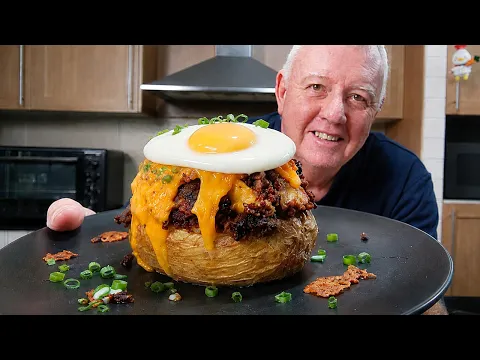 16:41
16:41Transform humble ingredients into a robust British classic. Learn how to execute perfect double-baked jacket potatoes loaded with crispy, pan-fried corned beef hash and topped with a rich runny egg.
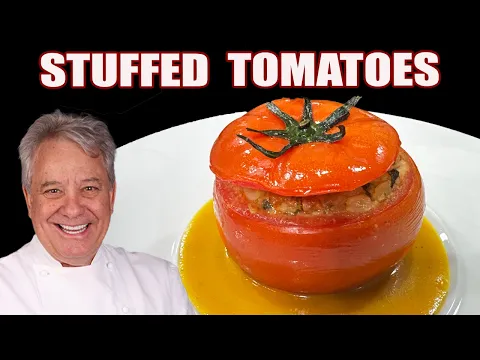 46:49
46:49Chef Jean-Pierre demonstrates a refined approach to stuffed tomatoes, loading them with a rich mixture of sausage, tender barley, spinach, and cheese, all plated over a smooth, vibrant yellow pepper coulis.
Shorts & reels
Sixty-second clips — one idea, one trick, no preamble.
 2:00
2:00 1:21
1:21 1:23
1:23 0:34
0:34 1:55
1:55 0:10
0:10 0:51
0:51 0:32
0:32 0:30
0:30 0:31
0:31 0:58
0:58 0:36
0:36 1:58
1:58 0:54
0:54 1:19
1:19 2:38
2:38 0:26
0:26 1:43
1:43 0:16
0:16 1:00
1:00 0:56
0:56 0:36
0:36 0:24
0:24 0:41
0:41 1:01
1:01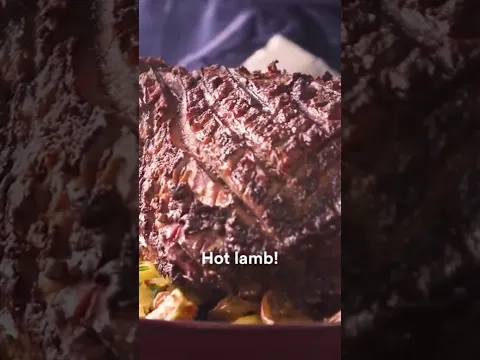 2:46
2:46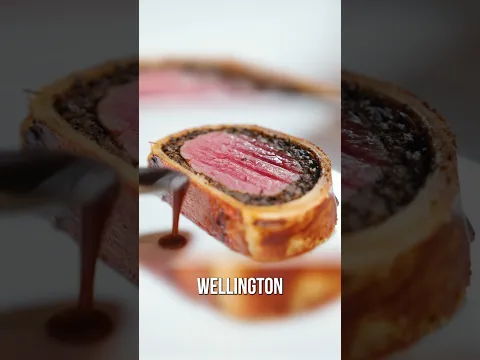 2:29
2:29 1:23
1:23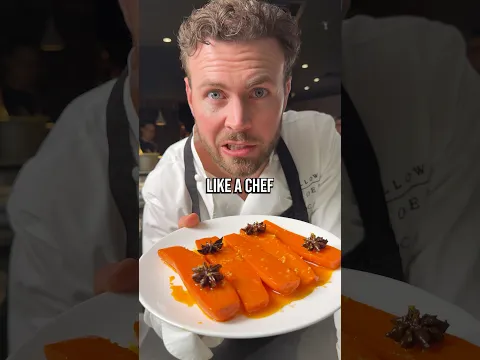 0:47
0:47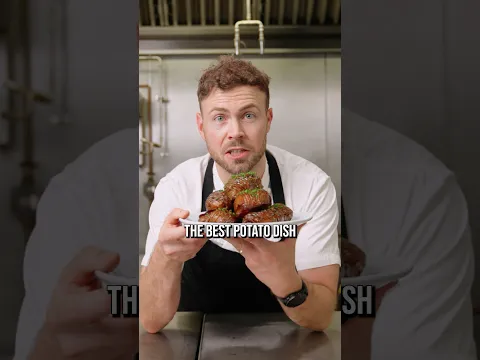 2:08
2:08Questions from the pass
Roasting large joints like rib of beef at 120°C instead of 200°C minimises the temperature gradient between the core and the exterior. This prevents the outer meat from overcooking and squeezing out moisture before the centre reaches its target 54°C. Finish with a ten-minute blast at 230°C for crust colour.
Score the skin finely, pour boiling water over it to tighten the collagen, then dry thoroughly in the fridge overnight. Roast at 220°C for the first 20 minutes to puff the skin, then drop to 160°C to render the subcutaneous fat. Rubbing with fine salt and a touch of bicarbonate of soda aids crisping.
Rest large joints, such as a 3kg sirloin, for at least 20 to 30 minutes in a warm holding drawer at 55°C. This allows muscle fibres to relax and reabsorb water-binding proteins, reducing carving loss from 15% to under 5%, ensuring juices stay in the meat rather than on the board.
Soggy vegetables occur due to overcrowding, which traps steam. Roast carrots and parsnips in a single layer with a 2cm gap between pieces at 200°C. Toss in fat, using 30ml of oil per kilo, to facilitate heat transfer. This dry-heat environment allows surface sugars to exceed 140°C, triggering the Maillard reaction.
Pull a whole leg of lamb out of the oven when the internal probe registers 52°C for medium-rare. Carry-over cooking during the 20-minute resting period will raise the core temperature by 4°C to 6°C, bringing it to a perfect 57°C. Pulling it at the final target temperature results in dry, overcooked meat.
The library is just the prep work
A free account on The Chef's Circle app gets you a professional portfolio, a way in with chefs and kitchens across our 1.6 million-strong following, and a cut of the ad revenue on the content you make.