Perfect Creamy Coleslaw | Chef Jean-Pierre
15 August 2026 · 16:12 watch
Advertisement
Lift your garde-manger station with Chef Jean-Pierre's guide to perfect creamy coleslaw. Learn the professional techniques for precision shredding, emulsion stability, and textural integrity.
Key takeaways
- Uniform shredding with a mandoline or sharp knife is essential for consistent dressing absorption and optimal mouthfeel.
- Utilising a homemade mayonnaise base provides a superior, clean flavour and a more stable emulsion than commercial alternatives.
- Properly balance acidity, fat, and sweetness in the dressing to complement rich, roasted, or grilled proteins.
- Avoid dressing the cabbage too far in advance of service to prevent osmotic weeping and preserve crunch.
Coleslaw is often dismissed as a mundane steakhouse garnishGarnishAn edible element added primarily to enhance flavour, texture or presentation. or a rushed barbecue side, yet in the professional garde-manger kitchen, a truly exceptional slaw is a masterclass in balance and texture. In this masterclass, Chef Jean-Pierre unpacks the techniques required to lift this humble cabbage salad into a refined, high-end accompaniment. By focusing on the structural integrity of the brassicas and the emulsion of the dressing, chefs can transform a watery afterthought into a high-margin, crowd-pleasing signature side.
Precision Prep and Textural Integrity
The foundation of any superior coleslaw lies in the prep work. Chef Jean-Pierre highlights the importance of consistency in your knife work or equipment selection. Using a mandolineMandolineA kitchen slicing tool designed to produce fast, precise and uniform cuts. or a finely honed deli knife ensures that the cabbage and carrots are shredded to a uniform thickness. This uniformity is not merely aesthetic; it dictates how the vegetables absorb the dressing and maintain their crunch over service. Unevenly cut brassicas lead to pockets of limp cabbage alongside excessively tough ribs, ruining the mouthfeel. To maintain a crisp bite, chefs must ensure the vegetables are prepped cleanly and handled gently to avoid crushing the cell walls, which causes premature weeping and thins the dressing.
The Emulsion: Lifting the Dressing
A common pitfall in busy kitchens is relying on heavy, commercial dressings that mask the fresh sweetness of the vegetables. Chef Jean-Pierre champions the use of a high-quality base, specifically advocating for homemade mayonnaise to achieve a superior mouthfeel and clean flavour profile. A stable emulsion allows the dressing to cling to the shred without pooling at the bottom of the hotel pan. While the exact "secret ingredient" is teased to pique diner interest, the editorial takeaway for chefs is clear: acidity, sweetness, and fat must be balanced precisely to cut through rich grilled meats. Preparing the components separately and combining them closer to service prevents the salt in the dressing from drawing out excess moisture, ensuring the coleslaw remains perfectly creamy and crisp from prep to pass.
Questions from the pass
Frequently asked questions
Why does my coleslaw become watery after sitting in the prep fridge?
Coleslaw becomes watery due to osmosis, where salt in the dressing draws moisture out of the cabbage cells. To prevent this, you can salt and drain the shredded cabbage before dressing it, or dress the vegetables closer to service time to preserve their crisp texture.
What is the benefit of using homemade mayonnaise for coleslaw dressing?
Using homemade mayonnaise provides a cleaner flavour profile and a superior mouthfeel compared to commercial alternatives. It allows you to control the oil and acid balance precisely, ensuring the dressing complements rather than overpowers the fresh sweetness of the cabbage and carrots.
How do I ensure a consistent shred when prepping cabbage for bulk service?
To ensure a consistent shred in high-volume prep, use a professional mandoline with a safety guard or a highly sharpened offset deli knife. Consistent thickness is vital because it ensures uniform dressing cling and prevents some portions from becoming soggier than others.
Can I prep the coleslaw components ahead of a busy service?
Yes, you can prep the shredded cabbage and carrots and mix the dressing separately up to a day in advance. Keep them tightly covered and refrigerated, then toss them together shortly before service to maintain the ultimate crunch and prevent the dressing from thinning.
Main ingredients
Original video by Chef Jean-Pierre. This overview is written independently by The Chef's Circle editorial desk — watch the original on YouTube.
Keep reading
Related from the Community
 1:16
1:16How a Sushi Master Makes Sushi
 0:38
0:38Stop Crying When Cutting Onions: Genius Kitchen Hack! #chefdez #cooking #cuttingonions #onions
 1:25
1:25Fine dining starts with the right tools 🔪#ICECulinary #FineDining #ChefTools #CulinarySchool #Chef
 1:39
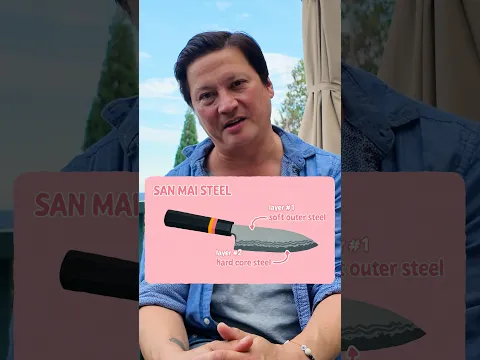
1:39San Mai Steel: Why It Works for Kitchen Knives
 3:01
3:01Here’s what really happens when you hone a knife
 0:50
0:50