Technique

Knife Skills

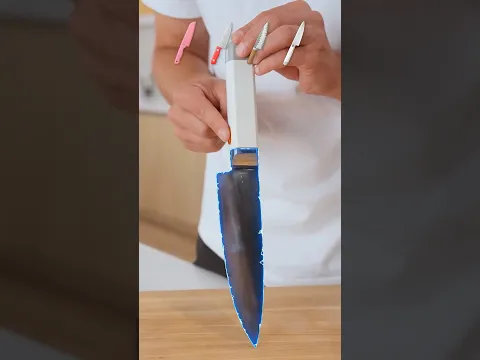
Master prep-line precision, speed, and consistency with our guides to professional knife skills, blade selection, and stone sharpening.

Every service starts at the prep bench. Clean, consistent knife work isn't about showing off; it is about yield, even cooking times, and presentation. If your brunoise is uneven, it cooks unevenly. If your slice is ragged, you lose juice and compromise shelf life. This section focuses on the fundamental mechanics of speed and accuracy, stripping away the performance to focus on what actually works under pressure on a busy section.

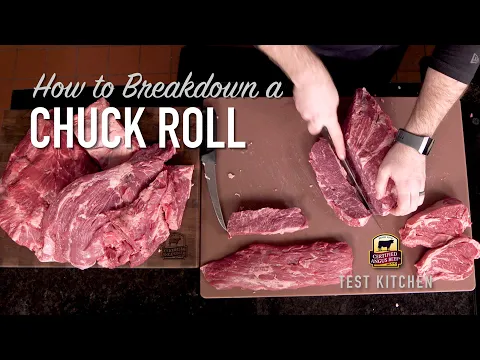
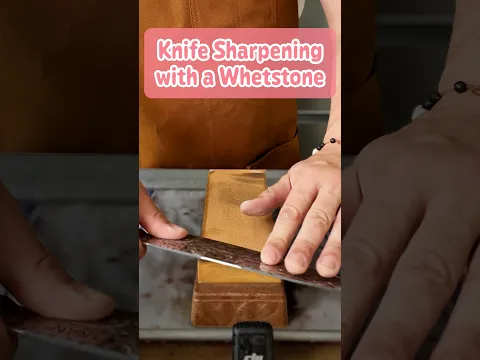
Here, we cover the core French cuts—from julienne to paysanne—alongside advanced butchery and fish filleting techniques. We also address the mechanical side of the job: blade geometry, steel selection, and how to maintain a true edge on a whetstone. The biggest pitfall in a professional kitchen is using a blunt tool to rush through prep, leading to poor yields, messy plates, and avoidable injuries.

You will find practical, no-nonsense guides, step-by-step masterclasses from seasoned head chefs, and honest advice on maintaining your kit. Whether you are training commis chefs on prep consistency or refining your own speed on the line, these resources are designed for the realities of a working kitchen.

Shorts & reels

Quick hits from the pass

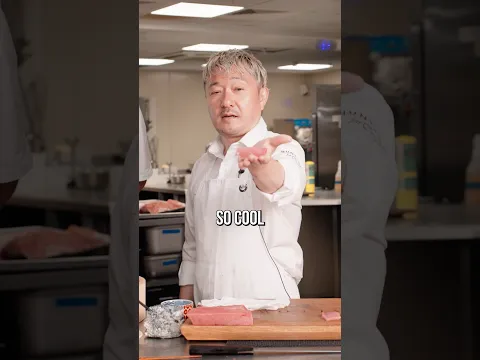
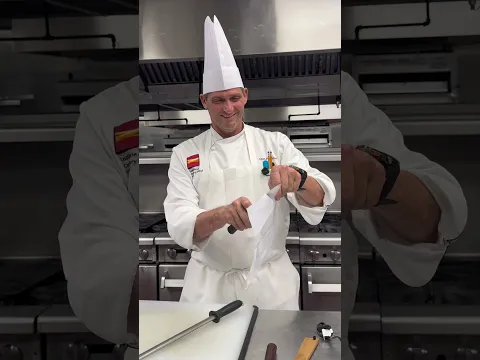
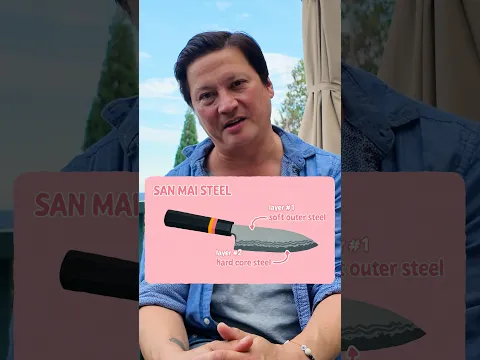
Sixty-second clips — one idea, one trick, no preamble.

Questions from the pass

Knife Skills: frequently asked

What angle should I sharpen a chef knife on a whetstone?

For Western kitchen knives like Wüsthof, maintain a 20-degree angle. For Japanese blades such as Mac or Global, use a 15-degree angle. Start on a 1000-grit stone to set the edge, then finish on a 3000-grit to polish. Test sharpness by slicing cleanly through a ripe tomato without crushing the skin.

How do you cut classic julienne and brunoise dimensions?

Classic julienne measures 2mm by 2mm by 4cm, commonly used for raw garnishes like carrots or leeks in consommé. Brunoise is a 2mm cube, cut directly from the julienne strips. To ensure even cooking in a soffritto, keep dimensions precise to prevent smaller pieces from burning while larger ones remain raw.

What is the claw grip and why is it used?

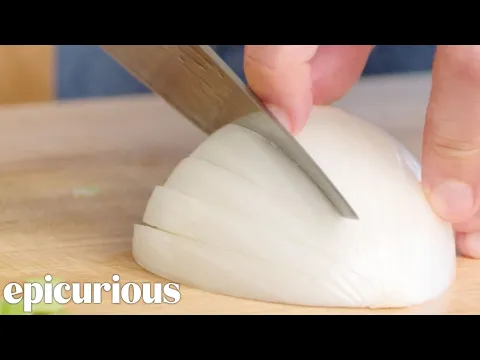
The claw grip curls your fingertips inward, resting your knuckles against the flat of the blade to act as a guide. This prevents finger-tip injuries when chopping aromatics like garlic or shallots at speed. Keep the thumb tucked behind the fingers to ensure it does not drift into the path of the edge.

Is high carbon steel better than stainless steel for prep knives?

High-carbon steel holds a sharper edge longer and is easier to hone, making it ideal for precision prep like slicing raw fish for sashimi. However, it reacts with acidic ingredients like lemons, turning the steel black and imparting a metallic taste unless wiped dry immediately after every few cuts. Stainless steel resists corrosion but dulls faster.

How do you oil a wooden chopping board to protect knives?

Wash the board with warm soapy water, dry completely, then apply food-grade mineral oil. Let it soak for 20 minutes before wiping away the excess. Do this monthly. Avoid vegetable oils like olive or rapeseed, as they go rancid and sticky, which ruins the board surface and slows down your knife work during service.

The library is just the prep work

Step off the pass. Join the network.

A free account on The Chef's Circle app gets you a professional portfolio, a way in with chefs and kitchens across our 1.6 million-strong following, and a cut of the ad revenue on the content you make.