Cuisine

Indian

Master the science of spice tempering, slow-cooked curries, and high-level prep with technical Indian recipes and regional masterclasses from leading UK chefs.

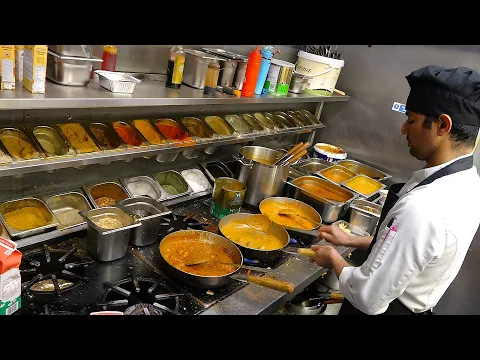
Indian cuisine in a professional kitchen is defined by the precision of tempering (tadka), deep understanding of wet-and-dry spice ratios, and the controlled caramelisation of onions. The most common pitfall is rushing the prep. Burning garlic-ginger paste or failing to properly cook out raw turmeric ruins the foundation of any gravy or sauce. True mastery requires managing high heat to release volatile oils from whole spices without scorching them.

Modern British kitchens are increasingly applying these regional foundations to premium UK ingredients. This category brings together heavy-duty spice techniques adapted for fast-paced professional service, ensuring consistency across covers without losing the depth of traditional cooking.

Here, you will find technical breakdowns from leading industry figures, including Fallow's approach to layering aromatics in their Michelin-calibre Beef Short Rib Biryani. Learn how to manage starch in long-grain basmati, handle slow-cooked meats, and build complex, balanced spice profiles that stand up on a busy pass.

Shorts & reels

Quick hits from the pass

Sixty-second clips — one idea, one trick, no preamble.

Questions from the pass

Indian: frequently asked

What is the correct oil temperature for tempering Indian spices?

For a traditional tarka, heat mustard or rapeseed oil to 180°C. Add whole spices like mustard seeds first; they should pop within 5 seconds. Reduce heat to 140°C before adding ground spices like turmeric or Kashmiri chilli powder to prevent burning. Toast ground spices for no more than 15 to 20 seconds before deglazing.

How long should mutton cook for an authentic bhuna or Kosha Mangsho?

Tougher cuts like mutton shoulder require low, wet heat to break down collagen. Sear the meat at 200°C, then lower the temperature to 90°C. Simmer gently in the sauce for 2.5 to 3 hours. The internal temperature of the meat must reach 90°C to ensure the collagen completely gelatinises, resulting in a tender, rich gravy.

What is the best method for making crispy biryani onions?

Slice red or yellow onions uniformly to 2mm using a mandoline. Fry in neutral oil at 160°C, stirring constantly to ensure even colour. Remove them when they reach a pale golden hue, as they continue to cook post-frying. Drain immediately on kitchen paper. For large batches, maintain a 1:4 ratio of onion weight to frying oil.

Why does tandoori marinade require a double-marination process?

The first marinade uses lemon juice and salt for 30 minutes to tenderise muscle fibres. The second marinade utilises hung curd (yoghurt strained for 4 hours to remove whey) and mustard oil. The curd's lactic acid gently breaks down proteins over 4 to 6 hours without turning the chicken mushy, while the fat seals in moisture during high-heat cooking.

How do you prevent yoghurt from curdling when making korma?

Yoghurt splits when heated too rapidly. Whisk full-fat yoghurt thoroughly with a teaspoon of cornflour or gram flour (besan) to stabilise the proteins. Temper the yoghurt by whisking in a ladle of the hot curry sauce before adding it back to the pan off the heat. Simmer gently below 85°C; do not bring to a boil.


The library is just the prep work

Step off the pass. Join the network.

A free account on The Chef's Circle app gets you a professional portfolio, a way in with chefs and kitchens across our 1.6 million-strong following, and a cut of the ad revenue on the content you make.