Why Gregory Gourdet loves the Biryani at NYC's Dhamaka #nyc #eater
16 September 2026 · 1:20 watch
Advertisement
Award-winning chef Gregory Gourdet visits NYC's acclaimed Dhamaka to dissect the culinary techniques behind their legendary biryani, crispy kale chaat, and spiced fried fish.
Key takeaways
- Flash-frying kale creates a robust, crispy base for chaat that resists getting soggy from wet chutneys.
- Dum cooking relies on a tight dough seal to trap steam, self-basting the rice and meat inside.
- Par-boiling basmati rice to the correct level of doneness is critical to avoid mushy biryani during the final steam.
- Successful spice crusts on fried fish require dry skin and a strong binder to prevent separation during frying.
Textural Contrast and Heat Profile
When analysing the appeal of Dhamaka’s acclaimed menu, culinary director Gregory Gourdet points to a masterful balance of intense heat, acidity, and texture. The kale chaat is a study in preservation of crunch. Instead of the traditional soft potato or chickpea bases, using crisp, flash-fried kale as the vehicle for sweet yoghurt, tangy tamarind, and sharp mint chutneys keeps the dish from becoming sodden during service. This technique requires precise oil temperatures to dehydrate the leafy greens rapidly without scorching them, ensuring a delicate shard-like texture that holds up under heavy dressings.
For the fried fish, the lesson lies in the spice paste application. The crust must protect the flesh from drying out while delivering a direct hit of toasted spices and salt. Achieving a thin, blistered coating that adheres to the skin requires a tight binding agent and dry fish surfaces prior to frying, a fundamental step that prevents steam from separating the crust from the fish.
The Art of Slow-Cooked Biryani
The centerpiece of the meal is the biryani, a dish that demands meticulous moisture control and layering. Traditional biryani utilizes the dum cooking method—sealing the pot with dough to trap steam. This technique forces the moisture back down into the grains of rice and the meat, creating a self-basting environment.
A chef looking to replicate this level of aroma must focus on the par-boiling stage of the basmati rice. The rice must be cooked to exactly the right yielding point before layering; too raw and it remains hard, too cooked and it turns to mush under the trapped steam. The layering of aromaticsAromaticsIngredients such as onions, garlic, celery, herbs and spices used to build flavour in a dish., fats (like ghee), and marinated meat must be done with precise ratios to ensure every grain of rice is coated and seasoned without pooling fat at the bottom of the pot. When the seal is broken tableside, the sudden release of volatile aromatic compounds serves as a potent sensory marker for the guest.
Questions from the pass
Frequently asked questions
What is the key to preventing soggy kale chaat?
Flash-frying the kale at a high temperature is essential to remove moisture rapidly and create a sturdy, crisp structure. This crispness allows the kale to hold heavy chutneys, yoghurt, and dressings without immediately collapsing into a wet texture during service.
How does the dum cooking technique affect biryani?
Dum cooking uses a sealed dough barrier to trap steam inside the cooking vessel. This process forces moisture and volatile spice oils back into the rice and meat, ensuring the dish remains moist, evenly cooked, and highly aromatic when opened.
Why is par-boiling rice crucial before layering a biryani?
Par-boiling ensures the rice grains are partially gelatinised but still retain a firm core. If the rice is fully cooked before sealing the pot, the trapped steam will overcook the grains, turning the final dish into a mushy consistency.
How do you keep a spice crust attached to fried fish?
You must ensure the fish skin is completely dry before applying the spice paste. Using a minimal amount of binder and pressing the paste firmly onto the protein ensures it adheres during deep-frying, preventing steam from lifting the crust off.
Original video by Eater. This overview is written independently by The Chef's Circle editorial desk — watch the original on YouTube.
Keep reading
Related from the Community
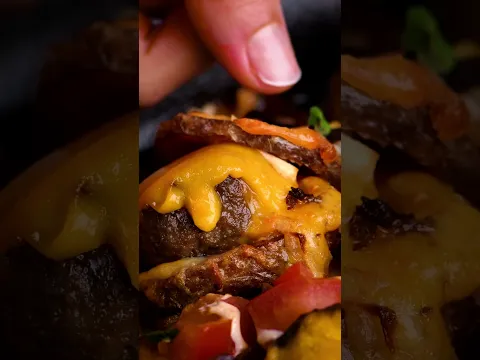 0:46
0:46Get a load of these cheeseburger fries 🍔🍟
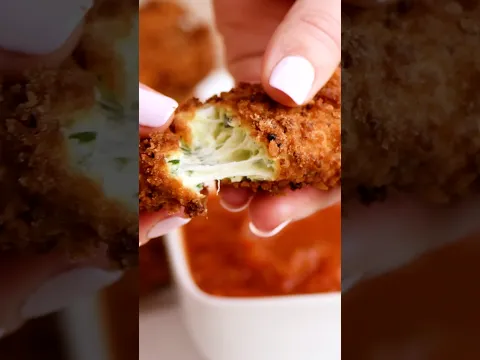 0:53
0:53The crunchy and cheesy goodness of a mozzarella stick combined with spinach artichoke dip 🧀✨
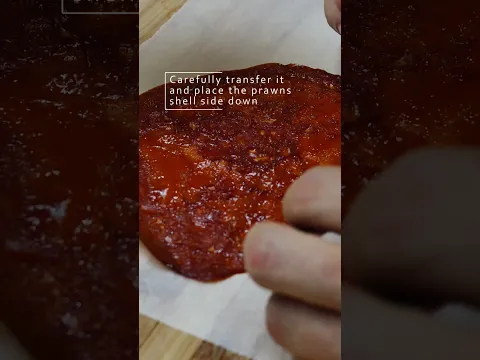 0:38
0:38Edible Fossil Chips Made From Prawn and Duck
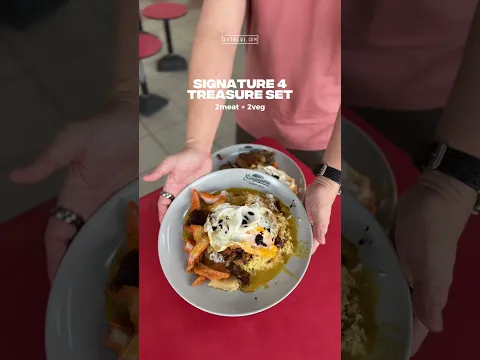 0:18
0:18curry rice is easily my go-to choice for lunch!!🍛 #singapore #sgfoodie #hawkerfood #affordable
 9:00
9:00We Turned Fresh Catfish Into Patties!
 2:56
2:56