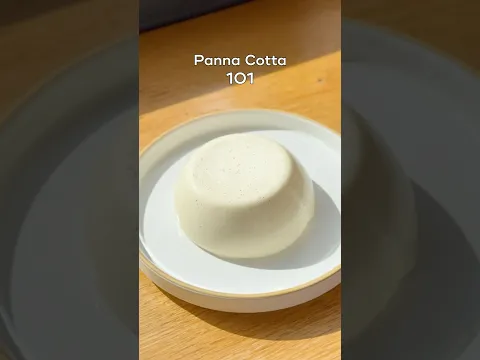
Cuisine

Italian

Regional identity, handmade pasta, and ingredient-led simplicity.

Italian cooking in a professional kitchen is defined by regional restraint. It relies entirely on sourcing. If your tomatoes lack acidity or your olive oil is flat, the dish fails. From the rich, dairy-heavy sauces of Emilia-Romagna to the sharp, clean seafood dishes of the south, the key is understanding that Italian cuisine is not one single entity, but a collection of distinct micro-regions.

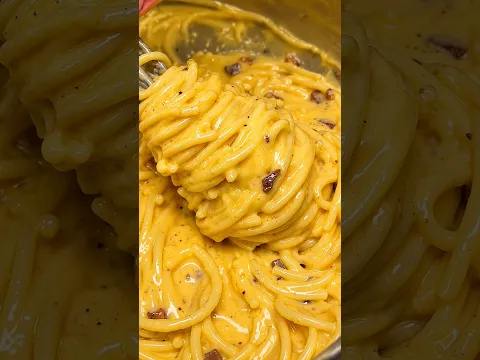
The biggest pitfall in a busy service is overcomplicating. Pasta execution relies on precision: the correct hydration for egg-based doughs (often 100g of double-zero flour to one whole egg or a specific yolk ratio), and mastering the emulsion of starch water and fat to create a glossy sauce without relying on heavy cream. Proper seasoning of the pasta water—aiming for roughly 1% salinity—is non-negotiable.
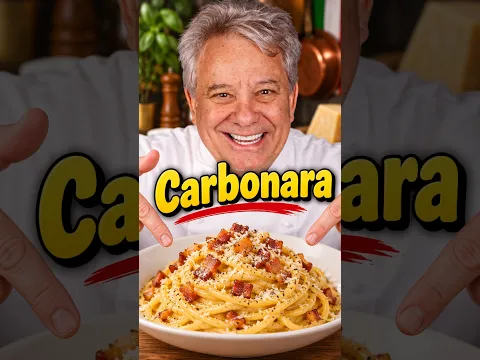
Here, we collect practical guides, technique breakdowns, and direct kitchen advice from chefs who run successful Italian sections. You will find real-world advice on sourcing DOP ingredients, perfecting classic doughs, and managing high-volume pasta stations under pressure.
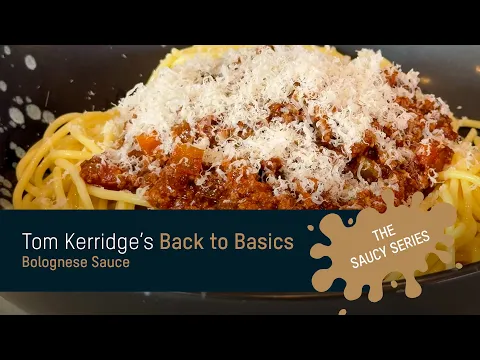
Shorts & reels

Quick hits from the pass

Sixty-second clips — one idea, one trick, no preamble.

The library is just the prep work

Step off the pass. Join the network.

A free account on The Chef's Circle app gets you a professional portfolio, a way in with chefs and kitchens across our 1.6 million-strong following, and a cut of the ad revenue on the content you make.