This Mountain Rice is Spain's BEST-KEPT Secret | Arroz de Montaña
17 September 2026 · 7:32 watch
Advertisement
Discover the rustic depth of Arroz de Montaña, Spain's traditional mountain rice. Learn how to build a rich protein fond, slow-cook a jammy sofrito, and toast Spanish round rice for perfect texture and deep, land-driven flavour.
Key takeaways
- Sear the chicken and sausage thoroughly to build a rich fond on the bottom of the pan.
- Sweat the sofrito slowly until jammy to establish a sweet, concentrated aromatic base.
- Toast the short-grain Spanish rice in the oil and sofrito before adding liquid to seal the starch.
- Avoid stirring the rice after adding the broth to ensure even cooking and encourage a caramelised crust.
Unlike the seafood-laden paellas synonymous with Spain's coastlines, Arroz de Montaña (mountain rice) represents the rustic, inland heart of Spanish rice cookery. This dish shifts the focus from ocean freshness to deep, land-driven flavours. For professional chefs, mastering this dish provides an excellent, high-margin option for casual menus or family-style sharing platters, showcasing how basic ingredients yield profound complexity.
Build the Fond and Sofrito
The foundation of a proper mountain rice relies on the caramelisationCaramelisationThe thermal breakdown of sugars that creates browned colour and complex sweet, toasted flavours. of proteins and the slow reduction of aromaticsAromaticsIngredients such as onions, garlic, celery, herbs and spices used to build flavour in a dish.. The process begins by searing bone-in chicken pieces and rustic sausage in high-quality Spanish olive oil. Achieving a deep, golden crust on the meat is essential, as the resulting fondFondThe browned residue left in a pan after searing or roasting. stuck to the bottom of the pan provides the primary flavour profile for the rice.
Once the meat is browned and set aside, the heat is lowered to sweat the aromaticsAromaticsIngredients such as onions, garlic, celery, herbs and spices used to build flavour in a dish.. A classic sofrito of finely diced onions, garlic, and grated tomatoes is cooked down slowly until the water evaporates and the mixture turns jammy and sweet. This slow caramelisationCaramelisationThe thermal breakdown of sugars that creates browned colour and complex sweet, toasted flavours. is where many cooks rush; patience here ensures the finished dish has the characteristic depth of traditional Spanish home cooking.
Rice Searing and Liquid Ratios
Using the correct short-grain Spanish round rice is non-negotiable. Grains like Bomba absorb up to three times their volume in liquid while maintaining structural integrity. Before adding any liquid, the rice must be stirred into the sofrito and oil for a couple of minutes. This technique, known as nacarar, coats each grain in fat, helping to toast the starch and prevent the rice from turning mushy.
Sweet smoked Spanish paprika and saffron thread infusionInfusionA liquid flavoured by steeping herbs, spices, fruit or other ingredients. follow, providing the signature brick-red hue and earthy aroma. Hot, high-quality brothBrothA seasoned liquid produced by simmering meat, vegetables, bones or other ingredients. is then introduced. Maintain a steady, gentle simmer rather than a violent boil to ensure the rice cooks evenly without breaking the grains. Avoid stirring the rice once the liquid is added to encourage the formation of a light socarrat—the prized caramelised rice crust at the bottom of the pan.
Questions from the pass
Frequently asked questions
What type of rice is best for Arroz de Montaña?
Short-grain Spanish round rice, such as Bomba, is the ideal choice for this dish. These varieties excel at absorbing large amounts of flavourful broth while retaining a firm, distinct bite, preventing the final dish from becoming mushy.
Can I use chicken breast instead of bone-in chicken?
Bone-in chicken is highly recommended because it yields far more flavour and gelatin during the simmer. Chicken breast dries out easily and lacks the collagen necessary to create a rich, cohesive sauce base for the rice.
What is the purpose of toasting the rice before adding liquid?
Toasting the rice in the oil, a technique called nacarar, coats the starch of each grain. This helps seal the exterior, ensuring the grains remain separate and firm rather than releasing excess starch into the pan.
How do you achieve the caramelised crust at the bottom of the pan?
To achieve a good crust, or socarrat, do not stir the rice once the broth has been added. Maintain a steady simmer and listen for a gentle crackling sound near the end of cooking, which indicates the bottom layer is caramelising.
Original video by Spain on a Fork. This overview is written independently by The Chef's Circle editorial desk — watch the original on YouTube.
Keep reading
Related from the Community
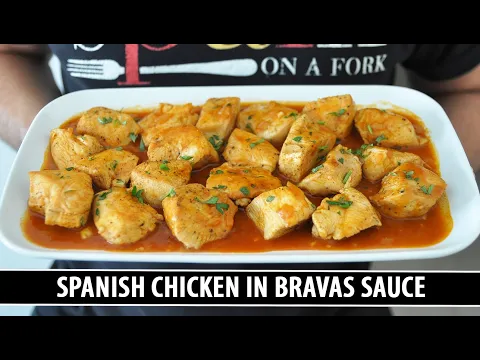 6:46
6:46Spanish Chicken in Bravas Sauce | Crazy Delicious One-Pan Recipe
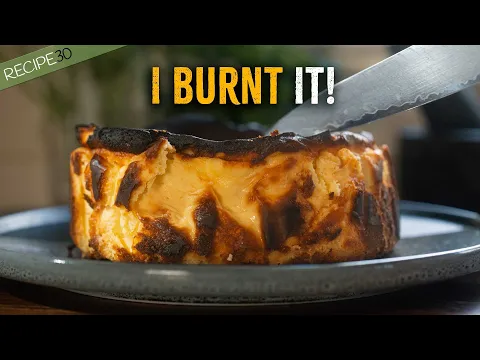 10:49
10:49The Cheesecake You're Supposed To Burn
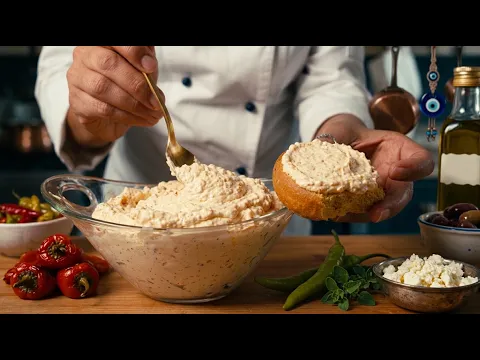 2:11
2:11The BEST Greek Dip You’ve Never Tried | Authentic Greek Tyrokafteri (Spicy Feta Dip)
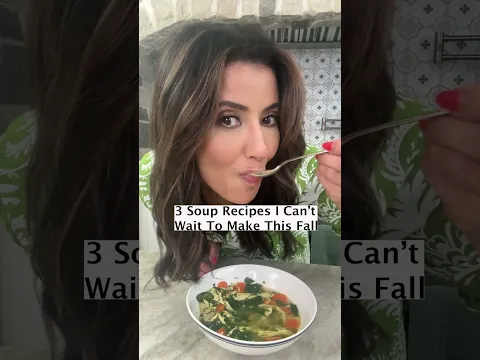 0:15
0:153 Soup Recipes I Can't Wait to Make This Fall | Easy Soup Recipes #souprecipe
 0:19
0:19The Best White Wine You've NEVER Heard Of! #wine #whitewine
 24:37
24:37