Coal Fire Steak🥩 with a Michelin-starred Chef⭐️
15 August 2026 · 1:54 watch
Advertisement
Discover the secrets of direct coal-fire steak cookery with a Michelin-starred chef. Master heat management, fuel selection, and crust development.
Key takeaways
- Always use high-quality hardwood lump charcoal instead of briquettes to avoid chemical off-flavours.
- Ensure coals are fully ash-covered and glowing red before placing the steak down to prevent bitter soot deposits.
- Choose thick-cut steaks with high marbling to endure the intense direct heat and maintain juiciness.
- Flip the steak regularly to manage the intense thermal energy and achieve an even, deep crust without scorching.
The Art of Coal-Fire Cooking\n\nCooking meat directly over or in live coals—often referred to as caveman style or direct coal-firing—is a primal technique that has found its way into modern Michelin-starred kitchens. In this showcase with influencer Danny Kim and an acclaimed Michelin-starred chef, the focus is on stripping back modern culinary safety nets to harness the raw power of solid fuel. For professional chefs, mastering this technique is not just about showmanship; it is about understanding thermal conductivity, clean combustion, and how direct radiative heat transforms animal fats and proteins. When done correctly, the coals create an unparalleled crust, imparting a subtle, clean smokiness without the acrid bitterness associated with poor fire management.\n\n## Fuel Selection and Heat Management\n\nThe foundation of a successful coal-fire cook lies entirely in fuel selection and fire management. Chefs must eschew standard briquettes, which contain chemical binders and fillers that ruin the flavor of the meat. Instead, high-quality, dense hardwood lump charcoal (such as oak, hickory, or birch) is essential. The coal must be allowed to burn down completely until it is glowing red-hot and coated with a thin layer of grey ash. This ash layer acts as a natural buffer, preventing flare-ups and ensuring even heat distribution. Before placing the steak directly onto the bed of coals, any excess loose ash should be lightly blown away to guarantee direct, clean contact between the beef and the superheated carbon source.\n\n## Executing the Perfect Crust\n\nTo withstand the intense, unforgiving heat of a direct coal fire, the choice of cut is paramount. A thick-cut steak, such as a bone-in ribeye or porterhouse, is highly recommended. The meat should be thoroughly dried and seasoned generously with coarse sea salt prior to cooking. When the steak hits the coals, the rapid searing process initiates the Maillard reaction almost instantly, locking in juices and forming a deeply caramelised crust. Continuous monitoring is vital; the chef must flip the steak frequently to prevent burning and ensure even heat penetration. Once the desired internal temperature is achieved, a resting period is crucial to allow the muscle fibres to relax and the juices to redistribute, resulting in an exceptionally tender, smoky plate.
Questions from the pass
Frequently asked questions
What type of charcoal is best for direct coal-fire steak?
Using high-quality hardwood lump charcoal, such as oak or hickory, is essential for this technique. Avoid chemical-laden briquettes, as they transfer unpleasant synthetic flavours and toxins directly into the meat. Hardwood lump burns cleaner, hotter, and provides a pure, natural smoky aroma that enhances the beef.
How do you prevent ash from sticking to the steak?
To prevent excess ash from coating the meat, ensure the coals are fully ignited and gently blow away loose surface ash before placing the steak down. The moisture on the surface of the steak will vaporise instantly upon contact, creating a steam barrier that prevents the ash from embedding into the crust.
Can you use thin cuts of meat for coal-fire cooking?
Thin cuts are not recommended for direct coal-fire cooking as they overcook in the center before a proper crust can form. Thick-cut steaks, ideally at least two inches thick, are preferred because they provide enough thermal mass to withstand the intense heat, allowing the exterior to char beautifully while keeping the interior medium-rare.
Should you oil the steak before placing it on the coals?
No, you should never oil a steak before putting it directly onto live coals. Excess oil will drip into the fire, causing dramatic flare-ups, heavy black soot, and acrid smoke that ruins the clean flavor of the meat. Rely instead on the rendering fat within the steak itself to baste the meat.
Main ingredients
Original video by Danny Kim. This overview is written independently by The Chef's Circle editorial desk — watch the original on YouTube.
Keep reading
Related from the Community
 10:12
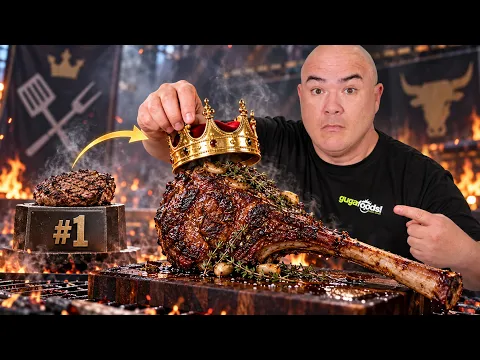
10:12I Tried to DETHRONE YouTube’s #1 Steak Video
 0:53
0:53HOT PLATE 🔥 Hausu - BBQ pork collar #bbq #chef #london #londonrestaurants #restaurant #pork#cheflife
 19:27
19:27Authentic Uzbek Plov That ALWAYS Turns Out Perfect and Delicious!
 14:10
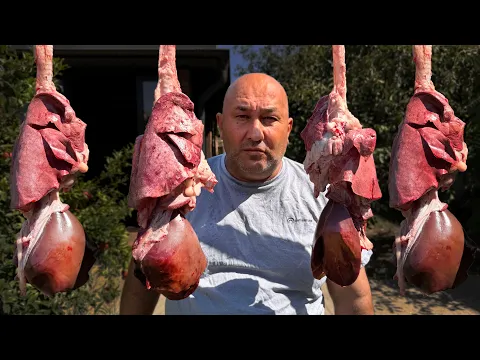
14:10Not Shashlik, But a BOMB! Juicy Liver Roll in Fat on the Grill
 1:07
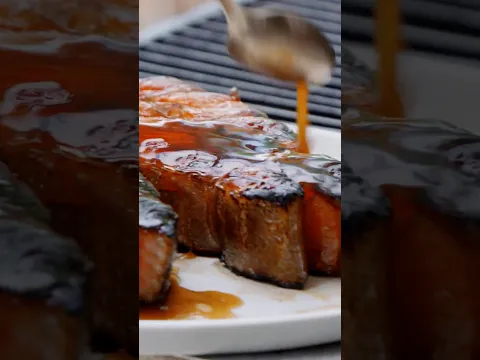
1:07Is this the Ribeye of Salmon steaks?
 8:42
8:42