Technique

Grilling & Fire

Mastering live fire, embers, wood smoke, and heat control on the line. Technical guides and chef-tested grilling methods for the professional kitchen.

Cooking with live fire isn't about raw power; it's about precise temperature management using unpredictable fuel. This section covers the fundamental physics of wood, charcoal, and smoke in a professional kitchen. We focus on the mechanics of heat transfer—how to build distinct direct and indirect zones, manage airflow, and read embers before the first prep item touches the grate.

The line between a perfect charred crust and bitter soot is thin. Chefs need to understand fuel types, from kiln-dried birch and oak to high-density binchotan, and how wood moisture content affects burn rate. You will find practical advice on avoiding common service pitfalls like dirty smoke from choking oxygen flow, and how to tame grease flare-ups without washing out your seasoning.

From hearth building and coal-roasting directly in the embers to smoking and hot-grilling, this hub collects practical, no-nonsense guides on fire management. Here, we share the technical setups, fuel ratios, and recovery steps needed to maintain a consistent hearth through a busy weekend service.

Shorts & reels

Quick hits from the pass

Sixty-second clips — one idea, one trick, no preamble.

Questions from the pass

Grilling & Fire: frequently asked

How to control temperature on a charcoal grill in a commercial kitchen

To manage heat on a solid-fuel line, use a two-zone setup. Keep one side piled with active birch or oak embers at 400°C for searing steaks, and the other side clear for indirect cooking at 150°C. Adjust the air vents by half-inches; choking the intake drops the temperature within ten minutes without smothering the fire.

What is the best wood for smoking beef in a commercial smoker

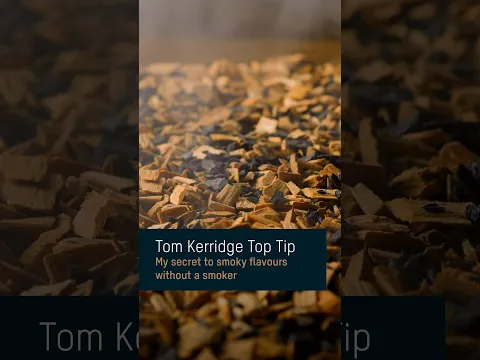
Oak and hickory are the industry standards for beef. Use seasoned kiln-dried English oak with less than 20% moisture content to prevent bitter creosote build-up. For a 4kg beef brisket, maintain a clean-burning fire at 110°C, aiming for a thin, blue smoke profile rather than heavy white clouds over an eight-hour cook.

How do chefs prevent flare ups when grilling fat steaks

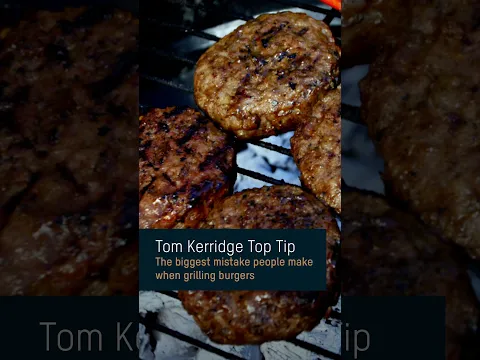
Control flare-ups on high-fat cuts like dry-aged ribeye by trimming external fat caps to 5mm before service. Move dripping meat frequently between the direct embers and an indirect cool zone. Keep a spray bottle of 50/50 water and cider vinegar handy to douse sudden grease flares without dropping the grill grate temperature.

Can you cook vegetables directly on hot coals

Yes, dirty cooking directly on embers works well for thick-skinned vegetables like aubergines and onions. Bury them directly in glowing white-hot birch coals at roughly 300°C. Char the skins completely for 15 to 20 minutes until the flesh collapses, then peel away the burnt outer layer to reveal smoky, steamed interiors.

Do you rest grilled meat on a warm rack or solid tray

Always rest grilled meat on a wire rack over a tray in a warm holding cabinet set to 55°C. This allows hot air to circulate, keeping the crust crisp. For a 300g ribeye, rest for a minimum of eight minutes, allowing the core temperature to carry over by 3°C to 5°C.

The library is just the prep work

Step off the pass. Join the network.

A free account on The Chef's Circle app gets you a professional portfolio, a way in with chefs and kitchens across our 1.6 million-strong following, and a cut of the ad revenue on the content you make.