Home Cook Burger🍔 vs Pro Chef Burger👨🍳
26 August 2026 · 1:41 watch
Advertisement
Discover the critical culinary differences in grind handling, surface heat management, and structural assembly that separate a standard home-cooked burger from a professional kitchen masterpiece.
Key takeaways
- Keep handling of the minced beef minimal to avoid a dense, rubbery texture.
- Season the patty generously on the exterior immediately before cooking rather than mixing salt into the meat.
- Use a high-surface-heat vessel like cast iron to develop a rich, deeply caramelised crust.
- Toast the buns in fat to build a structural barrier against moisture and prevent sogginess.
When dissecting the differences between a domestic burger and one executed by a professional chef, the contrast lies not in exotic ingredients, but in the precision of basic techniques. A home cook often treats a burger as a simple assembly job, whereas a professional chef approaches it as an exercise in heat transfer, protein structure, and structural kitchen engineering.
Maximising the Maillard Reaction
At the heart of any professional burger is the crust. While domestic cooks often overcrowd a tepid pan or press the juices out of the patty midway through cooking, a chef understands pan-searing dynamics. Achieving a deep, caramelised crust requires a highly seasoned, high-fat blend—typically an 80/20 lean-to-fat ratio—placed onto a ripping hot, dry surface like cast iron or a heavy-duty steel plancha. The patty should remain untouched until a robust crust forms, locking in moisture and providing that essential textural contrast. Flipping must be timed perfectly, followed immediately by cheese application to melt under a cloche.
Seasoning and Bind Dynamics
Another critical divergence point is meat handling. Home cooks frequently overwork the minced beef, mixing salt directly into the grind, which draws out proteins and results in a dense, sausage-like texture. A professional hand handles the meat as minimally as possible to keep the grind loose and light. Seasoning is applied generously but exclusively on the exterior of the patty just before it hits the heat. This preserves the tender, crumbly texture of the beef while forming a highly seasoned crust that defines a premium burger.
Engineering and Moisture Barriers
A major pitfall in domestic burger assembly is the soggy bottom bun. Professionals mitigate this by toasted bun engineering. Toasting the bun in beef fat or clarified butterClarified ButterButter from which water and milk solids have been removed, leaving predominantly butterfat. creates a physical barrier against meat juices. Furthermore, the strategic placement of sauces and green leaves acts as an additional shield. Every component, from the sharpness of the pickle to the melt of the cheese, must be balanced to cut through the rich beef fat, ensuring the final build holds its integrity from the pass to the table.
Questions from the pass
Frequently asked questions
Why does a home cook's burger patty often shrink and dome in the middle?
Doming occurs when the meat fibres contract rapidly under high heat. Professional chefs prevent this by creating a slight indentation in the centre of the raw patty before cooking, which naturally levels out as the proteins tighten during cooking.
What is the ideal fat-to-lean ratio for a professional burger?
A ratio of 80% lean meat to 20% fat is generally considered the industry standard for a juicy patty. This provides enough fat to baste the beef as it cooks on the plancha, ensuring a moist texture without making the bun greasy.
When should salt be added to the burger meat?
Salt should only be applied to the exterior of the patty immediately before it hits the hot pan. Salting the meat beforehand dissolves proteins and creates a sticky, dense texture more akin to sausage than a tender burger.
How do you prevent the bottom bun from getting soggy?
You prevent sogginess by creating a moisture barrier. Toast the bun cut-side down in butter or beef fat to crisp the surface, and place a layer of fat-based sauce or lettuce beneath the patty to shield the bread.
Why is cast iron preferred over non-stick pans for cooking burgers?
Cast iron retains heat significantly better than non-stick pans, allowing for rapid crust formation. This intense heat is crucial for triggering the Maillard reaction, which gives the burger its characteristic savoury, caramelised exterior.
Main ingredients
Original video by Danny Kim. This overview is written independently by The Chef's Circle editorial desk — watch the original on YouTube.
Keep reading
Related from the Community
 5:28
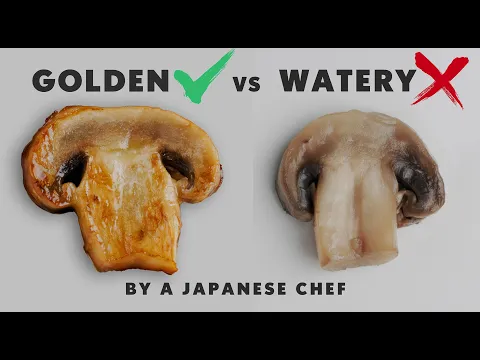
5:28Stop Adding Oil First—This Makes Mushrooms Golden Brown | Japanese Chef
 3:00
3:00Steak and egg on 1 steel pan
 47:23
47:23Jamie Oliver's Chicken Recipes & Ideas To Try This Weekend
 0:27
0:27How To Fry The Perfect Steak #howto #shorts
 13:46
13:469 astuces pour améliorer facilement tous vos plats dès maintenant
 1:38
1:38