Technique

Pan Searing

Master the science of pan searing with professional guides on heat control, moisture management, and crispy skin techniques from top chefs.

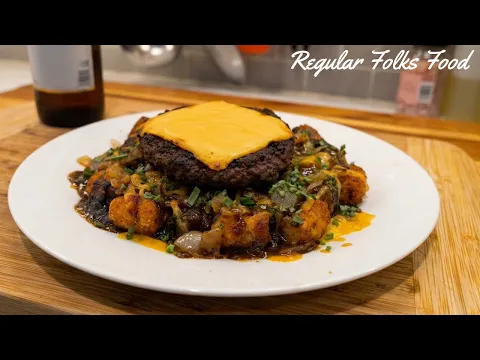
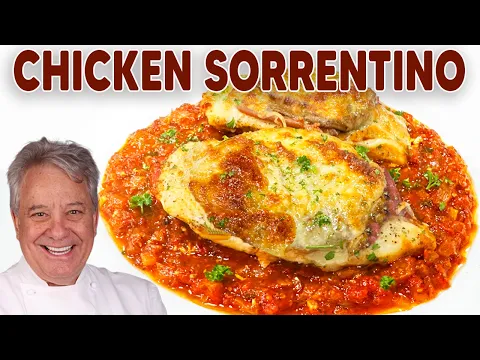
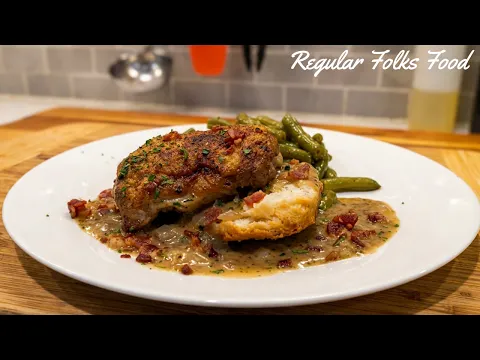
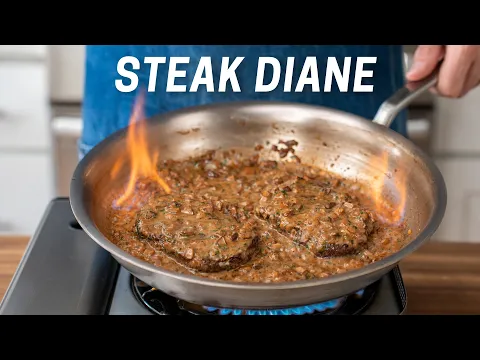
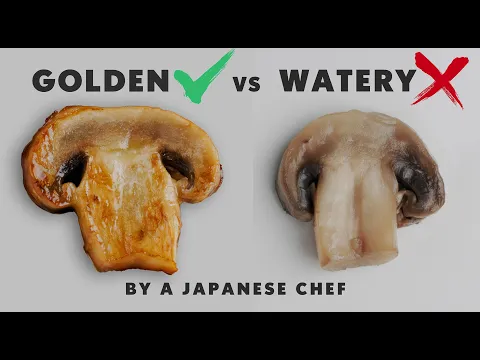
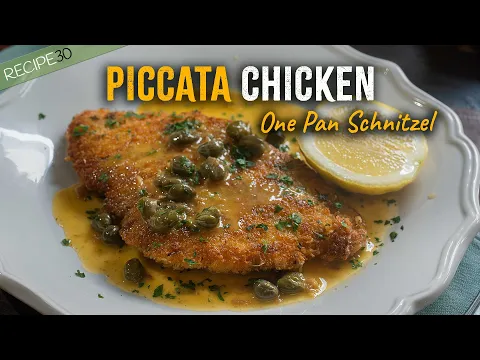
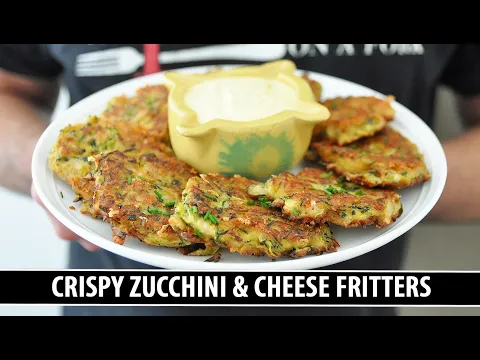
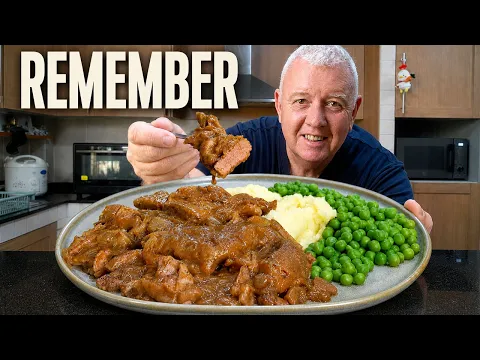
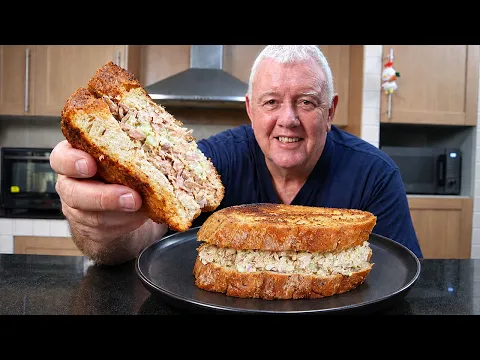
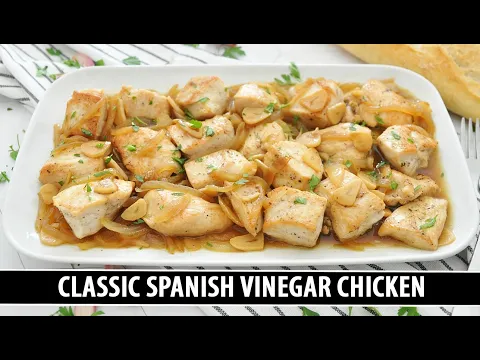
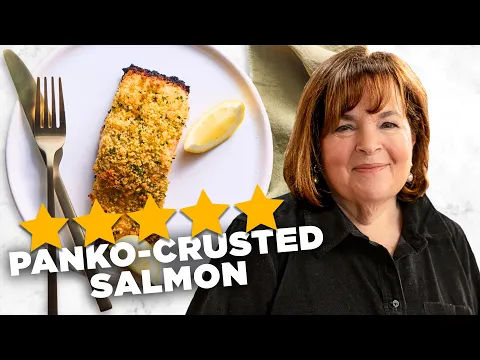
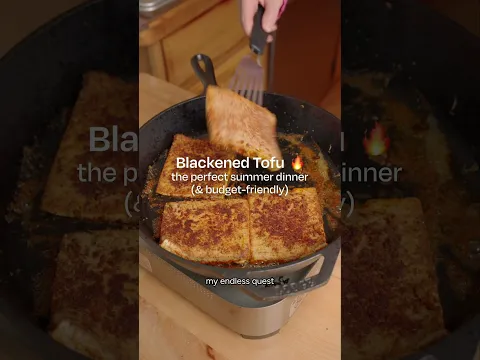
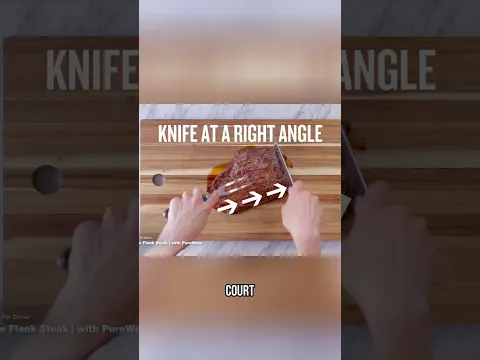
Getting a perfect sear is about moisture control and temperature management. Whether you are working with proteins or vegetables, dropping wet ingredients into a lukewarm pan ruins the texture and kills the colour. This collection gathers professional techniques for mastering the pan, from high-heat frying to precision temperature control. Understanding when to use screaming high heat and when to start cold is what separates a line cook from a chef.\n\nYou will find breakdown guides covering everything from Gordon Ramsay's kitchen tips to SAMUKICHI's lessons on perfect salmon and chicken breasts. Learn why starting chicken thighs in a cold pan yields superior crispy skin, how to fry Greek-style zucchini without it absorbing excess grease, and the precise balance of steaming and searing required for authentic Japanese gyoza.\n\nWe also cover high-heat wok techniques like Jet Tila's Thai basil chicken and classic restaurant builds like Bon AppƩtit's chicken parmesan. Stop steaming your meat, master your fat-to-protein ratios, and control your heat to deliver consistent texture on every plate.

Shorts & reels

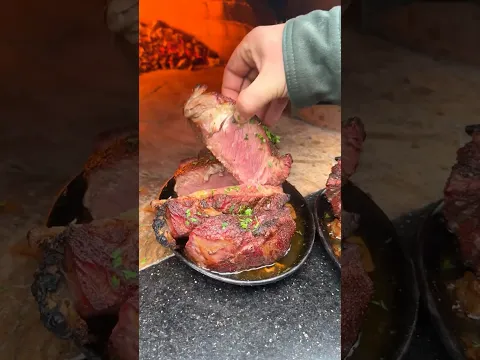
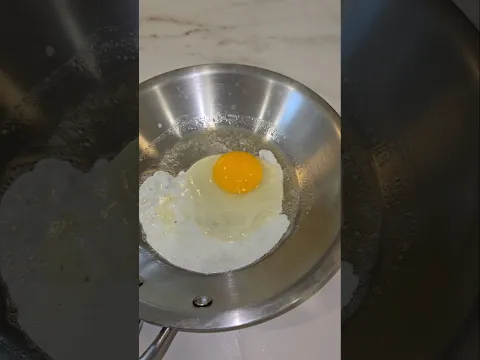
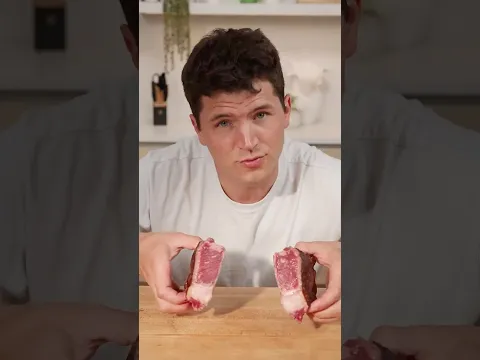
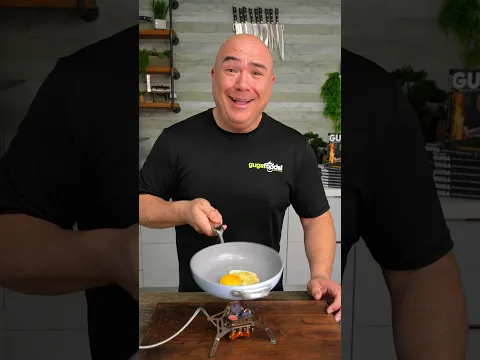
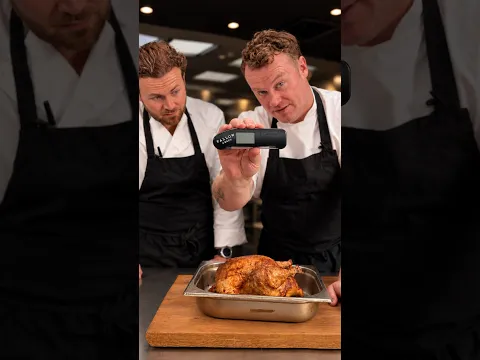
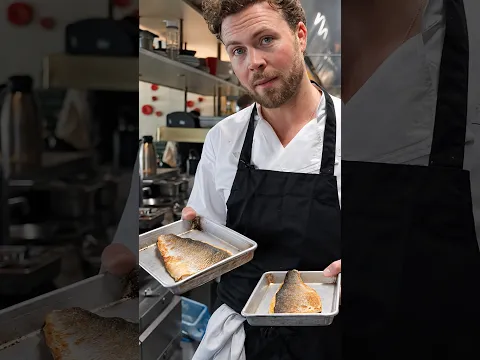
Quick hits from the pass

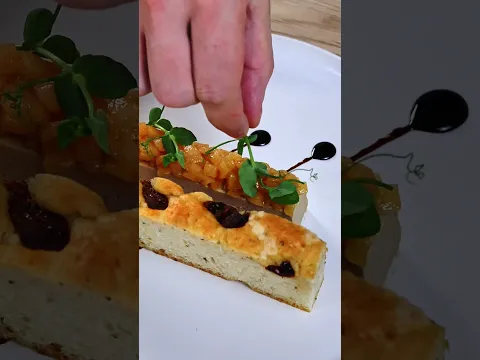
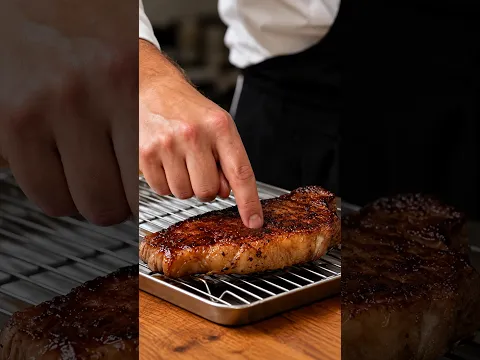
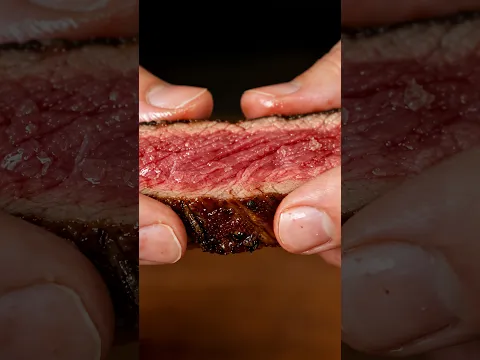
Sixty-second clips — one idea, one trick, no preamble.
Questions from the pass

Pan Searing: frequently asked

Why does fish skin stick to the pan?

This is usually caused by residual moisture or premature turning. Pat the skin dry with kitchen paper, salt it, and use a heavy-based blue steel or cast-iron pan. Heat oil until it reaches shimmering point at 190°C before adding the fish skin-side down. Press firmly for 10 seconds, then leave for 3 minutes until the proteins naturally release.

How do you get a hard sear on scallops without overcooking them?

Dry the scallops thoroughly on J-cloths overnight in the fridge. Use a dry, smoking-hot cast-iron pan with a high-smoke-point oil like rapeseed oil heated to 200°C. Sear the presentation side for exactly 90 seconds to build a golden crust, flip, add 15g of unsalted butter, and baste for just 30 seconds before removing immediately.

Should you oil the steak or the pan when searing?

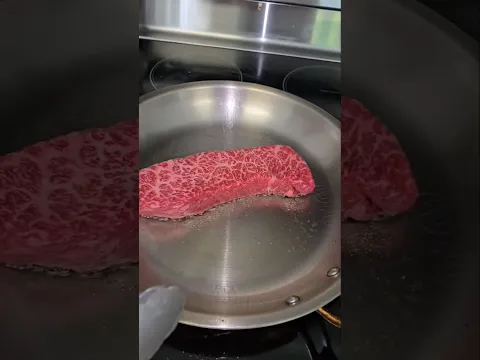
Oil the steak, not the pan. Rubbing a light coat of rapeseed oil directly onto the seasoned meat ensures even coverage and prevents the oil from smoking and burning in an empty pan. Get the dry pan to 220°C before adding a 250g ribeye, searing for two minutes per side for medium-rare.

Why is my meat turning grey when searing?

Greying occurs when surface moisture boils instead of caramelising, caused by overcrowding or low heat. Keep pan coverage below 70% to allow steam to escape. Ensure the pan is preheated to at least 200°C. For wet-aged beef, pat dry and salt just before cooking, or dry-brine uncovered in the cold room for 12 hours.

When should you add butter when pan searing?

Add butter during the last 60 to 90 seconds of cooking. Butter burns at 150°C due to milk solids, so adding it too early ruins the crust. Once the meat or duck breast is flipped, drop in 30g of cold unsalted butter, garlic, and rosemary. Tilt the pan and continuously spoon the foaming butter over to baste.

The library is just the prep work

Step off the pass. Join the network.

A free account on The Chef's Circle app gets you a professional portfolio, a way in with chefs and kitchens across our 1.6 million-strong following, and a cut of the ad revenue on the content you make.