Better Than You Think – Tuna Pasta in 3 Minutes
15 August 2026 · 3:22 watch
Advertisement
Discover how to transform a simple tuna pasta into a premium, service-ready Italian dish in under four minutes. This professional guide highlights the precise pan-work, timing, and unique rosemary oil finish needed to lift fresh tuna loin.
Key takeaways
- Using fresh tuna loin instead of tinned alternatives lifts the dish to a premium restaurant standard.
- Precise ingredient sequencing prevents the delicate fresh tuna from overcooking and drying out.
- Deglazing with white wine and combining with starchy pasta water is essential for a velvety pan emulsion.
- Finishing with an infused rosemary oil provides a sophisticated, modern twist that balances the rich fish.
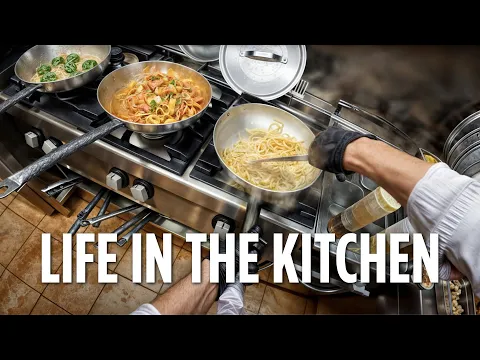
In busy commercial kitchens, the ability to execute an à la minute pasta dish with speed, precision, and consistency is a vital skill. Denis Prokopyev’s first-person perspective demonstration of a fresh tuna pasta—utilising thick Calamarata rings, though spaghetti remains an excellent alternative—redefines a preparation that is too often dismissed as simple home cooking. By swapping out standard tinned fish for fresh, premium tuna loin and balancing it with classic Mediterranean pantry staples, this recipe easily transitions onto high-volume bistro or modern Italian menus.
Speed, Timing, and Temperature Control
The success of this rapid preparation relies entirely on temperature management and precise ingredient sequencing. Unlike slow-simmered seafood sauces, this dish demands a hot pan and swift execution to preserve the delicate texture of the fresh fish. Chefs will benefit from observing the behaviour of the Datterini tomatoes, which break down rapidly under high heat to release their natural sugars, forming a vibrant, jammy foundation for the sauce. The inclusion of Taggiasca olives and caper fruits adds immediate complexity, delivering sharp, briny pops of acidity that cut through the richness of the olive oil.
The primary pitfall in this dish is overcooking the fresh tuna. Fresh loin dries out incredibly quickly when subjected to prolonged heat. To counteract this, the tuna must be added late in the process or cooked just until external colour develops. Deglazing the pan immediately with dry white wine is a critical step; this action halts the frying process, lifts the caramelised fondFondThe browned residue left in a pan after searing or roasting. from the base of the pan, and creates the steam necessary to begin building the emulsion.
Mastering the Pan Emulsion and Finishing Oil
Achieving a glossy, restaurant-grade cling requires proper pan-tossing technique. By combining the starchy cooking water from the pasta with the rendered olive oil, white wine, and tomato juices, you create a velvety emulsion that coats every ring of pasta without the need for heavy cream.
The definitive signature of this dish is the final drizzle of cold-infused rosemary oil. While rosemary is traditionally paired with game or roasted meats, its piney, resinous notes act as an unexpected bridge to the meaty, robust flavours of the fresh tuna. Preparing this oil ahead of service offers a high-impact finish that lifts a quick assembly into a memorable, contemporary plate.
Questions from the pass
Frequently asked questions
Why choose fresh tuna over high-quality tinned tuna for this pasta?
Fresh tuna loin provides a superior, meaty texture and clean flavour profile that lifts the dish to a professional standard. Unlike tinned tuna, which can easily disintegrate and become dry, fresh tuna can be cooked precisely to retain its succulence, offering a premium bite that justifies a higher menu price point.
How do you prevent the fresh tuna from drying out during this rapid cook?
To keep the tuna succulent, introduce it late in the cooking process and ensure your pan temperature is well-regulated. Deglazing immediately with white wine lowers the pan temperature, preventing the tuna from overcooking while allowing it to gently finish in the steam of the emulsifying sauce.
What role does the rosemary oil finish play in this seafood dish?
While rosemary is traditionally paired with meats, its robust, piney aroma cuts through the natural oiliness of the fresh tuna. Infusing it into high-quality olive oil provides a clean, herbaceous finish that modernises the dish, lifting the overall flavour profile beyond standard Italian pasta recipes.
Why are Datterini tomatoes preferred over larger tomato varieties?
Datterini tomatoes are selected for their high sugar content, thin skins, and low water ratio. This allows them to collapse rapidly in a hot pan, releasing sweet juices that quickly emulsify with the olive oil to form a clingy, glossy sauce without requiring a long simmer.
Original video by Denis Prokopyev. This overview is written independently by The Chef's Circle editorial desk — watch the original on YouTube.
Keep reading
Related from the Community
 54:10
54:10POV: Head Chef at a Italian Restaurant
 10:40
10:40I Tried a MICHELIN STARRED PASTA Restaurant
 47:17
47:17POV: INSIDE A BUSY ITALIAN RESTAURANT DURING DINNER SERVICE
 16:40
16:40The RESTAURANT That Made HISTORY for Me (105-Year-Old Wine & The Best Pasta Dish Ever)
 2:59
2:59The Best Ragu You’ll Ever Make
 19:42
19:42