And things have only just begun 🤣💀
17 September 2026 · 0:53 watch
Advertisement
Discover how the intense environment of high-stakes television baking can teach professional pastry chefs valuable lessons in structural integrity, time management, and precision under pressure.
Key takeaways
- Prioritise structural integrity by using dense cake bases and food-safe internal dowels for large-scale themed showpieces.
- Utilise blast chillers and precise gelatin-to-liquid ratios to ensure multi-layered inserts set correctly under tight time constraints.
- Stick to mastered, classic pastry recipes rather than introducing unproven techniques when working against a strict deadline.
- Maintain a rigorous mise en place to ensure all molds, colorants, and sculpting tools are immediately accessible during assembly.
The high-stakes arena of competitive television baking provides crucial insights for professional pastry chefs operating in high-volume, commercial environments. While the dramatic presentation styles seen in seasonal showcases like the Halloween Baking Championship are tailored for entertainment, the core pastry principles required to succeed remain remarkably consistent. Chefs must deliver impeccable flavours while executing complex, structurally sound showpieces under strict time constraints. ## Structuring Themed Pastry Showpieces Designing dessert displays that tell a story requires a balance of structural engineering and classical pastry technique. When executing complex, gravity-defying structures, relying solely on standard sponges and light buttercreams often leads to structural failure on the pass. Chefs must utilise dense, stable bases such as Madeira or mud cakes for structural support, reserving lighter elements for upper tiers. Furthermore, internal support systems, including food-safe dowels and central armatures, are non-negotiable for large-scale displays. The challenge lies in ensuring these structural elements remain entirely hidden from the final presentation while maintaining a clean, professional finish. ## Flavour Profiles Under Time Constraints Time management is the ultimate pitfall in any competitive or high-pressure kitchen setting. Under strict deadlines, chefs often make the mistake of overcomplicating their flavor profiles, leading to muddy combinations or unfinished elements. Success relies on executing classic, high-impact components flawlessly. Gelatin-set inserts, rapid-cooling techniques using blast chillers, and precise ingredient ratios ensure that multi-layered desserts set correctly before assembly. Rather than attempting untested experimental techniques on the flyOn the FlyKitchen shorthand for a dish required immediately, ahead of its normal ticket position., relying on mastered, scalable recipes for curds, compotes, and mousses guarantees a consistent texture and balanced sweetness. ## Precision and Visual TemperingTemperingControlled heating and cooling of ingredients, particularly chocolate, to create the desired crystalline structure. Maintaining composure and precision during service is what separates professional pastry chefs from amateurs. The fast-paced environment demands a systematic approach to mise en placeMise en PlaceFrench for "everything in its place"; the preparation and organisation completed before service.. Every tool, colorant, and mould must be organised beforehand to prevent unnecessary delays. When working with chocolate work, sugar work, or delicate mirror glazes, exact temperatures are critical. Even a minor deviation can ruin the shine or structural integrity of the final piece, highlighting why culinary discipline and absolute focus are essential under pressure.
Questions from the pass
Frequently asked questions
How do you ensure large-scale pastry showpieces remain structurally stable?
To ensure stability in large pastry showpieces, you must use a dense cake base like a Madeira cake combined with food-safe internal support dowels. Avoid using light, airy sponges for lower tiers as they cannot bear the weight of heavy decorations or upper layers.
What is the best way to rapidly set multi-layered desserts under tight deadlines?
The most effective method is using a blast chiller alongside precise gelatin-to-liquid ratios. This setup allows gelées, mousses, and creameux layers to firm up quickly, enabling clean assembly and preventing different flavor profiles from bleeding into each other during plating.
How should a pastry chef manage flavour profiles when time is limited?
Chefs should focus on executing three or four high-impact, classic flavor components flawlessly rather than overcomplicating the plate. Relying on reliable, pre-tested recipes for curds, compotes, and stable buttercreams ensures consistent quality and balanced sweetness within tight limits.
Why is precise temperature control critical for themed decorations?
Precise temperature control is essential because elements like tempered chocolate, poured sugar, and mirror glazes rely on exact crystal structures to set correctly. Deviating by even a few degrees can result in lost shine, blooming, or structural collapse when assembling final decorative details.
Original video by Food Network. This overview is written independently by The Chef's Circle editorial desk — watch the original on YouTube.
Keep reading
Related from the Community

LIVE: Food Network Chefs' Cozy Fall Recipes 🍂 Ree Drummond, Ina Garten, Molly Yeh & More!
 9:41
9:41Apple "Cider Bath" Cinnamon Rolls | Easy No-Knead Dough | Food Wishes
 0:17
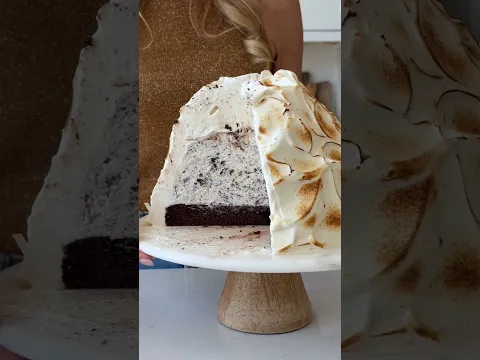
0:17Baked Alaska (My Birthday Cake)
 17:04
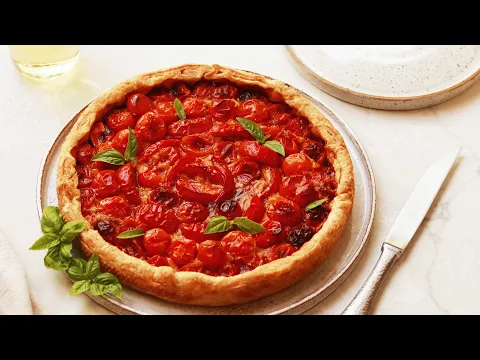
17:04Tomato Tart with Caramelized Onions and Gruyere (2.0)
 0:40
0:40The easiest, fluffiest bread you can make
 2:59
2:59