Every #1 Dish in America 🏆 🍽️ Food Network's Top 10
23 August 2026 · 24:46 watch
Advertisement
Analyze the structural secrets, moisture management, and high-volume prep strategies behind America's top-ranked comfort food staples.
Key takeaways
- Prioritise moisture control and bun-to-patty ratios to maintain structural integrity in high-fat burgers.
- Manage the wood-fire cook precisely to guide collagen-heavy meats through the temperature stall phase.
- Build resilient brunch prep systems around stable emulsions and high-performance batters that hold up under pressure.
- Counteract palate fatigue in rich noodle broths and sweet desserts with acidic, bitter, or salty elements.
When Food Network ranks the ultimate iterations of American staples, they are not just looking at hype; they are looking at structural execution. For professional chefs, analyzing these top-tier dishes—spanning pizza, burgers, barbecue, brunch, noodles, and desserts—reveals how simple concepts are refined into benchmark standards. The lesson here is not about using rare ingredients, but about mastering fundamental ratios and managing high-volume consistency.
Take the burger and pizza categories, for example. The best examples succeed because of moisture management and structural integrity. A top-tier burger relies on the precise fat-to-lean ratio of the grind, ensuring the patty remains juicy without waterlogging the bun. For pizza, it is about yeastYeastA microorganism used to ferment sugars and produce carbon dioxide, particularly in bread-making. fermentationFermentationA biological process in which microorganisms transform sugars and other compounds, creating acidity, gas, alcohol or complex flavours. and heat transfer—achieving a crust that carries structural strength while maintaining a light, airy crumb. In both cases, the chef's role is to balance texture so that every bite delivers a uniform mix of fat, acid, and carbohydrate.
Precision in Smoke and Batter
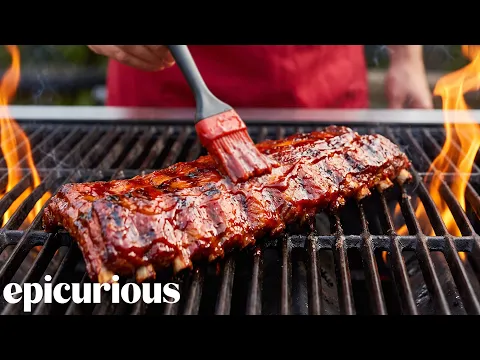
In barbecue and brunch, the challenge shifts to temperature control and prep efficiency. Top-ranked barbecue is built on wood-fire management and the stalling phase of low-and-slow cooking. Chefs must understand how smoke penetrates collagen-rich cuts to renderRenderTo slowly heat fatty tissue so that its fat melts away. fat without drying out the exterior. For brunch, where kitchens face intense, condensed morning rushes, the secret lies in bulletproof prep. It is about perfecting emulsified sauces like hollandaiseHollandaiseA warm emulsion of egg yolks, butter and an acidic component. that can hold their structure on the pass, or engineering batters that yield crispy exteriors and fluffy interiors under pressure.
Sweet and Savoury Balance in Noodles and Pastry
The noodle and dessert segments highlight the importance of depth and contrast. The ultimate noodle dishes rely on highly concentrated broths or emulsions that cling to the starch. Achieving this requires precise emulsification of fats and cooking liquids. In pastry, the focus is on sugar control. The best desserts balance sweetness with salt, bitterness, or acidity to prevent palate fatigue. Ultimately, these top-tier dishes show that success relies on rigorous attention to detail, smart prep systems, and a deep understanding of how textures interact on the plate.
Questions from the pass
Frequently asked questions
How do top kitchens maintain structural integrity in high-fat burgers?
Top kitchens achieve this by controlling the fat-to-lean ratio of the grind, usually aiming for 80/20, and properly toasting the bun. This prevents excess grease from rendering out too quickly and making the bread soggy during service.
What is the key to preventing hollandaise from splitting during a busy brunch service?
Maintaining a stable temperature is critical for keeping hollandaise intact. Chefs use warm holding baths or thermal flasks to keep the emulsion between 50°C and 60°C, preventing the butter from separating or the egg yolks from scrambling.
How do pitmasters manage the stall phase in low-and-slow barbecue?
Pitmasters navigate the stall by wrapping the meat in butcher paper or foil once the bark has set. This technique, known as the Texas crutch, traps steam and accelerates cooking past the temperature plateau.
Why is dough hydration critical for high-volume pizza operations?
Dough hydration dictates the oven spring and texture of the crust. A hydration rate of 60% to 65% ensures the dough is workable by hand while still retaining enough moisture to puff up rapidly in a high-heat oven.
How do chefs balance heavy noodle broths to keep them palatable?
Chefs balance rich, collagen-heavy broths by incorporating sharp acids, fermented pastes, or alkaline noodles. These components cut through the heavy fats, cleansing the palate between bites and encouraging customers to finish the dish.
Original video by Food Network. This overview is written independently by The Chef's Circle editorial desk — watch the original on YouTube.
Keep reading
Related from the Community
 10:12
10:12I Tried to DETHRONE YouTube’s #1 Steak Video
 0:53
0:53HOT PLATE 🔥 Hausu - BBQ pork collar #bbq #chef #london #londonrestaurants #restaurant #pork#cheflife
 19:27
19:27Authentic Uzbek Plov That ALWAYS Turns Out Perfect and Delicious!
 14:10
14:10Not Shashlik, But a BOMB! Juicy Liver Roll in Fat on the Grill
 1:07
1:07Is this the Ribeye of Salmon steaks?
 8:42
8:42