We Ate 100-Year-Old Food from Every War!
15 August 2026 · 25:23 watch
Advertisement
Guga Foods takes a journey through culinary history by sampling military rations from the last century, revealing how preservation techniques, lipid oxidation, and packaging materials affect food over decades of storage.
Key takeaways
- Fat is the primary point of failure in long-term preservation, leading to severe rancidity and soapy off-flavours over time.
- Dehydrated, low-moisture starches and high-sugar items exhibit the greatest structural and flavour stability over decades.
- Container material integrity is crucial, as older metal cans without protective linings suffer from chemical leaching that alters food flavour.
- Modern retort pouch technology represents a massive leap forward from early 20th-century canning, keeping meals chemically stable for longer.
In this compelling historical tasting, Guga Foods steps away from the modern kitchen to examine how food fares over decades of storage. By sampling military combat rations and canned goods spanning up to a century of warfare, the episode provides culinary professionals with a unique, real-world case study in extreme preservation. Rather than cooking from scratch, this episode acts as a sensory archive, demonstrating how structural integrity and flavour profiles shift over generational timelines. For chefs interested in preservation, curing, and long-term storage, understanding the structural and sensory limits of vintage food science offers valuable insight into ingredient breakdown.
The Science of Extreme Preservation
The journey through military culinary history highlights the rapid progression of food preservation techniques. Early 20th-century rations relied heavily on rudimentary canning and dense, dehydrated starches like hardtack, which prioritised caloric survival over organoleptic quality. As the decades progressed, the introduction of specialised canning linings, freeze-drying, and eventually the modern Meal, Ready-to-Eat (MRE) retort pouch changed the landscape of food technology. For the modern kitchen, this illustrates how oxygen exclusion, moisture control, and thermal processing dictate shelf-life. However, while modern retort pouches excel at keeping bacteria at bay, they still cannot entirely halt the slow chemical changes that degrade the food's appeal over decades.
Sensory Degradation: Fat, Protein, and Time
What actually happens to the flavour profile of food preserved for fifty or one hundred years? The tasting reveals key lessons in lipid oxidationOxidationA chemical process caused by exposure to oxygen that can alter colour, flavour, texture or nutritional properties. and texture breakdown. Fats are the first to succumb, developing a notoriously rancid, soapy, or metallic taste that dominates aged canned meats. Proteins often lose their structure, turning mushy or, conversely, unpalatably dry and fibrous.
Additionally, the metallic leaching from older tin cans serves as a cautionary tale regarding container materials; modern food-grade lacquers are essential to prevent chemical interactions between acidic ingredients and metal packaging. In contrast, highly refined starches and high-sugar elements—such as vintage biscuits and confectionery—fare significantly better, showing remarkable stability when kept completely dry. This stark difference underscores a vital rule for preservation-focused chefs: when designing items for long-term storage, fat content must be carefully managed, as unstable lipids are the primary driver of off-flavours.
Questions from the pass
Frequently asked questions
Why do fats spoil faster than starches in long-term food preservation?
Fats are highly susceptible to lipid oxidation, a chemical reaction with oxygen that breaks down fatty acids into volatile compounds. This process causes the characteristic rancid, soapy, or metallic off-flavours often found in vintage preserved meats. In contrast, dry starches lack the moisture and reactive chemical bonds necessary for rapid degradation, making them far more stable over decades.
What is the main culinary risk of consuming canned food that is decades old?
The primary risks are chemical contamination and bacterial spoilage. Over time, acidic foods can corrode the inner metal lining of the can, leading to heavy metal leaching. Furthermore, if the seal was compromised or the original thermal processing was insufficient, deadly pathogens like Clostridium botulinum can thrive in the anaerobic environment.
How does moisture control affect the shelf-life of dehydrated military rations?
Moisture control is critical because water activity dictates microbial growth and chemical reaction rates. By reducing water activity below a certain threshold, bacteria and moulds cannot reproduce. This is why historical starches like hardtack can remain structurally intact and microbiologically safe for over a century, provided they are kept in airtight, dry environments.
What can modern chefs learn from historical military canning methods?
Historical methods highlight the absolute necessity of modern food-grade can lacquers and vacuum sealing. Chefs experimenting with preservation must ensure their containers do not react chemically with the ingredients. It also demonstrates that while canning ensures microbiological safety, it does not stop thermodynamic degradation; flavours and textures will still change over time.
Original video by Guga Foods. This overview is written independently by The Chef's Circle editorial desk — watch the original on YouTube.
Keep reading
Related from the Community
 13:54
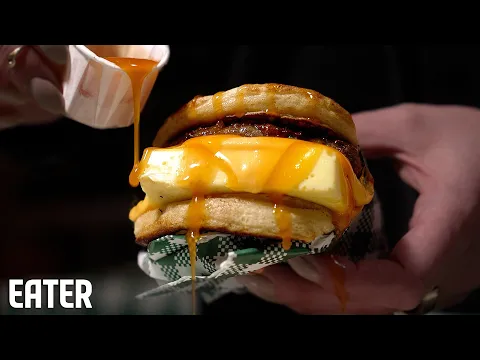
13:54The McDonald's-Inspired Breakfast Sandwich That Took Over Philly — Most-Ordered
 17:46
17:46I Don’t Know Where This Is Going
 13:01
13:01What Happens If the Power Stays Off for 30 Days?
 76:37
76:37Mysterious Videos That Will Break Your Reality!
 19:05
19:05The Most Delicious Adjika! We've Been Making It for 30 Years
 26:42
26:42