Technique

Preservation

Practical guides and professional techniques for food preservation, from commercial dehydration to curing, designed for busy restaurant kitchens.

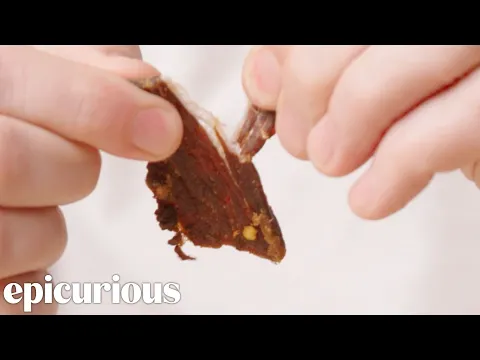
Preservation is more than just a way to stop food going bad; it is a fundamental kitchen discipline that builds depth of flavour and manages prep waste. In a busy service environment, mastering water activity, pH levels, and salt ratios is just as critical as temperature control. Whether you are salt-curing heritage pork or pickling seasonal brassicas, precise execution determines the line between a complex, umami-rich component and a spoiled batch.\n\nThis section gathers practical advice and technical breakdowns for modern back-of-house operations. You will find detailed guides on dry preservation, including our comprehensive guide to food dehydrators, which covers temperature settings and airflow control for drying everything from citrus wheels to beef jerky. We also feature insights from specialists like City Prepping to help you build a reliable, safe preservation setup. Keep your ratios exact, monitor your humidity, and use these resources to extend your larder's shelf life.

Shorts & reels

Quick hits from the pass

Sixty-second clips — one idea, one trick, no preamble.

Questions from the pass

Preservation: frequently asked

What is the safe ratio of Prague Powder #2 for curing salami?

For dry-cured sausages like salami, use Prague Powder #2 at a ratio of 2.5g per 1kg of meat (0.25%). Combine this with 25g to 30g of sea salt per kilogram. This ensures safe botulism prevention during long-term air drying. Maintain the curing chamber at 12–15°C and 75% relative humidity.

How do you dehydrate citrus slices for drink garnishes without them turning brown?

Slice lemons or limes to 2mm using a mandoline. Dip them in a 10% sugar syrup containing 1% ascorbic acid to prevent oxidation. Dehydrate on trays at 55°C for 12 to 14 hours until completely brittle. Store immediately in airtight containers with silica gel packs to prevent moisture reabsorption.

What salinity percentage should be used for lacto-fermented plums?

Use a 2.5% salt ratio based on the total weight of the plums and water. For dry salting, weigh the halved plums and toss with 2.5% fine sea salt before vacuum packing. Ferment at 18–22°C for five to seven days until slightly fizzy and tart, perfect for pairing with roast duck.

Is it safe to store garlic in oil in a restaurant kitchen?

Garlic in oil poses a high risk of botulism. To store it safely, acidify the garlic cloves in a 3% citric acid solution for 24 hours before submerging in oil, or keep the non-acidified oil strictly refrigerated below 4°C and discard it within four days. Never leave garlic oil at room temperature.

What is the standard ratio for a quick pickling liquor?

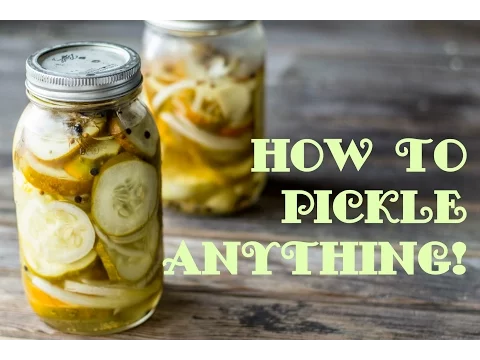
The baseline ratio for quick-pickling vegetables like red onion or cucumber is 3:2:1. Mix three parts vinegar (such as white wine or cider vinegar), two parts water, and one part sugar by weight. Bring the mixture to a boil with 2% salt and aromatics, then pour hot over the sliced vegetables.
The library is just the prep work

Step off the pass. Join the network.

A free account on The Chef's Circle app gets you a professional portfolio, a way in with chefs and kitchens across our 1.6 million-strong following, and a cut of the ad revenue on the content you make.