How To Make A Black Bean Soup | Jamie Oliver
13 September 2026 · 5:16 watch
Advertisement
Learn how to master the balance of texture and acidity in a classic black bean soup with this professional guide inspired by Jamie Oliver's rustic approach.
Key takeaways
- Sweat aromatics slowly to build a sweet base without browning the onions.
- Toast ground spices in hot oil to release volatile aromatics before adding liquids.
- Partially blend the soup to achieve a rustic texture with both a smooth body and whole beans.
- Adjust the heavy, earthy starch of black beans with fresh lime juice right before plating.
Black bean soup is a kitchen workhorse: low-cost, highly adaptable, and naturally plant-based. In this demonstration, Jamie Oliver showcases a straightforward approach to coaxing maximum flavour out of humble pantry staples. For professional kitchens, a well-executed black bean soup offers an exceptional food-cost margin while satisfying the growing demand for hearty, allergen-friendly options on the lunch or prep menu.
Building the Aromatic Base
The foundation of any superior bean soup lies in the initial sofrito or aromatic base. Chefs must focus on slowly sweating finely diced onions, garlic, and fresh chillies to release their natural sugars without letting them colour too deeply. This gentle cook ensures a sweet, savoury undertone that balances the earthy richness of the beans. Introducing ground spices—principally cumin and coriander—directly into the hot fat at this stage toasts the volatile oils, yielding a far more fragrant profile than adding them later in the simmer.
Using quality tinned black beans provides a fast, consistent shortcut for high-volume prep, though dried beans soaked overnight yield a superior texture and richer brothBrothA seasoned liquid produced by simmering meat, vegetables, bones or other ingredients. if prep time allows. When using canned beans, retaining a portion of the canning liquid can help thicken the soup naturally due to the dissolved starches, but this must be balanced with fresh stockStockA liquid made by simmering bones, meat, fish, vegetables or aromatics. to keep the salt levels and overall clarity in check.
Texture and Acid Balance
One of the key technical decisions is texture. Rather than blitzing the soup into a completely smooth, chalky puréePuréeFood processed until smooth by blending, mashing or passing through a sieve., a partial blend is far more appealing on the pass. Ladling out half of the soup, running it through a high-powered blender, and folding it back into the remaining whole beans creates a velvety, thick body with rustic, defined bites.
Finally, black beans are naturally heavy and earthy, meaning they require a sharp counterpoint to wake up the palate. Finishing the soup with fresh lime juice just before service cuts through the heavy starch. Top the bowl with fresh coriander, a drizzle of cold-pressed oil, or a dollop of soured cream to provide a clean contrast in temperature and richness.
Questions from the pass
Frequently asked questions
Can I use dried black beans instead of canned beans for this soup?
Yes, dried black beans can be used and generally yield a richer broth and better texture. You will need to soak them overnight and simmer them until fully tender before starting the soup assembly, adjusting your overall cook times to ensure the beans are soft.
How do I fix a black bean soup that tastes too bland or earthy?
Correct a flat or earthy soup by adding a splash of fresh acid like lime juice or red wine vinegar. Earthy beans require a sharp acidic contrast to brighten the overall flavour profile, and you may also need a pinch of salt to carry the spices.
What is the best way to achieve a rustic but thick texture?
Achieve a rustic texture by blending only half of the soup batch and stirring it back into the pot. This technique releases the starches to thicken the liquid naturally while leaving plenty of whole beans intact for visual interest and varied mouthfeel.
Can this black bean soup be prepped ahead of service?
Yes, black bean soup is an excellent make-ahead dish that actually improves in flavour after sitting overnight in the chiller. Store the base soup cooled, then reheat gently and add fresh herbs and lime juice just before sending it to the pass.
Original video by Jamie Oliver. This overview is written independently by The Chef's Circle editorial desk — watch the original on YouTube.
Keep reading
Related from the Community
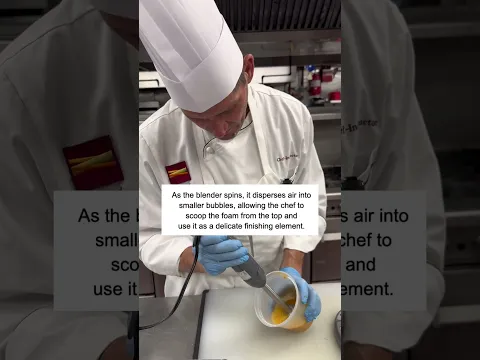 1:11
1:11A little air. A little heat. A lot of technique. 🍑🌿 #ICECulinary #FineDining #CulinarySchool
 6:46
6:46Spanish Chicken in Bravas Sauce | Crazy Delicious One-Pan Recipe
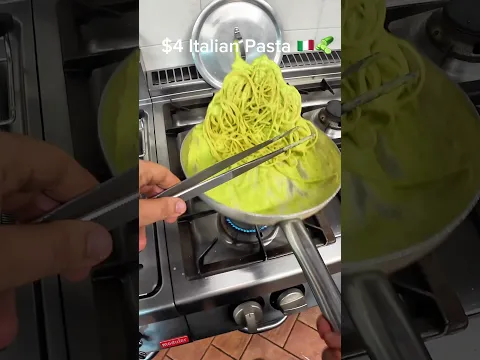 2:43
2:43$4 Creamy Zucchini Pasta 🇮🇹🥒
 5:11
5:11Korean highway reststop potatoes
 11:17
11:17For the Best Scallion Oil Noodles, Use These Two Sauces | America's Test Kitchen
 14:03
14:03