 6:46
6:46Spain on a Fork
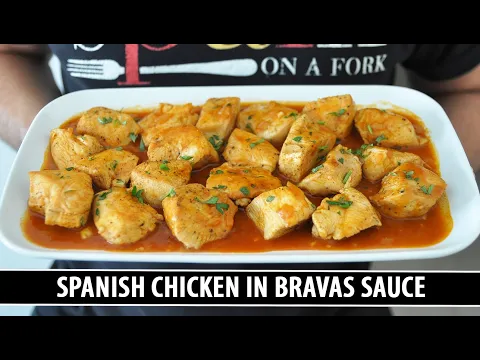
Spanish Chicken in Bravas Sauce | Crazy Delicious One-Pan Recipe
Learn how to adapt Spain's iconic salsa brava into a rich, smoky pan-sauce for chicken in this practical, one-pan kitchen guide.
Technique
Sautéing: hot pan, dry product, room to move. Fast cooking that builds fond and finishes with a pan sauce in the same pan.
Sautéing: hot pan, dry product, room to move. Fast cooking that builds fond and finishes with a pan sauce in the same pan.
6:46Learn how to adapt Spain's iconic salsa brava into a rich, smoky pan-sauce for chicken in this practical, one-pan kitchen guide.
 5:11
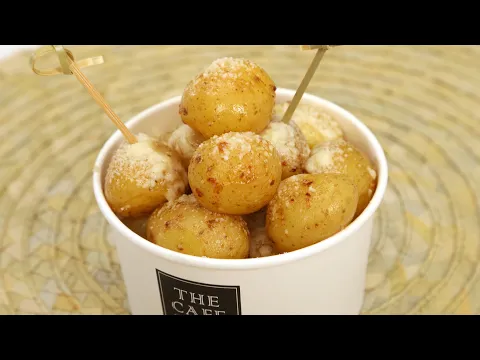
5:11Learn the simple professional techniques behind Korea's famous highway rest stop potatoes (hyugeso gamja), balancing starch control, slow butter-roasting, and a sweet-salty finish.
 11:17
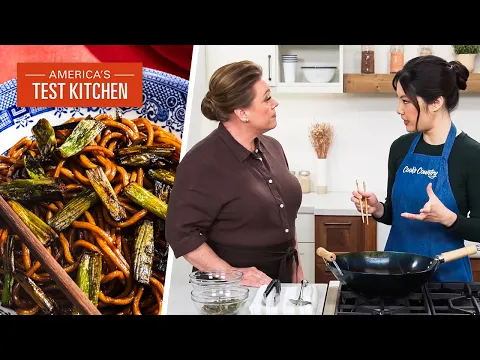
11:17Master the balance of light and dark soy sauces and low-heat wok oil infusion to create authentic, deeply savoury Shanghai scallion oil noodles.
 14:03
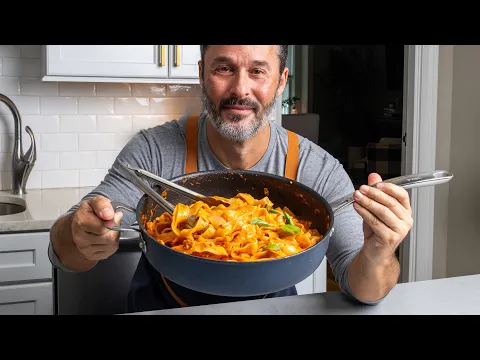
14:03A robust, crowd-pleasing pasta that demonstrates the power of proper deglazing, tomato paste caramelisation, and starch-water emulsification.
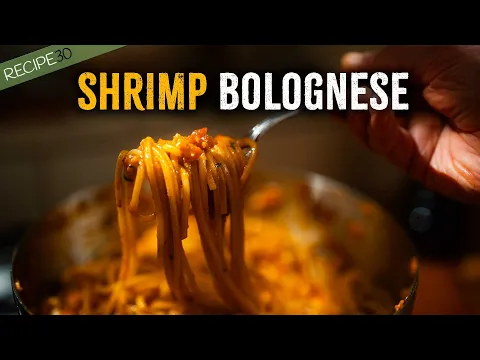 15:38
15:38Transform discarded shrimp shells into a deep, savoury stock to power a rich, dual-texture seafood bolognese that challenges classic meat-based ragùs.
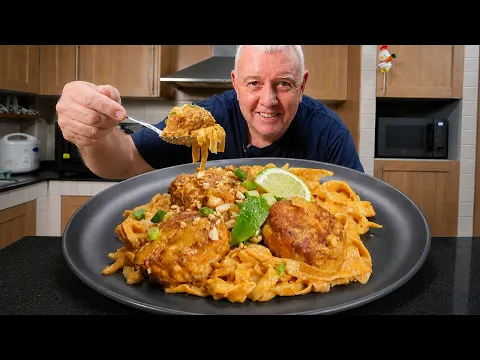 16:27
16:27Discover how to prepare tender chicken meatballs in a rich, one-pan peanut satay sauce using smart moisture-retention and emulsion techniques.
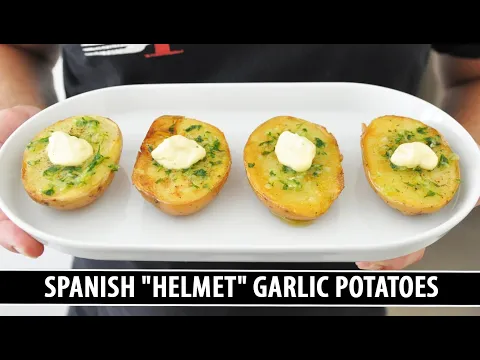 7:11
7:11Learn the professional technique for Cascos de Patatas, the traditional Spanish "helmet" garlic potatoes. This guide breaks down the geometry of the wedge cut, oil temperature control, and the precise timing needed to bloom pimentón and garlic without bitterness.
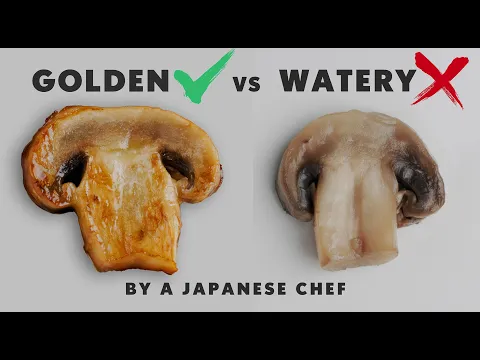 5:28
5:28Stop drowning your mushrooms in oil at the start. Japanese chef Samukichi demonstrates a counterintuitive water-first method that prevents sogginess and guarantees a deeply browned, plump finish.
 7:24
7:24Master the art of authentic Cajun corn maque choux with this professional guide to balancing sweetness, spice, and natural starch textures.
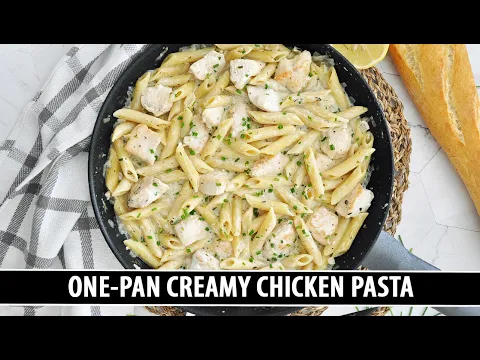 7:15
7:15Discover how to execute a flawless, one-pan creamy chicken pasta using a starch-emulsification technique and a split-free Greek yogurt sauce base.
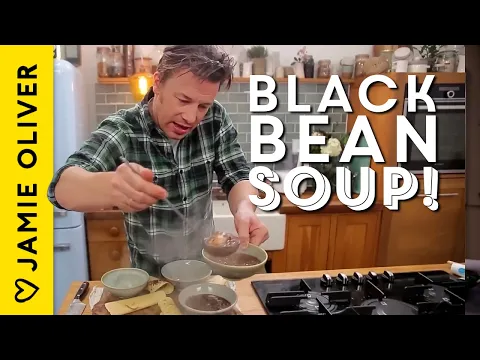 5:16
5:16Learn how to master the balance of texture and acidity in a classic black bean soup with this professional guide inspired by Jamie Oliver's rustic approach.
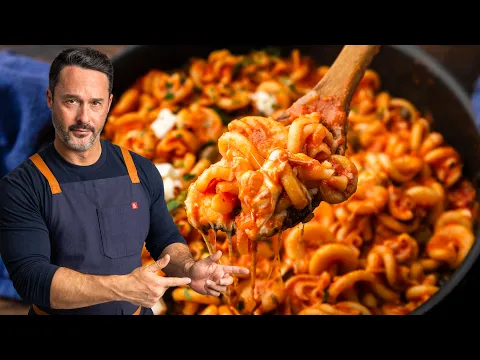 12:59
12:59A professional breakdown of Pasta alla Vesuviana, a rapid-service Neapolitan pasta featuring a robust olive, caper, and tomato sauce finished with melted fresh mozzarella.
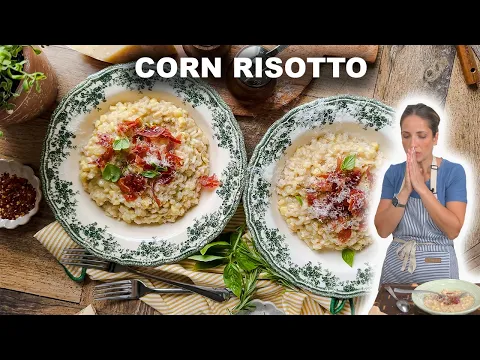 10:05
10:05Learn the essential kitchen techniques to master a seasonal corn risotto, balancing sweet fresh kernels with savoury, crispy prosciutto and a perfect glossy emulsion.
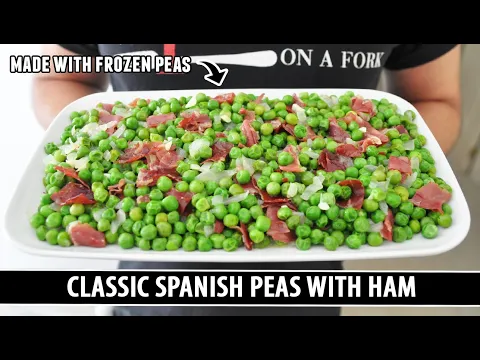 6:14
6:14Discover how to master guisantes con jamón, the classic Spanish tapas dish of sweet green peas cooked with rich cured ham, extra virgin olive oil, and sweet smoked paprika.
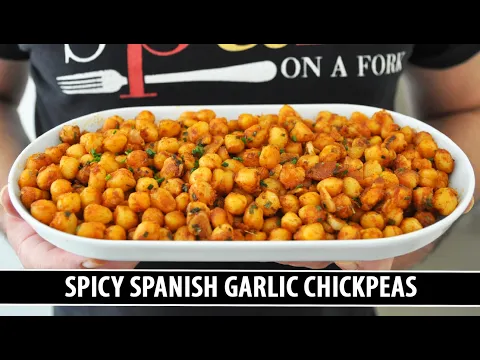 7:03
7:03Learn how to transform humble jarred chickpeas into a rapid, high-margin Spanish tapa. Master the art of blooming smoked paprika and infusing garlic in extra virgin olive oil without risking bitterness.
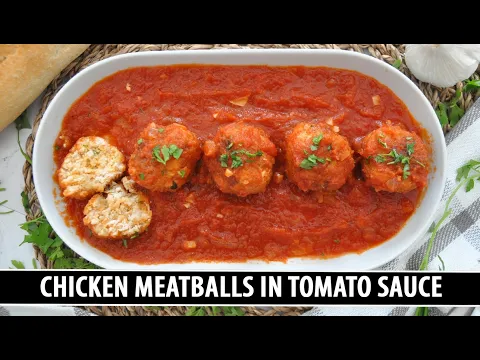 9:34
9:34Learn how to prepare succulent Spanish chicken meatballs (albóndigas de pollo) in a rich tomato sauce. This professional guide covers the essentials of grinding chicken breast, blooming smoked paprika, and utilising a two-stage sear-and-braise technique.
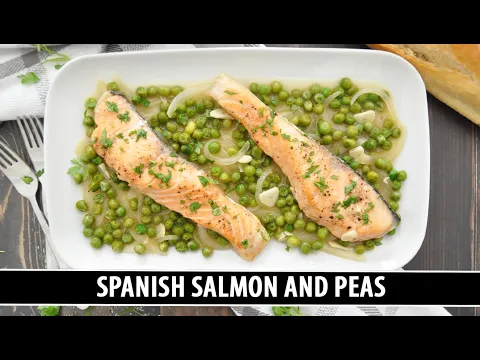 7:01
7:01Master the art of classic Spanish salmon and peas with this efficient one-pan braising technique from Spain on a Fork.
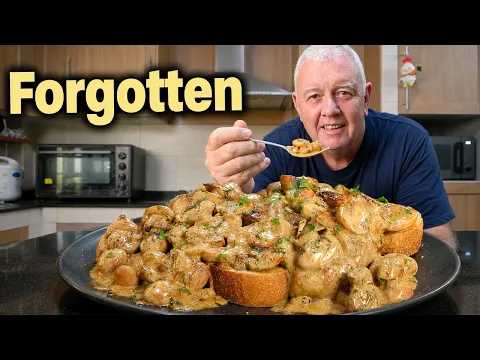 11:32
11:32Rediscover a classic British comfort dish. Learn the proper pan techniques to balance rich cream and savoury umami over perfectly crisp toast.
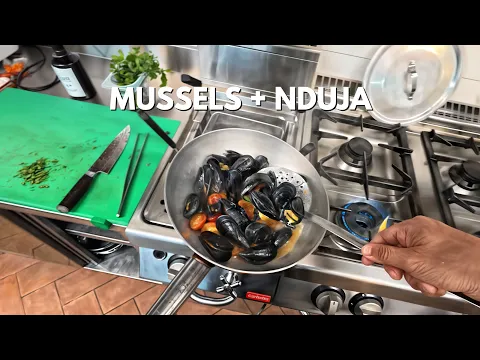 12:37
12:37Discover how to balance the rich, spicy heat of Calabrian 'nduja with the clean, briny sweetness of fresh mussels in this fast-paced pasta technique.
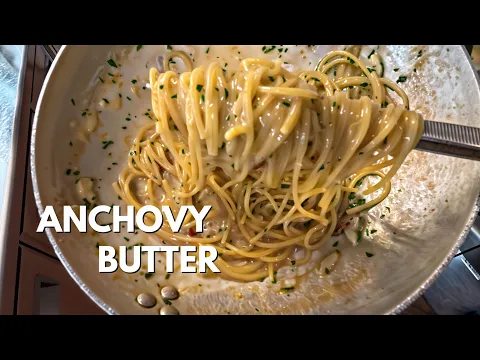 10:45
10:45Learn how to turn six simple ingredients into a rich, deeply savoury pasta using professional fat-emulsion techniques. This guide explores melting anchovies into a butter base for an instant umami sauce.
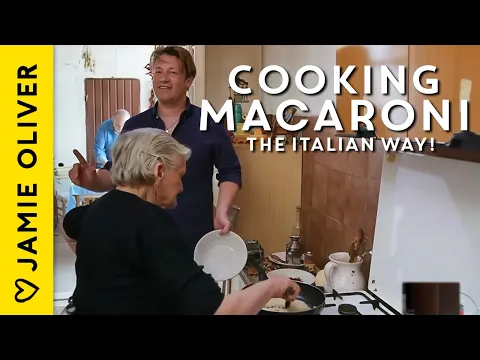 3:27
3:27Discover the art of minimalist Italian cooking with Jamie Oliver and Nonna Teresa as they prepare a classic macaroni with spicy peppers, demonstrating the power of simple starch emulsification.
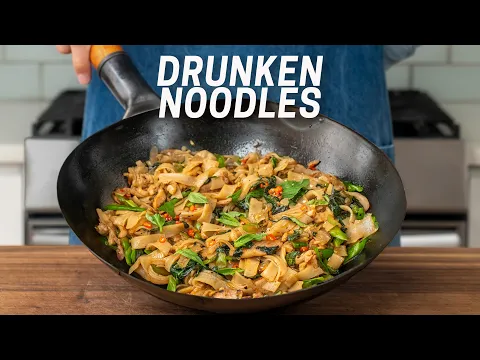 17:27
17:27Master the fast-paced art of Thai street food with this 25-minute guide to Pad Kee Mao. Learn how to control wok heat, hydrate wide rice noodles perfectly, and balance intense savoury-sweet caramelisation.
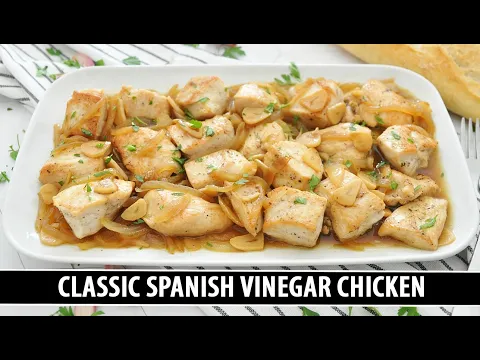 7:30
7:30Learn how to master Pollo al Vinagre de Jerez, a classic Andalusian chicken dish that balances the sharp acidity of Sherry vinegar with the warmth of sweet smoked Spanish paprika.
 15:07
15:07Discover how chef Zoe Barrie leverages smart convenience shortcuts, rapid starch emulsification, and clever ingredient substitutions to deliver three high-speed, low-effort meals in under 15 minutes.
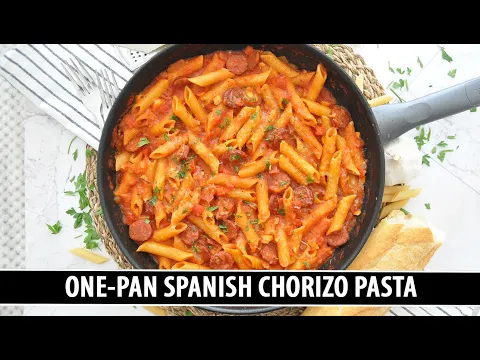 7:39
7:39Discover how cooking pasta directly in its building sauce can yield a superior emulsified coating with the Spanish classic Macarrones con Chorizo.
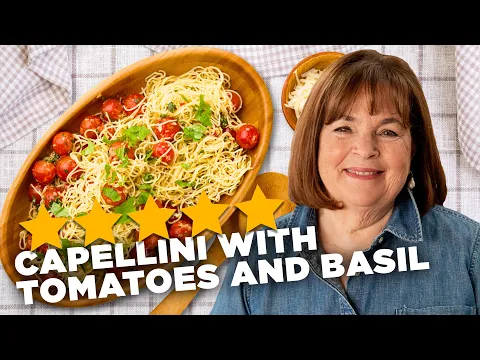 27:13
27:13Discover the professional techniques behind Ina Garten's classic capellini with tomatoes and basil. Learn how to control garlic infusion, preserve tomato texture, and emulsify delicate pasta sauces for a flawless service.
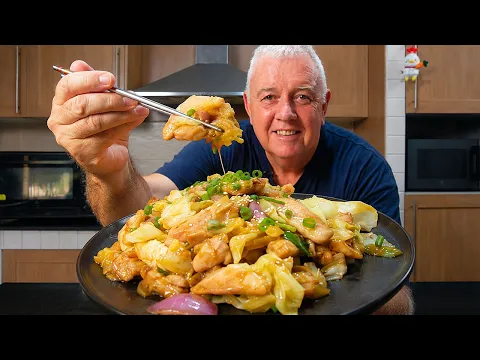 12:43
12:43A masterclass in heat control: how to turn simple chicken thighs and green cabbage into a high-margin, high-speed stir-fry with charred edges and a glossy, reduced honey-soy glaze.
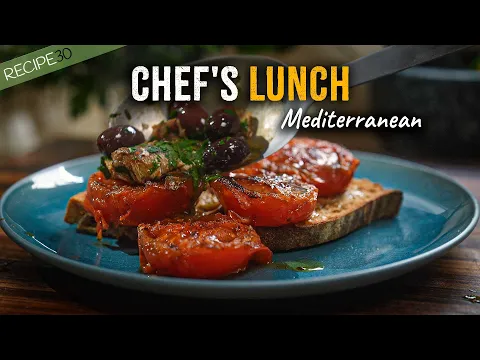 9:50
9:50Learn how to build depth, manage delicate proteins, and balance acidity in this ten-minute Mediterranean lunch of warm sardines and caramelised tomatoes on sourdough.
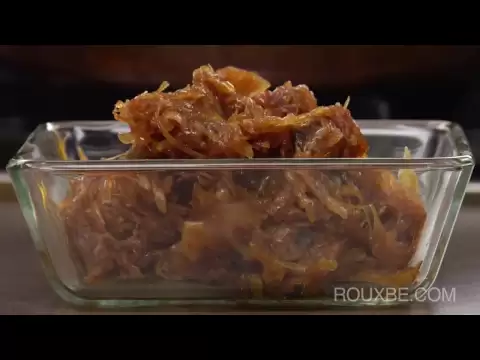 3:16
3:16Master the essential technique of slow-caramelising onions with this guide from Rouxbe, perfect for adding deep, rich sweet notes to a variety of professional dishes.
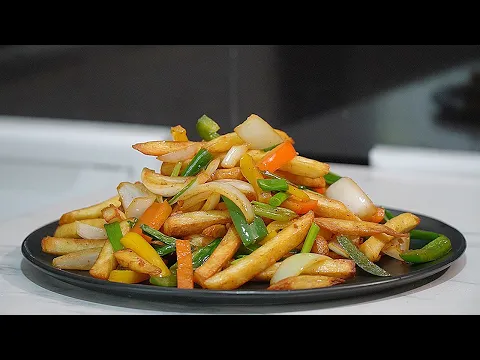 11:37
11:37Learn how to lift a classic British-Chinese takeaway favourite, Salt and Pepper Chilli Chips, using a custom Sichuan seasoning blend and rapid high-heat wok techniques.
Shorts & reels
Sixty-second clips — one idea, one trick, no preamble.
 1:11
1:11 2:43
2:43 0:52
0:52 0:30
0:30 0:31
0:31 0:42
0:42 0:28
0:28 1:58
1:58 1:43
1:43 0:35
0:35 1:05
1:05 1:22
1:22 0:32
0:32Questions from the pass
Overcrowding the pan is the main culprit. If ingredients cover more than two-thirds of the pan surface, moisture cannot escape, dropping the temperature below 100°C and steaming the food. For dishes like sautéed wild mushrooms, cook in small batches over medium-high heat at around 190°C to ensure rapid evaporation and proper caramelisation.
Use neutral oils with a high smoke point, such as rapeseed or refined olive oil, which withstand temperatures of 200°C without burning. Do not use extra virgin olive oil or butter initially; their low smoke points ruin the taste. Add cold butter in the last 30 seconds of cooking to baste proteins like chicken breast.
After removing the sautéed protein, pour off excess fat, leaving the caramelised fond. Deglaze the hot pan with 120ml of dry white wine or stock, scraping the pan base. Reduce by half over high heat, then whisk in 30g of cold cubed butter off the heat to emulsify into a glossy sauce.
Yes, surface moisture is the enemy of a good sear. Pat beef medallions or pork escalopes dry with kitchen paper before cooking. Wet meat drops the pan temperature, preventing the Maillard reaction. Season with salt immediately before placing into a hot pan with smoking oil to achieve a crisp crust within three minutes.
Sautéing uses high heat of 180°C to 200°C and constant movement to brown ingredients quickly, building deep flavour. Sweating, used for base aromatics like onions and celery, uses low heat and a lid to draw out moisture without colouring, softening the vegetables in their own juices over five to ten minutes.
The library is just the prep work
A free account on The Chef's Circle app gets you a professional portfolio, a way in with chefs and kitchens across our 1.6 million-strong following, and a cut of the ad revenue on the content you make.