Berkeley homeless encampment sweep creates other encampments nearby
22 September 2026 · 3:17 watch
Advertisement
When municipal sweeps shift local communities, urban restaurants face immediate operational impacts. Learn how to manage security, team protocols, and neighborhood relations.
Key takeaways
- Recognise that local municipal sweeps shift urban challenges nearby rather than resolving them.
- Audit service perimeters, lighting, and waste areas to maintain back-of-house security.
- Establish clear team protocols for engaging constructively with local community services.
- Avoid short-term reactive measures that mirror poor kitchen organisation and bottleneck shifting.
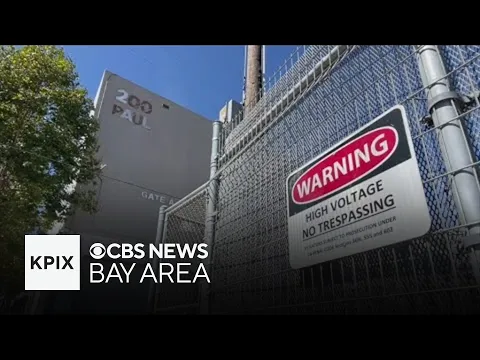
As hospitality operators, our kitchens do not exist in a vacuum. The systemic issues of our urban locations directly impact daily service, foot traffic, and team logistics. In this broadcast from KPIX CBS News Bay Area, reporter Brad Hamilton covers a critical local issue on Harrison Street in Berkeley, where municipal sweeps of homeless encampments have not solved the displacement crisis, but simply shifted it to neighbouring streets. For chefs and restaurateurs operating in metropolitan hubs, this report provides a stark lesson in crisis management, space organisation, and the realities of urban community relations.
The Fallacy of Shifting the Bottleneck
In kitchen organisation, clearing a cluttered station by dumping the prep onto another chef’s table is not a solution; it merely shifts the bottleneck. The Berkeley sweep demonstrates this exact operational pitfall on an urban scale. When municipal authorities cleared the Harrison Street encampment, the displaced community immediately established new sites nearby.
For a head chef or general manager, understanding this pattern is crucial. When localised interventions occur near your venue, anticipate immediate shifts in the surrounding footways and service entrances. Instead of reacting when access points are compromised, proactive operators must work ahead of these municipal movements, establishing clear communication lines with local authorities and outreach teams to ensure safety and access are maintained without resorting to friction.
Community Engagement on the Pass
A restaurant is a core pillar of its local neighbourhood. When systemic issues like homelessness shift closer to your kitchen door, the response must be structured, empathetic, and organised. Treating the situation purely as an aesthetic nuisance ignores the operational reality.
First, audit your physical perimeters. Ensure service entrances, waste disposal areas, and staff exit routes are well-lit, secure, and clearly defined. Second, brief your front-of-house and back-of-house teams on escalation protocols. Staff should know exactly who to call—focusing on local social services and community liaisons rather than immediately escalating to emergency services unless safety is compromised. By treating neighbourhood shifts with the same rigorous planning we apply to a high-volume service, chefs can protect their staff, secure their premises, and remain constructive members of the local community.
Questions from the pass
Frequently asked questions
How do nearby street sweeps affect my restaurant’s daily operations?
Local street sweeps can immediately alter foot traffic patterns, affect customer access to your entrance, and shift safety dynamics around your service doors. Operators must anticipate these shifts by adjusting staff arrival routes and securing waste collection areas.
What is the best way to secure a kitchen's service entrance during local displacement shifts?
Ensure all back-of-house exit routes and delivery bays are well-lit, fitted with secure code-locks, and kept completely clear of waste or empty crates. Regular checks during prep and clean-down shifts help maintain a safe, functional workspace.
How should I train my kitchen team to handle urban community crises?
Establish a clear, non-escalatory protocol for staff. Train your team to contact local community outreach groups or non-emergency support services first, reserving emergency services strictly for direct safety threats.
Why is shifting urban issues comparable to poor kitchen organisation?
Moving a problem without addressing its root cause is like moving dirty pans to another section; it causes a bottleneck elsewhere. Sustainable kitchen management relies on systemic solutions rather than temporary displacement of tasks or issues.
Original video by KPIX | CBS NEWS BAY AREA. This overview is written independently by The Chef's Circle editorial desk — watch the original on YouTube.
Keep reading
Related from the Community
 1:53
1:53Wednesday morning First Alert Weather forecast 9/16/26
 62:11
62:11CBS News Bay Area 8am (9-16-2026)
 32:50
32:50The Largest Buffet In America Serves 10,000+ People A Day
 17:46
17:46I Don’t Know Where This Is Going
 3:33
3:33Watch: Scene of double fatal crash in Brentwood
 4:30
4:30