Technique

Kitchen Organisation

Mise en place, prep lists, labelling, stock rotation and section setup. The unglamorous systems that decide whether service goes smoothly.

Mise en place, prep lists, labelling, stock rotation and section setup. The unglamorous systems that decide whether service goes smoothly.

Shorts & reels

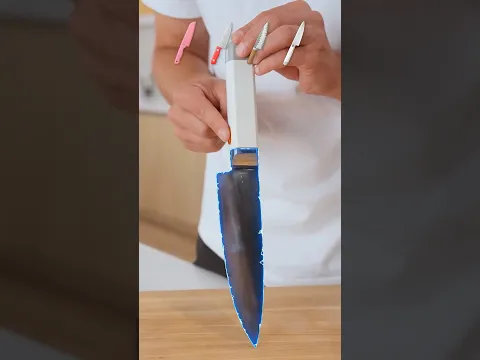
Quick hits from the pass

Sixty-second clips — one idea, one trick, no preamble.

Questions from the pass

Kitchen Organisation: frequently asked

How do chefs organise prep lists for a busy service?

Effective prep lists categorise tasks by priority and cooking times. Start with long-term projects like chicken stock (8 hours) or braising pork belly (3 hours) before moving to high-frequency, delicate prep like slicing chives or segmenting citrus. Using a simple "must-do, should-do, if-time" grid keeps the kitchen focused and prevents mid-service shortages.

What are the rules for labelling prep in a restaurant kitchen?

Under UK regulations, every prepped item must bear a label showing the product name, prep date, use-by date, and allergen indicators. For example, a batch of allergen-sensitive peanut satay sauce or fresh mayonnaise must be dated and stored below 5°C, usually discarded after 72 hours to prevent bacterial growth and maintain optimal quality.

How does FIFO work in a commercial kitchen?

First In, First Out (FIFO) ensures older stock is used first. When receiving deliveries, new crates of tomatoes or milk go to the back of the walk-in, and older stock is brought to the front. This reduces waste and ensures ingredients like fresh sea bass fillets are cooked within their strict 48-hour shelf life at 1°C to 4°C.

How do you set up a sauce section for service?

A standard sauce section (saucier) requires a strict physical layout. Keep reduction pans on the back burners, demi-glace and jus holding at 63°C or above on the pass, and cold garnishes like chervil or diced shallots in chilled 1/9 Gastronorm containers on ice. Speed depends on identical muscle memory placements for every single service.

How much prep should a chef do before service starts?

Aim for a par level based on covers. For a Saturday night expecting 120 covers, a pastry section requires a 1:1 ratio of prepped chocolate fondants to expected bookings, plus a 10% buffer. Delicate items like soufflé bases should be scaled to exact forecast numbers to prevent expensive wastage of eggs and dairy at the end of the night.

The library is just the prep work

Step off the pass. Join the network.

A free account on The Chef's Circle app gets you a professional portfolio, a way in with chefs and kitchens across our 1.6 million-strong following, and a cut of the ad revenue on the content you make.