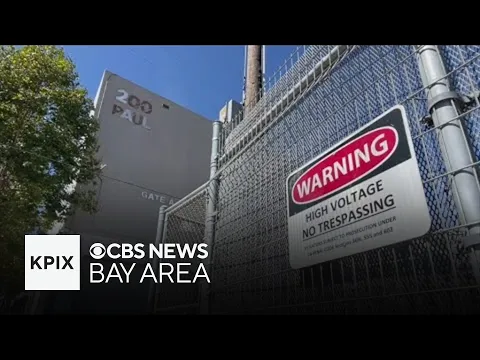
Berkeley posts notice of imminent sweep at longtime homeless encampment
26 August 2026 · 3:39 watch
Advertisement
A critical look at municipal compliance and street-level logistics for urban food businesses and street vendors following Berkeley's latest public notice.
Key takeaways
- Monitor municipal notices to prevent sudden disruptions to delivery routes and loading zones.
- Maintain clear public pavements to ensure compliance with city ordinances and avoid fines.
- Create contingency plans for supplier drop-offs during street closures or municipal sweeps.
- Verify local zoning permits for outdoor seating, waste disposal, and mobile food setups.
For mobile caterers, food truck operators, and restaurateurs managing urban premises, maintaining clear access to streets and pavements is a foundational logistical requirement. While this news report focuses on municipal actions at the Harrison Corridor encampment in Berkeley, it serves as an instructive case study in how rapidly local authorities can enforce public right-of-way compliance, directly affecting loading zones, street-side trading, and local business environments.
Managing Public Right-of-Way and Delivery Logistics
Operating a food business in a busy municipal setting requires strict adherence to local ordinances regarding pavements and public streets. When authorities post notices of imminent clearing actions—such as the warning issued in Berkeley—operators in the immediate vicinity must quickly assess how these physical shifts impact their supply chains, customer access, and physical premises.
A professional kitchen relies heavily on seamless delivery windows and predictable supplier access. If streets or pavements surrounding a loading bay are obstructed, it compromises the safety and speed of ingredient intake. Conversely, sudden municipal actions can redirect vehicle traffic, alter footfall patterns, and temporarily disrupt regular trading hours. Chefs and kitchen managers must understand the legal parameters of municipal notices, which typically outline a strict grace period before enforcement begins. In this instance, the transition window from the initial warning to the scheduled removal date of September 8 highlights the tight timelines operators face when adjusting their street-level logistics and coordinating with suppliers.
Risk Mitigation for Urban and Mobile Operators
For businesses located near designated enforcement zones, proactive preparation is vital. Food truck operators, street vendors, and restaurant owners must ensure that all physical setups, outdoor seating, and waste disposal units comply fully with municipal codes to avoid accidental removal or fines during wider sweeping operations.
Key strategies include keeping all pathways clear of non-vehicular blockages, verifying loading-zone permits, and establishing alternative delivery routes for suppliers. Staying informed about municipal actions allows kitchen managers to adjust staff roster timings and delivery schedules, ensuring that back-of-house operations are not delayed by street closures. Ultimately, keeping a close eye on local authority communications ensures that your business remains resilient and uninterrupted by external regulatory changes.
Questions from the pass
Frequently asked questions
How do street clearances affect local restaurant deliveries?
Street clearances directly impact delivery schedules by altering traffic flow and blocking access to loading zones. If roads or pavements are blocked or undergoing enforcement, suppliers may be unable to reach your kitchen. Operators should coordinate with suppliers to adjust drop-off times or identify alternative unloading areas nearby.
How can a food truck ensure compliance with municipal street notices?
Food truck operators must secure valid permits and strictly adhere to local parking and zoning laws. Ensuring that your service vehicle and customer lines do not block public pavements prevents conflict with city code enforcement officers. Always monitor city notices regarding temporary parking restrictions or street sweeps.
What should a kitchen do if their primary loading bay is blocked?
Kitchen managers should immediately establish a secondary unloading zone and update their delivery protocols. Notify suppliers ahead of time to prevent delays and ensure staff are ready to transport goods using hand trucks or trolleys. Clear communication with local code enforcement can also help resolve access issues.
How do municipal enforcement timelines affect restaurant staff scheduling?
Enforcement actions and street closures can delay staff commutes and disrupt prep shifts. Kitchen managers should monitor local council announcements to anticipate road closures or transit delays in the area. Adjusting roster start times ensures your prep schedule remains on track despite external disruptions.
Original video by KPIX | CBS NEWS BAY AREA. This overview is written independently by The Chef's Circle editorial desk — watch the original on YouTube.
Keep reading
Related from the Community
 1:53
1:53Wednesday morning First Alert Weather forecast 9/16/26
 62:11
62:11CBS News Bay Area 8am (9-16-2026)
 32:50
32:50The Largest Buffet In America Serves 10,000+ People A Day
 17:46
17:46I Don’t Know Where This Is Going
 3:33
3:33Watch: Scene of double fatal crash in Brentwood
 4:30
4:30