Central Valley winemaker returns to his roots after reaching for the stars
22 September 2026 · 3:09 watch
Advertisement
Discover how former NASA astronaut José Hernández returned to his Central Valley roots to establish Tierra Luna Cellars, offering chefs and beverage directors a powerful story of heritage, scientific precision, and terroir.
Key takeaways
- Winemaker narratives like José Hernández’s provide powerful stories that enhance guest engagement and add depth to wine pairings.
- Emphasising the contribution of agricultural workers aligns your beverage programme with ethical sourcing and social responsibility.
- Central Valley wines offer robust, fruit-forward profiles that pair excellently with wood-fired meats and deeply spiced dishes.
- Merging scientific precision with traditional agricultural knowledge leads to meticulous fermentation control and high-quality viticulture.
From Agricultural Roots to Orbit and Back
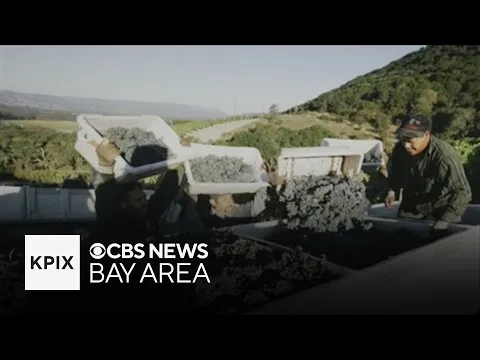
Every bottle on a wine list tells a story of origin, but few span the distance between the soil of California’s Central Valley and outer space. Former NASA astronaut José Hernández, born into a migrant farmworker family, has closed that circle by establishing Tierra Luna Cellars. For chefs and beverage directors, his work highlights the link between agricultural labour, technical precision, and storytelling at the table. This is not a vanity project; it is a return to heritage, driven by a deep respect for the land and the hands that harvest it.
Understanding the narrative behind a producer is essential when curating a modern wine programme. Hernández’s approach demonstrates that viticulture is as much about human capital as it is about soil chemistry. Having spent his youth harvesting crops in the fields before training as an engineer and astronaut, he brings an innate understanding of seasonal cycles, combined with rigorous scientific discipline. This dual perspective informs his vineyard management, emphasising sustainability and the human element behind every bottle.
Curating Narrative-Driven Wine Programmes
For culinary professionals, sourcing wines with compelling backgrounds can transform a standard beverage pairing into an engaging guest experience. Tierra Luna Cellars offers a concrete example of how to pitch terroir alongside personal history. When presenting these wines, front-of-house teams can explain how the winemaker’s scientific precision, honed in space, translates to meticulous fermentationFermentationA biological process in which microorganisms transform sugars and other compounds, creating acidity, gas, alcohol or complex flavours. control and vineyard management back on Earth.
Integrating such wines into your beverage programme requires an understanding of Central Valley terroir. The Central Valley’s warm climate produces robust, fruit-forward profiles that pair exceptionally well with rich, wood-fired proteins and complex, spiced dishes. Highlighting these wines supports a producer who champions the contributions of migrant workers, aligning your beverage programme with ethical sourcing and social sustainability.
Respecting the Labour Behind the Bottle
The ultimate lesson for kitchen leaders is the recognition of agricultural labour as the foundation of the culinary industry. Hernández's transition from field worker to astronaut, and finally to winery owner, serves as a reminder of the skill and endurance required in farming. Chefs can use these stories to educate their kitchen and front-of-house staff about the realities of supply chains, fostering a culture of respect that runs from the soil to the plate.
Questions from the pass
Frequently asked questions
How can a wine's narrative affect a restaurant's beverage program?
A compelling narrative engages diners and adds value beyond the liquid in the glass. Sharing a winemaker's unique background, such as moving from farmworker to astronaut, creates memorable tableside moments that justify premium pricing and foster loyalty.
What are the key food pairing characteristics of Central Valley wines?
Wines from California's Central Valley typically feature robust, fruit-forward profiles due to the warm growing climate. These characteristics make them excellent matches for charred, wood-fired proteins, rich braises, and complex, earthy sauces that require a bold wine to cut through the fat.
Why is highlighting farmworker heritage important in wine curation?
Highlighting heritage demonstrates a restaurant's commitment to social sustainability and ethical sourcing. Recognising the skilled labour required for viticulture helps educate consumers on the true cost of food production, building respect for the entire supply chain.
How does scientific precision translate into winemaking quality?
Scientific precision allows winemakers to manage fermentation temperatures, chemical balance, and soil health with absolute accuracy. This systematic approach reduces faults, ensures consistency across vintages, and helps express the true characteristics of the terroir.
Main ingredients
Original video by KPIX | CBS NEWS BAY AREA. This overview is written independently by The Chef's Circle editorial desk — watch the original on YouTube.
Keep reading
Related from the Community
 20:27
20:27Every Bigfoot from Season 2 | These Woods are Haunted | Travel Channel
 1:15
1:15Gundlach Bundschu Winery, one of California's oldest, files for bankruptcy
 1:28
1:28A Legendary Steakhouse Serving the Best Beef
 3:13
3:13San Mateo Assemblymember Diane Papan details data center bills signed into law
 23:42
23:42Oakland Debating Hitting the Pause Button on New Data Center Projects
 16:09
16:09