Fieldworkers say they're anxious as homeland security plans to build ICE facility in Gilroy
31 August 2026 · 3:40 watch
Advertisement
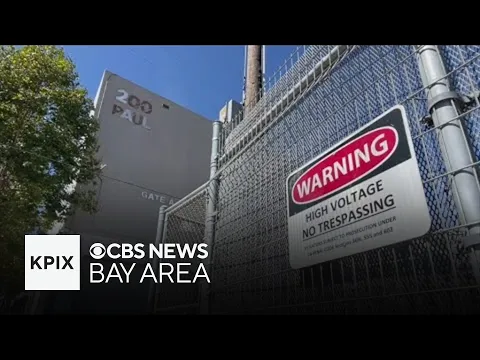
Plans for a new Department of Homeland Security facility in Gilroy are raising anxieties among fieldworkers, threatening the stability of agricultural labour and the restaurant supply chain.
Key takeaways
- Labour stability in agricultural hubs like Gilroy is directly linked to consistent ingredient quality and supply.
- Anxiety among fieldworkers can trigger harvest delays, leading to wholesale price spikes and produce shortages.
- Chefs should proactively monitor agricultural news to anticipate supply chain disruptions before they impact the pass.
- Building relationships with ethical, transparent suppliers helps secure more resilient ingredient pipelines.
The Direct Link Between Field Labour and the Pass
Every kitchen relies on a steady, predictable supply of fresh produce to keep the pass running smoothly. In key agricultural hubs like Gilroy, California, agricultural fieldworkers are the indispensable foundation of this supply chain. When external pressures—such as the Department of Homeland Security's plans to construct a new ICE facility—create anxiety among these crucial workers, it directly threatens the stability of harvest operations. Chefs must understand that the labour behind the ingredients is just as critical as the techniques used to cook them in the kitchen. Anxious fieldworkers may seek employment elsewhere or avoid harvest fields altogether, leading to immediate labour shortages that can halt the flow of essential crops to wholesale markets.
Supply Chain Vulnerabilities for Professional Kitchens
When major agricultural regions experience labour disruptions, the repercussions are felt quickly across the hospitality industry. Delayed harvests mean that produce sits in the fields too long or is picked prematurely, resulting in lower quality, reduced shelf life, and unpredictable wholesale pricing. For a kitchen managing tight food cost margins, sudden fluctuations in the availability of staple aromaticsAromaticsIngredients such as onions, garlic, celery, herbs and spices used to build flavour in a dish., vegetables, and specialty crops can throw menu planning and prep schedules into disarray. Rather than waiting for supply lines to break, culinary leaders must proactively monitor agricultural news and understand these macro-level pressures. This awareness allows head chefs and purchasing directors to adapt menus ahead of time, seek alternative regional suppliers, and manage cost fluctuations before they impact the bottom line.
Ethical Sourcing and Kitchen Resilience
Sustainable sourcing goes far beyond simply choosing organic produce or supporting local growers; it requires a deep understanding of the social and political realities facing the people who harvest our food. When agricultural communities face systemic stress, professional kitchens have an opportunity to support ethical supply chains. By establishing closer relationships with distributors and growers who advocate for fair labour practices and stable environments for their workers, chefs can secure more resilient supply lines. Recognizing that the welfare of fieldworkers directly impacts the quality of the raw ingredients arriving at the kitchen door is a necessary step for any modern, responsible culinary operation.
Questions from the pass
Frequently asked questions
How does agricultural labour anxiety in places like Gilroy affect restaurant supply chains?
Labour anxiety among agricultural workers directly threatens harvest stability, leading to potential shortages. When fieldworkers face stressful conditions, harvests can be delayed or disrupted, causing immediate supply gaps, quality degradation, and price volatility for key ingredients at wholesale markets.
Why should chefs monitor political and social issues affecting agricultural communities?
Monitoring issues affecting agricultural communities allows chefs to anticipate disruptions in ingredient availability and cost. Social and political instability in farming regions often leads to harvesting delays, meaning chefs must adapt their menus and sourcing strategies before shortages impact their kitchens.
How can a restaurant build a more resilient produce supply chain?
Restaurants can build resilience by diversifying their supplier network and purchasing from multiple regional distributors. Establishing direct relationships with farms that prioritize ethical labour practices also helps ensure a more stable and transparent supply of high-quality ingredients.
Does fieldworker anxiety have a direct impact on ingredient quality?
Yes, fieldworker anxiety can lead to harvest delays, meaning crops may overripen in the field or be harvested prematurely due to labour shortages. This directly results in sub-par ingredient quality, reduced shelf life, and increased waste when the produce arrives at your kitchen.
Original video by KPIX | CBS NEWS BAY AREA. This overview is written independently by The Chef's Circle editorial desk — watch the original on YouTube.
Keep reading
Related from the Community
 1:53
1:53Wednesday morning First Alert Weather forecast 9/16/26
 62:11
62:11CBS News Bay Area 8am (9-16-2026)
 32:50
32:50The Largest Buffet In America Serves 10,000+ People A Day
 17:46
17:46I Don’t Know Where This Is Going
 3:33
3:33Watch: Scene of double fatal crash in Brentwood
 4:30
4:30