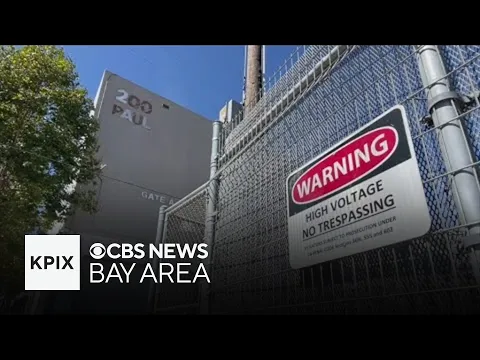
Fire burns at Moss Landing battery plant, site of 2025 inferno
19 September 2026 · 3:48 watch
Advertisement
A recurring fire at the Moss Landing battery storage facility in Monterey County highlights the critical importance of emergency preparedness and fire safety systems in commercial kitchens during utility failures.
Key takeaways
- Establish clear kitchen protocols for sudden utility and power grid failures.
- Keep commercial walk-in doors closed during blackouts to preserve food safety.
- Maintain and inspect hood suppression systems and class k extinguishers regularly.
- Define precise team roles for safe and rapid kitchen evacuations.
Planning for External Infrastructure Failures
While a commercial kitchen relies heavily on its internal systems, external infrastructure failures can halt service instantly. The recurring fire at the Moss Landing battery storage plant in Monterey County serves as a stark reminder of the vulnerabilities inherent in modern energy grids. For chefs and restaurateurs, understanding these external risks is crucial for developing robust emergency and disaster recovery plans. When local utility systems experience catastrophic failures, a kitchen's preparation determines whether it can preserve its inventory, protect its staff, and maintain communication with the public.
Mitigating Power Loss and Food Safety Risks
When a major energy facility experiences an emergency, local power grids can fluctuate or fail entirely. Commercial kitchens must have clear protocols for sudden blackouts.
- Inventory Protection: Keep refrigeration units closed to maintain safe holding temperatures. A closed commercial walk-in can maintain safe temperatures for several hours, but only if staff refrain from opening the doors.
- Emergency Power: Invest in backup generators for critical systems, particularly walk-in coolers and freezers. Prioritise power routing to prevent catastrophic stockStockA liquid made by simmering bones, meat, fish, vegetables or aromatics. loss.
- Gas Safety: Ensure that gas lines have automatic shut-off valves that trigger during power cuts or fire alarms, preventing gas accumulation when ventilation hoods shut down.
Staff Training and Fire Suppression Protocols
The Moss Landing incident highlights the unpredictable nature of industrial fires. Within the kitchen, fire safety must be an active daily practice rather than a compliance tick-box.
- System Maintenance: Regularly service hood suppression systems (such as Ansul systems) and ensure portable Class K fire extinguishers are easily accessible.
- Clear Evacuation Paths: Keep corridors and emergency exits free of crates, dry storage, or equipment. Under emergency conditions, poor kitchen organisation can lead to bottlenecks and injuries.
- Drill Protocols: Train the brigade on specific roles during an evacuation. Establish who cuts the main gas lines, who secures the cash drawers, and where the assembly point is located outside the building.
Emergency Menu Contingencies
In the event of extended utility disruptions, a resilient kitchen should have a contingency plan for a reduced, cold-prep menu if local regulations allow limited service. Utilizing non-perishable stocks, pickling, and preservation techniques can help reduceReduceTo simmer a liquid so that water evaporates, concentrating flavour and increasing viscosity. waste and keep a skeleton service running if gas or electricity is down but municipal water remains safe and active.
Questions from the pass
Frequently asked questions
How does an external infrastructure fire like Moss Landing impact local restaurants?
External infrastructure fires can lead to immediate power outages, grid instability, or localized evacuation orders that disrupt kitchen operations. Chefs must immediately secure food inventory to prevent spoilage and follow local civil instructions. Ensuring backup power systems are operational is critical during these sudden utility interruptions.
What is the best way to protect walk-in inventory during a sudden blackout?
The most effective immediate action is to keep refrigeration and freezer doors completely closed to preserve the internal ambient temperature. A sealed, well-maintained commercial walk-in can keep food at safe holding temperatures for several hours. Monitor the temperature using external digital readers if available to avoid opening the doors.
What key steps should be included in a kitchen's fire evacuation plan?
A kitchen evacuation plan must designate specific duties, such as shutting off main gas lines, securing high-value assets, and leading staff to a pre-arranged assembly point. Clear, unobstructed exit paths must be maintained daily. Regular drills ensure the brigade reacts calmly and efficiently under emergency pressure.
How often should commercial kitchen fire suppression systems be serviced?
Commercial kitchen fire suppression systems, including hood systems and Class K extinguishers, must be inspected and serviced regularly according to local fire regulations. Typically, this requires professional inspection every six months. Daily checks by kitchen management ensure that nozzles remain clean and pressure gauges are in the green zone.
Original video by KPIX | CBS NEWS BAY AREA. This overview is written independently by The Chef's Circle editorial desk — watch the original on YouTube.
Keep reading
Related from the Community
 1:53
1:53Wednesday morning First Alert Weather forecast 9/16/26
 62:11
62:11CBS News Bay Area 8am (9-16-2026)
 32:50
32:50The Largest Buffet In America Serves 10,000+ People A Day
 17:46
17:46I Don’t Know Where This Is Going
 3:33
3:33Watch: Scene of double fatal crash in Brentwood
 4:30
4:30