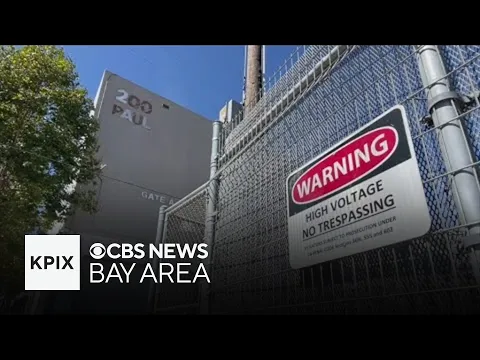
Man killed in San Jose police shooting had extensive criminal history
27 August 2026 · 5:09 watch
Advertisement
An essential guide for kitchen operators on establishing emergency action plans and security protocols to protect staff and guests during urban crises.
Key takeaways
- Establish clear emergency action plans (EAPs) detailing lockdown and evacuation procedures.
- Train line cooks on rapid equipment shutdown protocols, including main gas valves and extraction hoods.
- Define specific leadership roles for front and back-of-house management during a crisis.
- Regularly review emergency procedures and secure zones during daily pre-service briefings.
Urban Security and Kitchen Safety Protocols
As professional kitchen leaders and hospitality operators, our primary responsibility is the safety of our team and guests, extending far beyond the food on the plate. While we focus daily on culinary execution and prep lists, understanding how to manage sudden external crises—such as the critical shootout incident reported by KPIX in San Jose—is a crucial aspect of modern kitchen organisation. When volatile emergencies unfold in the immediate vicinity of your restaurant, having established, rapidly executable security protocols is just as critical as your standard fire safety procedures. Knowing how to react in these high-stress situations ensures that a team remains safe when the unexpected occurs outside the dining room doors. Managing these events requires calm leadership, clear protocols, and regular training.
Implementing Active Emergency Action Plans
To protect your front-of-house staff and kitchen brigade during severe external events, operations must design and implement clear Emergency Action Plans (EAPs). The foundation of a solid EAP lies in direct communication and rapid lockdown capabilities. Front-of-house teams must know precisely how and when to secure external entry points, relocate guests to designated safe zones away from street-facing windows, and make immediate contact with local emergency services. Meanwhile, the back-of-house team must have a protocol for rapid equipment shutdown. Line cooks should be trained to instantly cut main gas valves, switch off high-temperature induction ranges, and deactivate extraction hoods to eliminate secondary hazards such as grease fires, should a sudden evacuation or prolonged lockdown be required. Having these steps clearly documented and practised ensures they become second nature.
Leadership and Team Briefings
Crisis preparedness cannot simply exist as a document stored in an office; it must be integrated into the operational culture. During daily pre-service briefings, managers and head chefs should periodically review emergency procedures, identifying secure internal zones and evacuation routes. The primary pitfall in emergency response is panic caused by a lack of clear leadership and undefined roles. By assigning specific responsibilities—such as the Sous Chef verifying kitchen headcounts and the Assistant General Manager managing the dining floor—you establish a chain of command that ensures a swift, orderly response, safeguarding your staff and clientele during a crisis.
Questions from the pass
Frequently asked questions
How do we train our kitchen team for external emergencies without causing undue alarm?
Conduct brief, professional run-throughs during quiet prep hours or during scheduled team meetings. Frame the training as standard operational safety, much like health and safety or fire drills, focusing on clear, actionable steps such as shutting down equipment and identifying designated safe meeting zones.
What are the key steps for shutting down a professional kitchen in an emergency?
The key steps involve isolating hazards immediately. Line cooks should turn off all gas ranges at the main shutoff valves, switch off induction tops, and turn off extraction systems. This prevents grease fires and gas buildup if the building must be evacuated or locked down quickly without supervision.
How should front-of-house and back-of-house coordinate during an active crisis?
Coordinate through a predetermined chain of command led by the General Manager and Head Chef. The General Manager secures the entrance and directs guests to safety, while the Head Chef manages the kitchen shutdown and accounts for all back-of-house staff, communicating updates via a designated internal channel.
Where should guests and staff be directed if a street-level incident occurs?
Direct guests and staff to internal rooms or areas with solid walls and no windows, such as dry storage areas, prep kitchens, or corridors. Avoid any areas with street-facing glass, and ensure that all external doors are securely locked and monitored from a safe distance.
Original video by KPIX | CBS NEWS BAY AREA. This overview is written independently by The Chef's Circle editorial desk — watch the original on YouTube.
Keep reading
Related from the Community
 1:53
1:53Wednesday morning First Alert Weather forecast 9/16/26
 62:11
62:11CBS News Bay Area 8am (9-16-2026)
 32:50
32:50The Largest Buffet In America Serves 10,000+ People A Day
 17:46
17:46I Don’t Know Where This Is Going
 3:33
3:33Watch: Scene of double fatal crash in Brentwood
 4:30
4:30