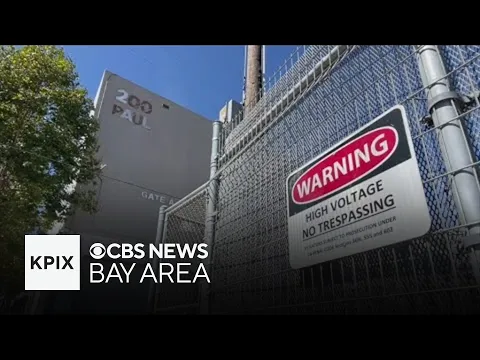
Richmond City Council passes 45-day moratorium on data centers
17 September 2026 · 2:42 watch
Advertisement
An editorial analysis of the Richmond City Council's 45-day moratorium on data centers, highlighting what local utility grid pressures and municipal zoning shifts mean for commercial kitchen operators.
Key takeaways
- Local municipal freezes on high-demand infrastructure like data centers signal broader utility grid pressures that can affect commercial kitchen operations.
- Resource competition for water and power between heavy tech and hospitality highlights the need for chefs to build energy-resilient kitchen setups.
- Understanding zoning laws and temporary moratoriums is essential for chefs planning new site acquisitions or cloud kitchen expansions.
Local Infrastructure and Kitchen Resource Demands
The recent decision by the Richmond City Council to implement a 45-day moratorium on new data centers highlights a critical challenge for modern food businesses: the battle for local resources. Commercial kitchens run on high-capacity utilities, requiring immense electrical power for cooklines, refrigeration, and ventilation, alongside consistent water volume for sanitation and prep. When massive data infrastructure projects enter a municipality, they place unprecedented demands on the shared grid. This temporary freeze serves as a reminder for hospitality operators to monitor regional resource allocation, as utility strainStrainTo separate solids from liquids using a sieve, chinois or other filtering device. often translates directly to volatile energy pricing and unexpected service brownouts for high-consumption businesses. For senior kitchen managers and culinary directors, grid reliability is not a passive concern; it dictates operational capacity, food safety parameters during power outages, and overall overhead costs.
Navigating Regulatory Moratoriums and Zoning
For chefs looking to expand their footprint or establish regional prep hubs, understanding local government zoning decisions is just as crucial as mastering kitchen organisation. A 45-day moratorium is a strategic pause used by city planners to assess environmental impacts, noise pollution, and energy consumption. This regulatory window allows municipal leaders to draft stricter guidelines before development resumes. For culinary business owners, these shifts provide vital clues about where commercial space will remain affordable and where utility grids might become overtaxed, allowing for more informed decisions during site selection. When a city pauses industrial permits, it signals a transition phase. Chefs operating in these areas must engage with local business coalitions to ensure the hospitality sector's voice is represented in resource-planning discussions.
The Digital Footprint of Modern Hospitality
While chefs focus on the daily prep and service on the pass, the modern restaurant industry is increasingly tethered to the very data centers under scrutiny. From reservation books to inventory tracking software, the digital tools of the trade depend on stable digital infrastructure. This news report reminds us that the physical reality of the cloud has local consequences. Kitchen leaders must balance their reliance on digital solutions with a keen awareness of how industrial tech development shapes the physical neighbourhoods their restaurants call home.
Questions from the pass
Frequently asked questions
Why should a commercial chef care about a data center moratorium?
Heavy industrial projects like data centers place massive demands on local power and water grids. A moratorium indicates that local municipalities are assessing resource limits, which directly impacts the utility stability, rates, and availability required to run high-volume commercial kitchens.
How do zoning freezes affect restaurant expansion plans?
When a city council implements a temporary freeze, it often precedes permanent changes in zoning laws and utility allocations. Chefs looking to open new locations or expand prep kitchens must monitor these shifts to avoid investing in areas with upcoming utility restrictions.
What is the relationship between data infrastructure and modern food service?
Modern kitchens rely heavily on cloud-based POS systems, online ordering, and digital inventory management. While data centers power these platforms, their physical footprint in a city can compete with local businesses for critical resources like land and electricity.
How can chefs prepare for regional utility volatility?
Kitchen operators can invest in energy-efficient equipment, explore alternative power backups, and conduct thorough due diligence on local grid capacity before signing long-term commercial leases in industrial transition zones.
Original video by KPIX | CBS NEWS BAY AREA. This overview is written independently by The Chef's Circle editorial desk — watch the original on YouTube.
Keep reading
Related from the Community
 3:44
3:44Women's Audio Mission nonprofit boosts music careers for women, gender-expansive people
 62:11
62:11CBS News Bay Area 8am (9-16-2026)
 3:33
3:33Watch: Scene of double fatal crash in Brentwood
 4:30
4:30San Francisco leaders seek data center moratorium
 0:25
0:25I’m spending $$$ to correct it now.
 0:39
0:39