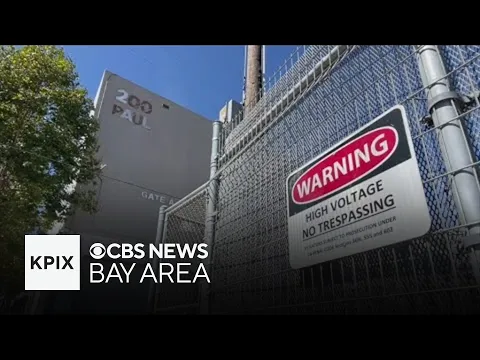
Watch: San Jose police at scene of officer shooting near downtown
26 August 2026 · 2:31 watch
Advertisement
In light of recent urban emergencies, we look at how professional kitchens can maintain robust safety protocols, emergency communication, and crisis management during active incidents.
Key takeaways
- Establish clear, written emergency protocols for active security incidents near your venue.
- Assign specific roles to kitchen and front-of-house staff to ensure coordinated lockdowns or evacuations.
- Monitor real-time local news updates to make informed decisions about staff and guest safety.
- Debrief the team after any incident to review the effectiveness of security protocols.
Situational Awareness in Urban Hospitality
Operating a professional kitchen in a bustling downtown district requires more than just culinary skill; it demands a high level of situational awareness and robust crisis management protocols. Recent emergency incidents in urban centres, such as the active police response in downtown San Jose, highlight the necessity for hospitality operators to establish clear safety procedures. When unexpected events unfold near a venue, the kitchen and front-of-house teams must act in unison to secure the premises and ensure the safety of both staff and guests.
While we focus heavily on technical culinary skills—from knife work to precise temperature control—the safety of our brigade is the absolute foundation of any successful restaurant operation. Without a secure environment, the culinary work cannot proceed. Maintaining an active line of communication with local authorities and monitoring real-time news updates are critical components of modern kitchen organisation. Rather than relying on guesswork, culinary leaders should have designated team members responsible for assessing external risks during an unfolding incident, ensuring that decisions are based on verified information.
Implementing Emergency Action Plans
A successful service relies on pre-determined stations and clear lines of command; emergency situations require the exact same structural discipline. Chefs and kitchen managers must implement comprehensive emergency action plans that detail specific roles during an active lockdown or evacuation scenario. For instance, during an active emergency, the head chef or kitchen manager should immediately coordinate with the front-of-house manager to lock down the dining area, secure all service doors, and account for every member of the brigade. This level of preparation prevents confusion and protects the team from external hazards.
Training should cover key areas such as securing entry points, turning off gas lines and high-temperature equipment safely, and guiding guests to secure zones within the restaurant. By treating safety drills with the same seriousness as food safety inspections, teams can mitigate panic and execute protocols swiftly under pressure.
Supporting the Team Post-Incident
The role of a culinary leader extends far beyond the pass, especially when managing the aftermath of an alarming event near the workplace. Providing immediate psychological support, debriefing the team on how the protocol was executed, and reviewing security measures are vital steps in maintaining kitchen morale and career longevity. Ensuring that staff feel secure in their working environment is fundamental to retaining talent and fostering a resilient kitchen culture.
Questions from the pass
Frequently asked questions
How should a kitchen team prepare for an emergency near a restaurant?
Kitchen teams should prepare by establishing a written emergency response plan that outlines specific duties for each staff member. This plan must cover how to secure the kitchen, shut down utilities, and coordinate with the front-of-house team. Regular drills ensure that the brigade can react calmly and swiftly during a real crisis.
Who should take charge of security protocols during a kitchen service?
The head chef and the front-of-house manager must co-lead security protocols to ensure seamless coordination. While the head chef manages the kitchen brigade and shuts down hazardous cooking equipment, the front-of-house manager secures the dining room and communicates directly with guests and emergency services.
What is the best way for a restaurant to stay informed during an active police incident?
Restaurants should monitor official local law enforcement social media feeds and regional news broadcasts for real-time, verified updates. Designating a single team member to track these channels prevents misinformation from spreading through the kitchen and allows the management team to make informed safety decisions.
How do you handle staff anxiety after an incident near the venue?
Address staff anxiety by holding an immediate team debrief to discuss the incident and review the effectiveness of your safety protocols. Offering access to professional mental health resources and reinforcing physical security measures helps rebuild confidence, ensuring that your team feels safe and supported in their working environment.
Original video by KPIX | CBS NEWS BAY AREA. This overview is written independently by The Chef's Circle editorial desk — watch the original on YouTube.
Keep reading
Related from the Community
 1:53
1:53Wednesday morning First Alert Weather forecast 9/16/26
 62:11
62:11CBS News Bay Area 8am (9-16-2026)
 32:50
32:50The Largest Buffet In America Serves 10,000+ People A Day
 17:46
17:46I Don’t Know Where This Is Going
 3:33
3:33Watch: Scene of double fatal crash in Brentwood
 4:30
4:30