I tried Real Mexican COKE Steaks… OMG!
15 August 2026 · 8:56 watch
Advertisement
Discover the culinary science of using cane-sugar-based Mexican Coke as a marinade and glaze for premium steaks, drawing inspiration from classic carnitas techniques.
Key takeaways
- Mexican Coke utilizes natural cane sugar instead of corn syrup, providing superior caramelisation and a cleaner flavour profile.
- The natural phosphoric acid in the cola acts as a gentle tenderiser, breaking down tough surface fibres in beef.
- Precise temperature control is essential during the final sear to prevent the high sugar content from scorching and turning bitter.
- Thoroughly drying the steak's surface prior to searing ensures rapid crust formation without steaming the meat.
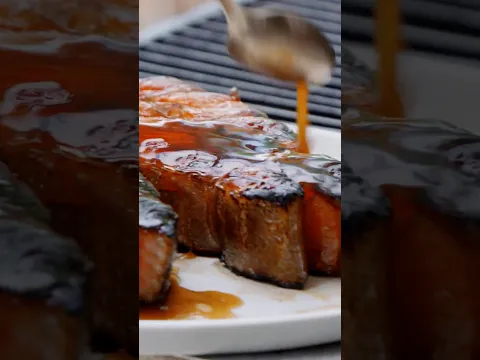
Using cola in professional kitchens is nothing new, particularly in slow-cooked Mexican classics like carnitas, where it contributes depth of colour, sweetness, and tenderising properties. However, applying this classic high-sugar marinade to premium beef steaks requires a refined approach to prevent bitterness and excessive charring. In this exploration from the Sous VideSous VideVacuum-sealed cooking in a precisely controlled water bath. Everything channel, the culinary potential of using authentic Mexican Coke—famed for its use of natural cane sugar rather than high-fructose corn syrup—is put to the test on steak.\n\n## The Chemistry of Cane Sugar Marinades\nFor chefs, the primary advantage of utilising Mexican Coke over standard commercial cola lies in its sweetener profile. Cane sugar caramelises differently under high heat, providing a cleaner, more complex sweetness and a glossy glazeGlazeA shiny coating applied to food to add flavour, colour, moisture or visual finish.. When used as a marinade, the phosphoric acid in the cola acts as a mild tenderising agent, breaking down surface proteins to improve the texture of the steak. Furthermore, the natural spices and citrus notes inherent in the beverage infuseInfuseTo extract flavour from an ingredient by steeping it in a liquid. the meat, mimicking some of the traditional aromaticsAromaticsIngredients such as onions, garlic, celery, herbs and spices used to build flavour in a dish. used in Latin American marinades. However, because sugar burns quickly, controlling the cooking temperature is paramount to avoid a bitter, blackened exterior.\n\n## Translating Carnitas Techniques to Steak\nWhile carnitas benefit from a long, slow braiseBraiseTo brown food and then cook it slowly in a small quantity of liquid, usually covered. where the sugars slowly reduceReduceTo simmer a liquid so that water evaporates, concentrating flavour and increasing viscosity. and coat the pork, steak requires a split-temperature approach. If the steak is cooked using precision low-temperature techniques (such as sous vide) or low-and-slow indirect heat, the sugars can penetrate the meat without burning. The challenge arises during the final searSearTo expose food to high heat to develop a browned exterior.. Chefs must ensure the surface of the meat is thoroughly patted dry to remove excess surface moisture while retaining a thin layer of the sugars to promote rapid caramelisationCaramelisationThe thermal breakdown of sugars that creates browned colour and complex sweet, toasted flavours..\n\n## Execution and Searing Pitfalls\nThe principal pitfall of this technique is flare-ups on the grillGrillTo cook using direct radiant heat. or scorching in a pan. Traditional searing relies on the Maillard reactionMaillard ReactionThe chemical reaction between amino acids and reducing sugars responsible for complex browning flavours., but a sugar-heavy marinade introduces rapid caramelisation and subsequent pyrolysis (burning). To manage this, a brief, extremely hot sear is required. The video demonstrates that when executed correctly, the combination of Mexican Coke and seasoning produces an incredibly rich crust with a deeply savoury profile balanced by subtle caramel notes. It is a highly unconventional but surprisingly effective technique for casual dining menus, sharing boards, or high-volume catering seeking a unique flavour narrative.
Questions from the pass
Frequently asked questions
Why is Mexican Coke preferred over standard cola for steak marinades?
Mexican Coke is preferred because it is sweetened with natural cane sugar rather than high-fructose corn syrup. Cane sugar caramelises more cleanly under high heat, providing a superior glossy glaze, a more complex flavour profile, and reducing the risk of harsh, chemical-tasting burnt notes during the searing process.
How does the acidity in cola affect the texture of the steak?
The phosphoric acid naturally present in the cola acts as a mild chemical tenderiser. By gently breaking down the surface proteins of the beef during the marinating phase, it helps tenderise tougher cuts, making them more succulent once cooked.
What is the biggest challenge when searing a steak marinated in cola?
The biggest challenge is preventing the sugars from scorching and turning bitter. Because sugar burns at a lower temperature than the Maillard reaction requires, you must sear the steak quickly over extremely high heat, monitoring the crust closely to ensure it caramelises without blackening.
Should you rinse the steak before searing it?
You should not rinse the steak, but you must pat it thoroughly dry with paper towels. Rinsing would wash away the caramelised sugars and seasoning, while leaving the meat wet would cause it to steam rather than sear, ruining the crust.
Original video by Sous Vide Everything. This overview is written independently by The Chef's Circle editorial desk — watch the original on YouTube.
Keep reading
Related from the Community
 10:12
10:12I Tried to DETHRONE YouTube’s #1 Steak Video
 0:22
0:22Celebrating Culture and Community
 0:53
0:53HOT PLATE 🔥 Hausu - BBQ pork collar #bbq #chef #london #londonrestaurants #restaurant #pork#cheflife
 19:27
19:27Authentic Uzbek Plov That ALWAYS Turns Out Perfect and Delicious!
 14:10
14:10Not Shashlik, But a BOMB! Juicy Liver Roll in Fat on the Grill
 1:07
1:07