Authentic Spanish Seafood Paella Recipe - Colab With Best Bites Forever
15 August 2026 · 5:40 watch
Advertisement
Discover the fundamental culinary techniques behind authentic Spanish seafood paella, from building a rich sofrito base to selecting the correct rice and mastering delicate seafood timing.
Key takeaways
- Always use Spanish round rice (such as Bomba) to absorb maximum liquid without breaking down or becoming sticky.
- Build a deep flavour foundation by slowly caramelising the sofrito aromatics before blooming the spices.
- Never stir the paella once the liquid is added to prevent releasing excess starch and ruining the texture.
- Layer the seafood additions based on cooking times to ensure nothing is overcooked or rubbery.
For professional chefs looking to master regional European classics, Spain on a Fork’s masterclass offers invaluable insights into executing an authentic seafood paella (paella de mariscos). Host Albert Bevia strips away the modern, over-complicated reinterpretations of this iconic Valencian dish, returning to the core techniques that define its traditional preparation. The lesson focuses on the sequence of flavor building, heat control, and ingredient respect, ensuring the rice remains the undisputed star of the show.
Mastering the Sofrito Base
A stellar seafood paella relies entirely on the depth of its initial flavour foundation, known as the sofrito. Chefs will observe the critical technique of gently frying aromatic vegetables in high-quality extra virgin Spanish olive oil to concentrate their natural sugars. The sequence is paramount: garlic and onions are softened before sweet tomatoes are introduced to deglazeDeglazeAdding liquid to a hot pan to dissolve browned cooking residue and form the base of a sauce. the pan. It is during this stage that Spanish smoked paprika (pimentón) and saffron are bloomed. Timing is everything here; burning the paprika introduces an acrid, bitter note that can ruin the entire batch, so it must be toasted briefly before being quenched by the tomato pulp.
Rice Selection and Liquid Ratios
The defining characteristic of an authentic paella is the texture of the rice. Using Spanish round rice, such as Bomba, is non-negotiable due to its unique ability to absorb up to three times its volume in liquid without breaking down or becoming sticky. Unlike a risotto, a paella must never be stirred once the rice is distributed and the brothBrothA seasoned liquid produced by simmering meat, vegetables, bones or other ingredients. is added. Stirring releases starches, leading to a creamy texture that is incorrect for this dish. Instead, the rice is left to simmer undisturbed, allowing the grains to cook evenly and absorb the rich, seafood-infused broth.
Seafood Timing and Presentation
Overcooking delicate seafood is a common pitfall in commercial kitchens. This recipe demonstrates how to layer seafood, such as prawns, mussels, and squid, at precise intervals. More robust seafood is often seared first to renderRenderTo slowly heat fatty tissue so that its fat melts away. flavour into the oil and then set aside, whilst more delicate items are nestled into the rice during the final minutes of cooking to steam gently. This ensures every element is perfectly tender and visually stunning upon service.
Questions from the pass
Frequently asked questions
Which rice variety is best for an authentic Spanish seafood paella?
Spanish round rice, specifically Bomba or Calasparra, is the ideal choice for authentic paella. This short-grain variety is highly absorbent, soaking up to three times its volume in broth without losing its structural integrity or releasing excess starch. This ensures the grains remain separate and distinct rather than clumping together like risotto.
Why must you avoid stirring the paella once the rice and liquid are combined?
Stirring the rice during cooking releases amylose starch from the grains, resulting in a creamy, gelatinous texture similar to an Italian risotto. Traditional Spanish paella requires dry, individual grains that have absorbed the broth undisturbed. Once you distribute the rice evenly in the pan, you must leave it completely untouched.
How do you prevent the smoked paprika from turning bitter during the sofrito stage?
Smoked paprika, or pimentón, burns very easily under direct heat, which imparts an unpleasant bitterness to the entire dish. To prevent this, add the paprika to the pan immediately before introducing the grated tomatoes. The moisture from the tomatoes instantly lowers the pan temperature, quenching the spices while allowing them to bloom safely.
What is the correct way to incorporate saffron into the paella?
To extract the maximum aroma and vibrant colour from saffron, bloom the threads in a small amount of warm broth or water before adding them to the pan. Alternatively, you can grind the threads into a fine powder and add them directly to the simmering sofrito. This ensures the saffron's signature flavour disperses evenly throughout the rice.
Main ingredients
Original video by Spain on a Fork. This overview is written independently by The Chef's Circle editorial desk — watch the original on YouTube.
Keep reading
Related from the Community
 6:46
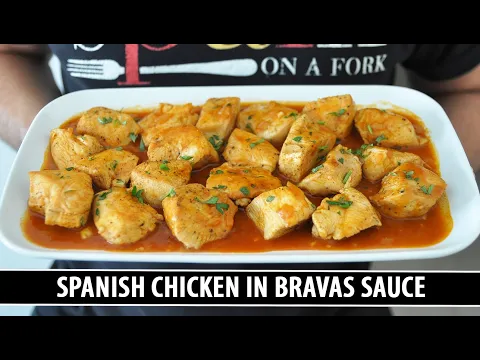
6:46Spanish Chicken in Bravas Sauce | Crazy Delicious One-Pan Recipe
 17:06
17:06The Best White Wine You've Never Heard Of: Albariño | The Wine Show
 10:49
10:49The Cheesecake You're Supposed To Burn
 0:19
0:19The Best White Wine You've NEVER Heard Of! #wine #whitewine
 1:07
1:07Is frying iberico a crime? 👀📝 #spanish #sandwich #iberico #cookingfromspain
 7:32
7:32