Steak and rosemary potatos on a stainless steel pan
28 August 2026 · 1:20 watch
Advertisement
Master the art of cooking steak and rosemary potatoes using a stainless steel pan. Learn how to control thermal energy, prevent sticking through proper preheating, and leverage pan fond for maximum flavour.
Key takeaways
- Preheat the stainless steel pan until water droplets bead (the Leidenfrost effect) to prevent protein from sticking.
- Avoid crowding the pan; cook the steak and potatoes sequentially or in separate pans to ensure a proper sear.
- Use the rendered beef fat and pan fond from the steak to flavour and crisp the rosemary potatoes.
- Add fresh rosemary and butter at the end of the cooking process to prevent the herbs and dairy from scorching.
Cooking steak and potatoes in a stainless steel pan is a fundamental test of heat management and timing. Uncoated stainless steel is a favourite in professional kitchens for its durability and excellent fondFondThe browned residue left in a pan after searing or roasting. development, but it requires a disciplined approach to temperature control. To prevent sticking and achieve a uniform, deep-brown crust, a chef must master the relationship between steel, fat, and protein.
Thermal Control and the Leidenfrost Effect
The primary pitfall when using stainless steel is premature food contact. If the metal is not sufficiently hot, the protein will bond with the microscopic pores of the steel, resulting in tearing. Preheating the dry pan until a droplet of water beads and glides across the surface—the Leidenfrost effect—indicates the pan has reached the correct thermal threshold. Once this state is achieved, adding a high-smoke-point fat creates a slick barrier. Laying the seasoned steak into the pan at this moment ensures an immediate searSearTo expose food to high heat to develop a browned exterior., which naturally releases the meat from the surface once the crust forms.
Fond Management and Sequential Cooking
Searing beef at high heat leaves behind a valuable layer of caramelised sugars and proteins, or fondFondThe browned residue left in a pan after searing or roasting.. Managing this pan residue is crucial when preparing side dishes like rosemary potatoes alongside the meat. Rather than crowding the pan—which drops the temperature and steams the ingredients—cook sequentially or use a secondary steel pan. If cooking sequentially, rest the steak and use the residual beef fat to fry the potatoes. The natural moisture in the potatoes will deglazeDeglazeAdding liquid to a hot pan to dissolve browned cooking residue and form the base of a sauce. the pan, wrapping the starch in rich beef flavours while preventing the fond from burning.
Herb Infusion and Butter Basting
Rosemary contains delicate volatile oils that scorch under direct searSearTo expose food to high heat to develop a browned exterior. temperatures. To capture its piney aroma without imparting bitterness, introduce the herb during the final stages of cooking. For the steak, this means adding butter, crushed garlic, and fresh rosemary sprigs during the final basting process, spooning the foaming, aromatic fat over the meat. For the potatoes, toss the rosemary in during the last few minutes of crisping, allowing the residual heat of the stainless steel to release the herb's essential oils gently.
Questions from the pass
Frequently asked questions
Why does steak stick to a stainless steel pan?
Steak sticks to stainless steel when the pan or the fat is not hot enough, or if the meat is moved too early. When the pan reaches the correct temperature, the protein instantly sears and contracts, releasing itself naturally from the metal. Let the crust form completely before attempting to flip the meat.
How do you prevent butter from burning during the basting stage?
Add the butter only during the final minutes of cooking and reduce the heat slightly. Butter contains milk solids that burn quickly at high searing temperatures. Basting at the end allows you to capture the rich, nutty flavour of browned butter and herbs without scorching them.
Should you parboil the potatoes before frying them in the steel pan?
Parboiling potatoes in salted water is highly recommended to achieve a fluffy interior and crispy exterior. It cooks the starch through, allowing you to focus purely on achieving a rapid, golden-brown crust in the hot fat of the stainless steel pan without leaving the centres raw.
How do you deglaze and clean the pan while preserving the fond for a sauce?
Remove the steak and excess fat, then pour a cold liquid like stock, wine, or water into the hot pan. Use a wooden spatula to scrape up the caramelised bits from the bottom. This liquid can then be reduced with butter to create a rich, instant pan sauce.
Original video by Steel Pan Guy. This overview is written independently by The Chef's Circle editorial desk — watch the original on YouTube.
Keep reading
Related from the Community
 5:28
5:28Stop Adding Oil First—This Makes Mushrooms Golden Brown | Japanese Chef
 3:00
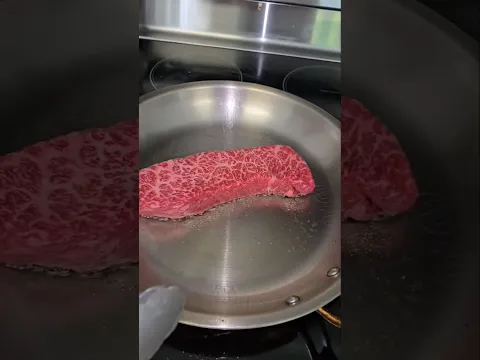
3:00Steak and egg on 1 steel pan
 47:23
47:23Jamie Oliver's Chicken Recipes & Ideas To Try This Weekend
 0:27
0:27How To Fry The Perfect Steak #howto #shorts
 13:46
13:469 astuces pour améliorer facilement tous vos plats dès maintenant
 1:38
1:38