1 day with me 🇦🇺 #australia #food #brisbane #foodlover #cooking #foodie #shortsvideo #shortfeed
20 September 2026 · 0:54 watch
Advertisement
A professional look at cooking at home in Brisbane, Australia, evaluating modern ceramic non-stick fry pans for daily prep and heat efficiency.
Key takeaways
- Ceramic non-stick coatings require precise thermal control and lower heat settings to prevent surface degradation.
- Well-balanced cookware ergonomics are essential to reduce wrist strain during flipping and tossing.
- Adapting professional techniques to domestic gear ensures consistent heat distribution and better browning.
- Chemical-free ceramic pans offer a reliable alternative for delicate, low-fat cooking at home.
Every professional chef understands that the gear used at home often differs from the heavy-duty stainless steel and carbon steel found on the line. In this look behind the scenes, we follow ThaiChef Food during a day in Brisbane, Australia, focusing on the practical application of domestic ceramic non-stick cookware. When stepping away from the high-pressure restaurant pass, testing new equipment like the BergHOFF ceramic non-stick fry pan set offers an excellent opportunity to evaluate how modern consumer cookware performs under the scrutiny of a trained eye.\n\n## Evaluating Ceramic Coatings for Everyday Prep\n\nCeramic non-stick coatings have gained significant traction as a healthier, PTFE-free alternative to traditional chemical non-stick surfaces. For a chef, the main priority with any pan is how evenly it conducts heat and how cleanly it releases food. During home cooking sessions, a quality ceramic pan allows for precise temperature control, ensuring that delicate ingredients do not stick or tear. Because ceramic surfaces respond differently to heat compared to seasoned cast iron, chefs must adapt their technique—using lower flame heights and minimal cooking fats to preserve the integrity of the coating while still achieving a satisfactory searSearTo expose food to high heat to develop a browned exterior.. This makes them ideal for gentle pan-searing, omelettes, and quick vegetable sautéSautéTo cook food quickly in a small amount of fat over relatively high heat.s.\n\n## Ergonomics and Heat Distribution on the Home Pass\n\nBeyond the cooking surface itself, the physical build of a frying pan dictates its usability. A professional looks closely at the handle design, weight distribution, and rivet strength. The cookware set featured in the Brisbane kitchen showcases how ergonomic design assists in effortless tossing and flipping. Well-balanced pans reduceReduceTo simmer a liquid so that water evaporates, concentrating flavour and increasing viscosity. wrist strainStrainTo separate solids from liquids using a sieve, chinois or other filtering device., a crucial factor for chefs who spend hours handling heavy cookware. Additionally, consistent heat distribution across the base prevents hot spots, allowing for uniform browning whether you are sealing proteins or sweating off aromaticsAromaticsIngredients such as onions, garlic, celery, herbs and spices used to build flavour in a dish.. Observing a professional handle these domestic tools highlights the importance of adapting kitchen habits to the specific thermal properties of your cookware, ensuring that your tools last longer and perform consistently.
Questions from the pass
Frequently asked questions
What are the primary advantages of ceramic non-stick coatings for chefs?
Ceramic coatings offer a PTFE-free alternative that provides excellent food release with minimal oil. For chefs cooking in light-commercial or domestic environments, they deliver a clean sear and exceptionally easy cleanup. However, they must be treated with care to maintain their properties over the long term.
How should temperature be managed when cooking with ceramic pans?
You should stick to low to medium heat settings when using ceramic non-stick pans. Excessively high heat can rapidly degrade the ceramic non-stick surface, causing food to stick. Preheating the pan gently ensures even heat distribution across the base without damaging the coating.
Can ceramic non-stick pans withstand the rigours of a professional kitchen?
While highly efficient for delicate tasks like eggs or fish, ceramic pans are generally less durable than carbon steel or cast iron under heavy commercial use. They are best reserved for specific service stations or domestic development kitchens where metal utensils are strictly avoided.
What is the best way to clean and maintain these frying pans?
Hand washing with a soft sponge and mild detergent is highly recommended to preserve the ceramic layer. Avoid abrasive scouring pads and harsh dishwasher cycles, as friction will degrade the non-stick properties over time. Store them with protective felt liners to prevent scratching.
Original video by ThaiChef Food. This overview is written independently by The Chef's Circle editorial desk — watch the original on YouTube.
Keep reading
Related from the Community
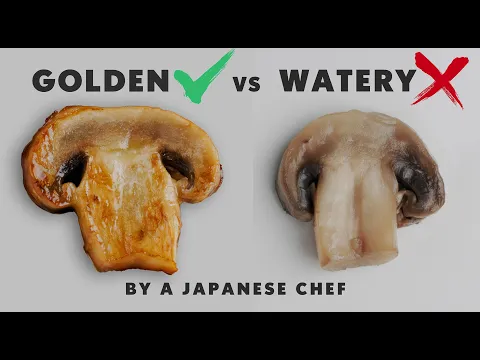 5:28
5:28Stop Adding Oil First—This Makes Mushrooms Golden Brown | Japanese Chef
 3:00
3:00Steak and egg on 1 steel pan
 47:23
47:23Jamie Oliver's Chicken Recipes & Ideas To Try This Weekend
 0:27
0:27How To Fry The Perfect Steak #howto #shorts
 13:46
13:469 astuces pour améliorer facilement tous vos plats dès maintenant
 1:38
1:38