The Secret to Salad Dressing Ratios: Make Perfect Dressing Every Time!
15 August 2026 · 1:50 watch
Advertisement
Learn how to master a bold 1:1 oil-to-acid ratio to create vibrant, perfectly balanced vinaigrettes that lift salads without coating the palate in fat.
Key takeaways
- A 1:1 ratio of oil to acid provides a lighter, more vibrant alternative to traditional 3:1 or 4:1 vinaigrettes.
- Blending balsamic vinegar with fresh lemon juice creates a more complex and balanced acid profile.
- Liquid honey acts as a crucial culinary bridge, smoothing out harsh acidic notes without dulling the overall flavour.
- High-acid dressings require careful whisking to successfully emulsify the increased volume of aqueous ingredients.
Master the Equal-Parts Emulsion
In the professional kitchen, the classic French vinaigretteVinaigretteA dressing or sauce based on an emulsion of oil and vinegar or another acid. ratio of three or four parts oil to one part acid is often treated as absolute culinary gospel. However, Chef Dez challenges this long-standing convention by introducing a bold, contemporary 1:1 ratio. This technique balances equal parts extra virgin olive oil and acid, yielding a punchy, vibrant dressing that cuts through robust salad leaves without coating the diner's palate in excess grease. For a chef, mastering this high-acid ratio means understanding how to temper sharpness without relying on heavy fat to mask it, ultimately creating a cleaner, more refreshing flavour profile that aligns perfectly with modern dining preferences.
Balancing Acid and Sweetness
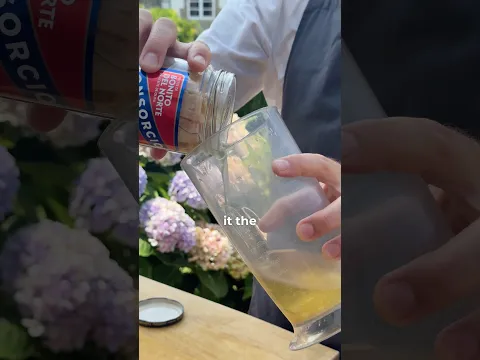
The primary pitfall of a one-to-one vinaigretteVinaigretteA dressing or sauce based on an emulsion of oil and vinegar or another acid. is harshness. Without an adequate buffer, equal parts acid can easily overpower a dish and overwhelm the palate. Chef Dez's solution lies in combining two distinct acidic components—complex, deep balsamic vinegar and bright, citrusy fresh lemon juice—and balancing them with a natural sweetener. Liquid honey acts as the crucial culinary bridge in this preparation. The sweetness of the honey does not merely cover up the sourness; instead, it chemically rounds out the sharp edges of the acetic and citric acids. This smooths the finish while allowing the distinct fruitiness of the extra virgin olive oil to shine through rather than being buried under fat.
Commercial Application and Emulsion Technique
Implementing this high-acid ratio in a busy commercial kitchen demands culinary precision. Because there is a significantly higher volume of aqueous liquid relative to the oil, traditional emulsification requires careful assembly to prevent splitting. Chefs must thoroughly whisk or blend the acids, honey, and seasonings together before slowly drizzling in the olive oil to build a stable suspension. This style of dressing is particularly suited for sturdy bitter greens, roasted root vegetable salads, or ancient grains that benefit from a highly seasoned, acidic lift. By shifting away from fat-heavy dressings, you can offer your guests lighter, brighter plates that showcase the raw ingredients.
Questions from the pass
Frequently asked questions
Why use a 1:1 ratio instead of the traditional 3:1 vinaigrette ratio?
A 1:1 ratio of oil to acid offers a lighter, punchier alternative to grease-heavy dressings. By reducing the oil content, you allow the clean, vibrant notes of the acids to cut through dense ingredients and robust leaves, leaving a refreshing finish on the palate rather than a heavy coat of fat.
How do you prevent a 1:1 vinaigrette from being overly sour or harsh?
The key to smoothing out high acidity is the strategic addition of a sweetener, such as liquid honey. Honey rounds off the sharp, aggressive edges of the balsamic vinegar and lemon juice, balancing the dressing's flavour profile without muting its bright, refreshing characteristics.
Can I use different types of acid for this equal-parts dressing method?
Yes, you can experiment with various acids, though Chef Dez recommends combining balsamic vinegar and fresh lemon juice. This pairing introduces both acetic and citric acids, creating a more layered and complex flavor profile than relying on a single acid source.
What is the best way to emulsify a dressing with such high acid content?
To build a stable emulsion with a 1:1 ratio, thoroughly whisk your acids, seasonings, and honey together first. Slowly drizzle in the extra virgin olive oil while whisking vigorously, or use a blender to ensure the oil droplets are evenly suspended within the abundant liquid phase.
Main ingredients
Original video by Chef Dez. This overview is written independently by The Chef's Circle editorial desk — watch the original on YouTube.
Keep reading
Related from the Community
 1:16
1:16How a Sushi Master Makes Sushi
 9:46
9:46Chopped: Pig Ears, Ramps, Pine Nuts & Apple Strudel | Full Episode Recap | S14 E5 | Food Network
 1:02
1:02How much would you pay for this sandwich? 💰🥪 #foodchallenge #spanishfood
 1:33
1:33#ad The 4 Best Ways to Cook Egg Yolks
 0:23
0:23Mediterranean Three Bean Salad (Bean Salad Recipe) #beans
 0:32
0:32