 6:46
6:46Spain on a Fork
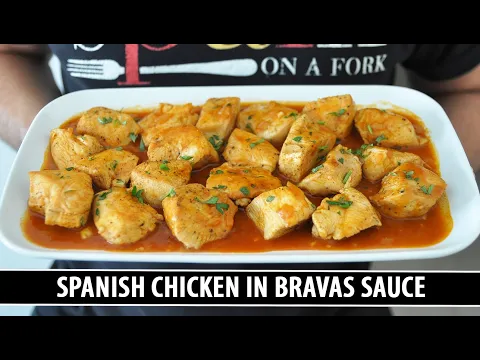
Spanish Chicken in Bravas Sauce | Crazy Delicious One-Pan Recipe
Learn how to adapt Spain's iconic salsa brava into a rich, smoky pan-sauce for chicken in this practical, one-pan kitchen guide.
Technique
Master the building blocks of the kitchen with practical guides to professional stocks, mother sauces, emulsions, and reductions.
Every busy service relies on the speed and quality of your prep, and nothing underpins a line quite like the saucier's station. This section covers the fundamental building blocks of professional kitchen work: from white and brown stocks to classic French mother sauces, modern emulsion techniques, and deep glaces. We focus on the mechanics of protein extraction, collagen conversion, and the physical science of binding.
Consistency on the pass requires precise ratios and tight temperature control. A broken emulsified sauce or a cloudy, bitter stock can ruin a service and waste expensive prep time. Here, we break down the practicalities of starch gelatinisation, acid balance, and reduction times. Whether you are troubleshooting a split hollandaise, adjusting the salt curve of a demi-glace, or managing gelatin extraction in a veal stock, these guides provide the technical baseline.
Expect clear, no-nonsense guides, step-by-step ratio breakdowns, and troubleshooting advice written by working chefs. This is where you find the essential techniques to keep your sauces stable, your stocks clean, and your prep efficient.
6:46Learn how to adapt Spain's iconic salsa brava into a rich, smoky pan-sauce for chicken in this practical, one-pan kitchen guide.
 16:13
16:13Discover how professional chefs handle the volatile nature of brewing styles under pressure, turning abbey ales, milk stouts, and keg beers into balanced culinary components without running into bitter reductions.
 10:07
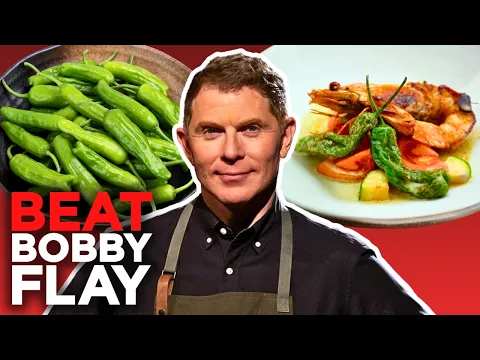
10:07Discover how professional chefs handle the unpredictable heat and grassy notes of shishito peppers in high-stakes competition cooking. This editorial breakdown covers blister techniques, texture variation, and balancing fats and acids on the line.
 32:52
32:52Chef Joshua Weissman and former corporate chef Mike Haracz reverse-engineer extinct fast-food classics, dissecting the science of mass-market flavour profiles.
 16:12
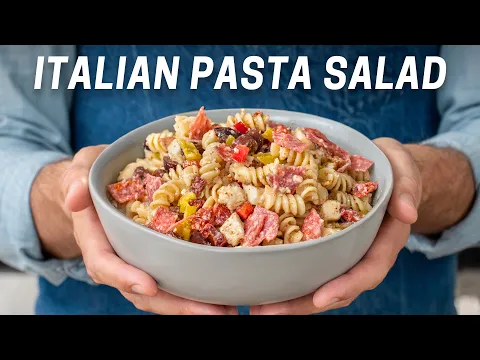
16:12Discover the culinary science behind the perfect deli-style pasta salad. Learn how overcooking pasta and emulsifying fresh aromatics creates a superior prep-ahead cold dish.
 40:59
40:59Andrew Rea breaks down the multi-tiered construction of nachos, detailing how to progress from basic stadium cheese to highly refined, scratch-made components that preserve structural integrity and balance complex flavours.
 20:56
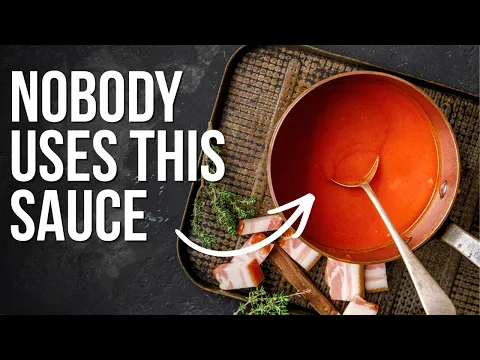
20:56Revisit Escoffier's classic Sauce Tomate, the often-overlooked French mother sauce that relies on a rich roux, smoked bacon, aromatics, and chicken stock for a deeply savory, low-acid finish.
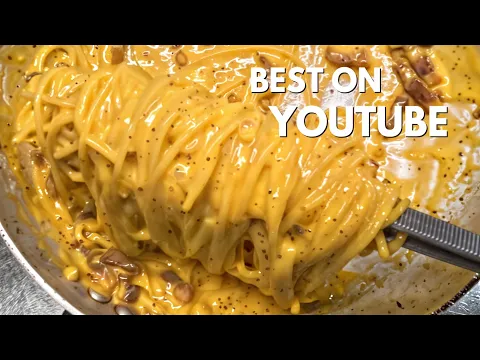 11:36
11:36Learn the professional technique for creating a silky, emulsified carbonara without a drop of cream. This guide covers fat rendering, egg tempering, and heat-off tossing.
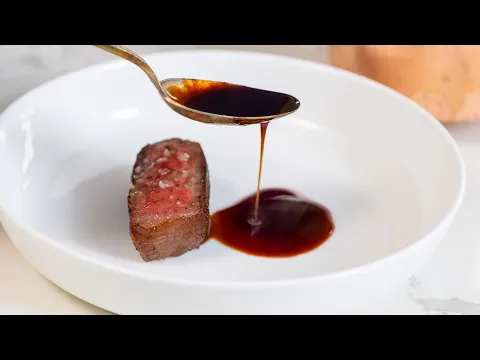 6:55
6:55Master the science of high-end sauce making. Learn how to use pressure extraction, precise reduction, and stable emulsification to create a glossy, Michelin-standard steak sauce.
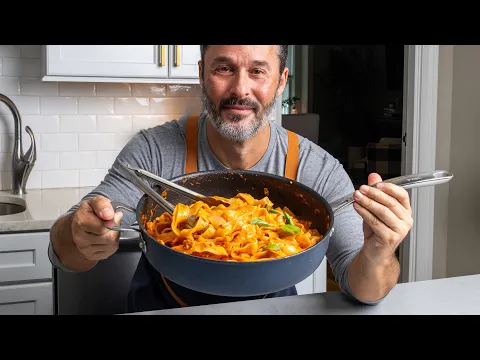 14:03
14:03A robust, crowd-pleasing pasta that demonstrates the power of proper deglazing, tomato paste caramelisation, and starch-water emulsification.
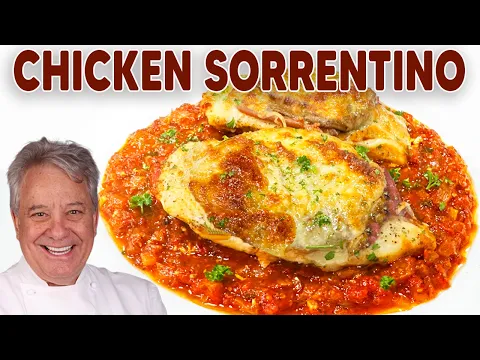 26:50
26:50An editorial breakdown of Chef Jean-Pierre's Chicken Sorrentino, featuring layered pan-seared chicken, silky eggplant, cured prosciutto, and melted Fontina in a rich Marsala-infused tomato reduction.
 5:41
5:41Learn the key techniques for building a clean, aromatic broth and keeping poached chicken tender in this professional guide to rustic chicken soup.
 15:38
15:38Transform discarded shrimp shells into a deep, savoury stock to power a rich, dual-texture seafood bolognese that challenges classic meat-based ragùs.
 11:26
11:26Learn the precise techniques required to master single-portion breakfast cookery, featuring smart hacks for small-batch sausage gravy, micro-emulsions, and heat management in single-egg pan poaching.
 16:27
16:27Discover how to prepare tender chicken meatballs in a rich, one-pan peanut satay sauce using smart moisture-retention and emulsion techniques.
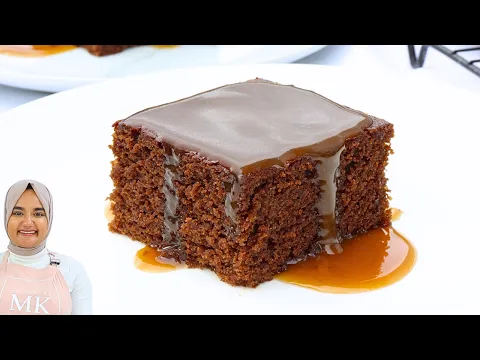 4:37
4:37Discover how to bake an exceptionally soft, spiced molasses cake finished with a glossy butterscotch molasses sauce, focusing on blooming spices with hot coffee and emulsifying the perfect glaze.
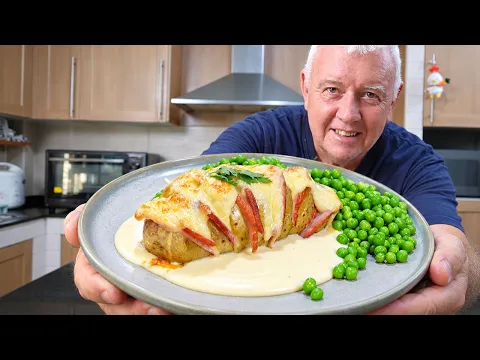 13:26
13:26Discover a time-saving hybrid cooking technique for classic Hasselback potatoes. By par-cooking in the microwave before roasting, you cut prep times in half while achieving perfectly crispy edges and a rich, bubbling Cheddar cheese finish.
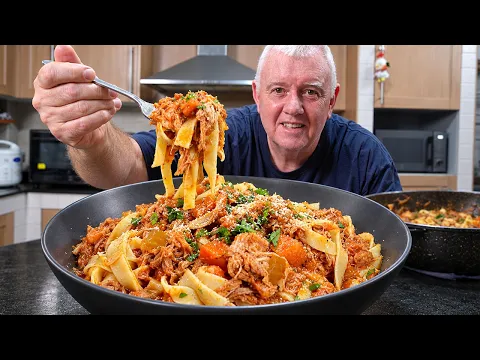 16:55
16:55Master the art of the slow-cooked pork rag with this low-intervention recipe from Backyard Chef, featuring bone-free pork shoulder, a classic sofrito, and a rich red wine and tomato braise.
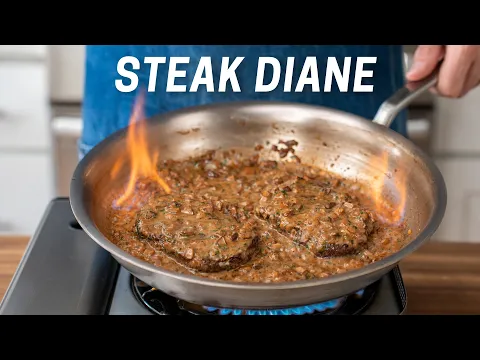 18:10
18:10Reclaim a retro steakhouse classic with this rapid, professional-standard preparation. Brian Lagerstrom demonstrates how to execute a 15-minute Steak Diane using high-heat searing, weighted contact, flambé safety, and a glossy pan sauce emulsion.
 5:29
5:29Hickory Hills Country Club's Executive Sous Chef Maggie Phillips demonstrates how to execute a high-volume Steak Oscar using a stabilised béarnaise sauce.
 10:44
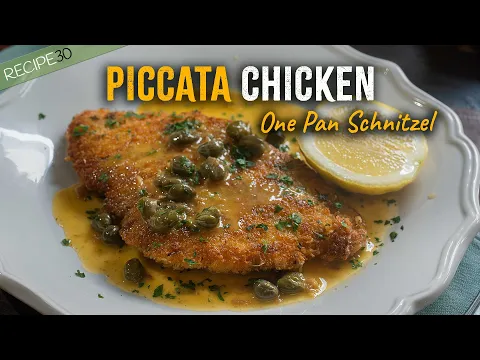
10:44Discover how to fuse the ultimate crunch of a panko chicken schnitzel with the sharp, silky gloss of a classic Italian-American piccata sauce in this quick, one-pan masterclass.
 10:06
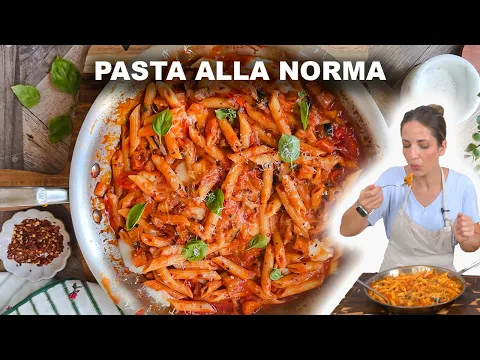
10:06Master the art of crispy fried eggplant and a rich, double-tomato sauce with this comforting Italian classic. Learn how to achieve the perfect texture balance and melty finish for an outstanding Pasta alla Norma.
 12:08
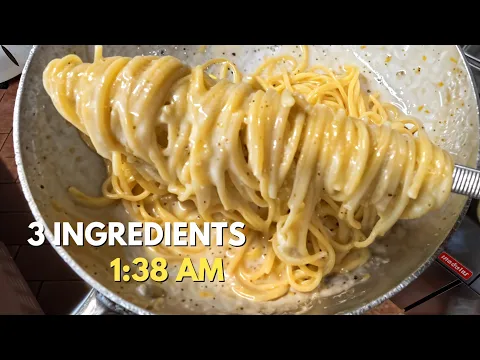
12:08Learn the professional technique behind a flawless, cream-free pasta al limone. This late-night recipe uses just three ingredients, relying on starch emulsification and temperature control to build a glossy, vibrant sauce.
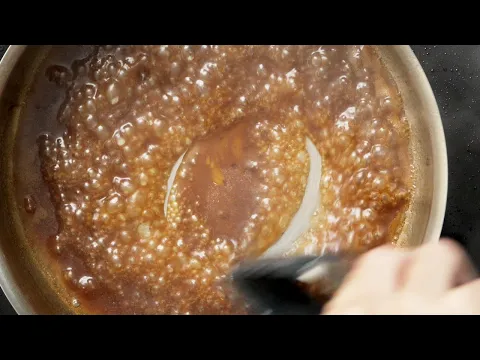 18:47
18:47Master a two-part make-ahead pan sauce technique that splits fat-soluble aromatics and savoury liquids to deliver restaurant-quality sauces in minutes during service.
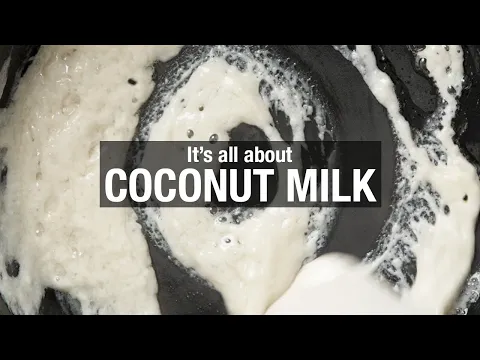 30:05
30:05Learn the essential food science of Thai green curry. Discover why coconut milk splits, how to control flavour balance with scratch paste, and how to manage heat to preserve volatile aromatics.
 19:05
19:05Learn the traditional techniques behind a 30-year family recipe for rustic adjika, a vibrant, slow-cooked chilli and pepper condiment perfect for grilled meats.
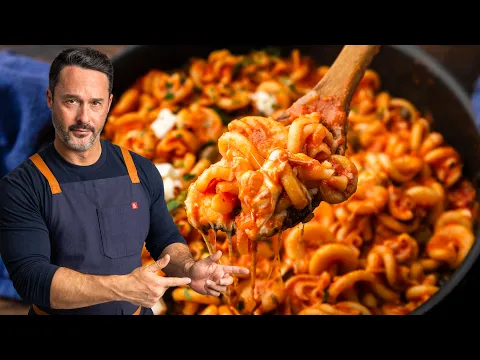 12:59
12:59A professional breakdown of Pasta alla Vesuviana, a rapid-service Neapolitan pasta featuring a robust olive, caper, and tomato sauce finished with melted fresh mozzarella.
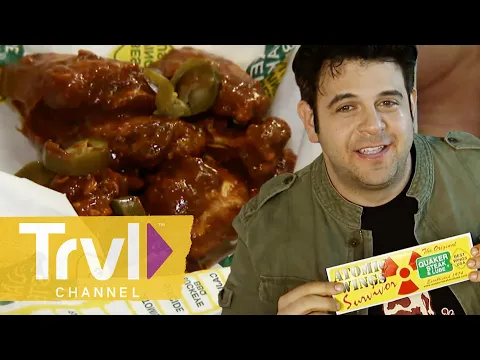 16:52
16:52An editorial analysis of America's spiciest food challenges, exploring the culinary science of capsaicin, heat balancing, and safety protocols in high-heat prep.
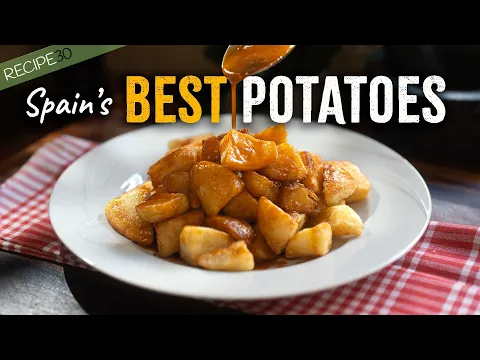 12:52
12:52Discover the secrets of authentic Madrid-style Patatas Bravas. Learn why the crucial steam-drying phase and double-fry technique deliver a perfect crunch, paired with a classic tomato-free pimentón sauce.
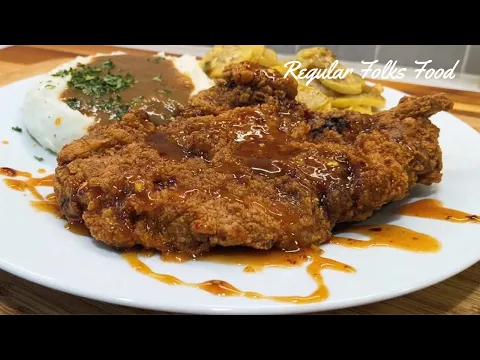 17:19
17:19Learn how to achieve a perfectly adhered, extra-crispy crust on bone-in pork chops using a dual-purpose batter-and-dredge system, finished with a balanced bourbon hot honey glaze and rustic pan gravy.
Shorts & reels
Sixty-second clips — one idea, one trick, no preamble.
 2:05
2:05 2:16
2:16 1:21
1:21 1:25
1:25 2:58
2:58 1:18
1:18 2:34
2:34 1:22
1:22 1:00
1:00 1:44
1:44 1:00
1:00 0:45
0:45 1:07
1:07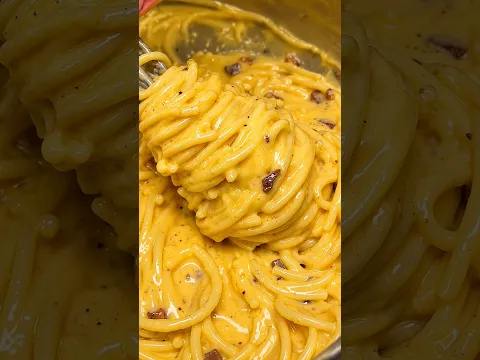 0:53
0:53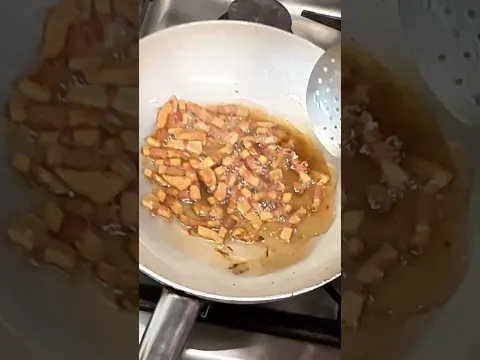 0:57
0:57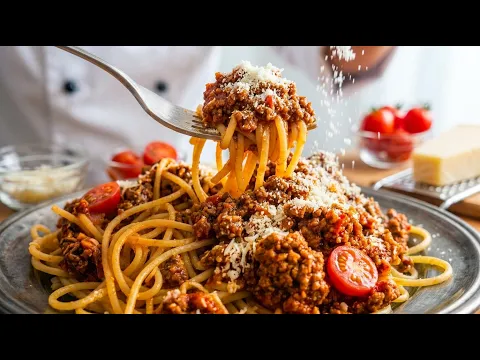 2:56
2:56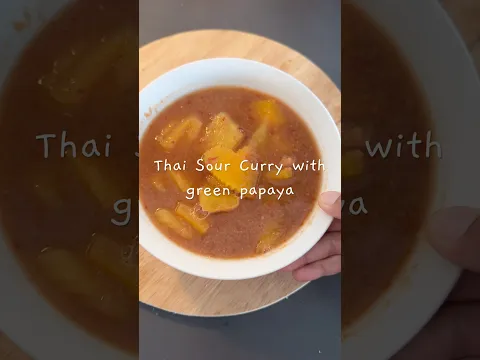 0:47
0:47 1:26
1:26 1:04
1:04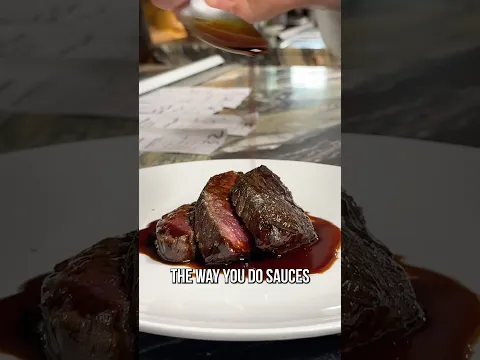 0:43
0:43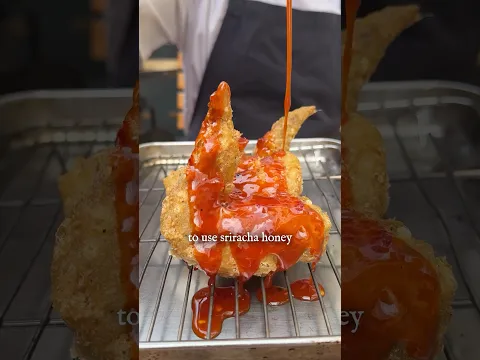 0:54
0:54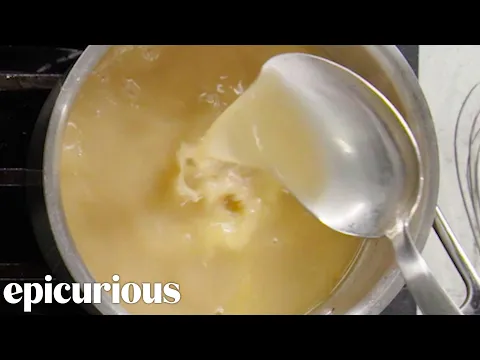 0:55
0:55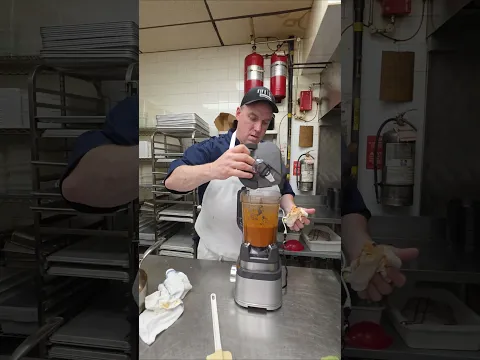 2:30
2:30 2:42
2:42 0:48
0:48 1:29
1:29 0:35
0:35 0:30
0:30 2:59
2:59 1:20
1:20Questions from the pass
You boiled it instead of simmering. Rapid boiling emulsifies fat and impurities into the liquid. Keep stock at a bare simmer—ideally 85°C to 90°C—and skim the surface every 30 minutes. Never stir the bones, and strain through a fine chinois lined with muslin.
Whisk a tablespoon of boiling water into a clean warm bowl, then slowly whisk in the split emulsion. If that fails, whisk a fresh egg yolk with a teaspoon of water over a bain-marie, then gradually stream in the broken sauce. Keep holding temperatures between 45°C and 55°C to prevent future splitting.
Espagnole is a classic mother sauce made from brown veal stock, roasted mirepoix, tomato purée, and brown roux. Demi-glace is a 50/50 reduction of this espagnole and fresh brown veal stock, simmered down by half until it coats the back of a spoon. Use demi-glace as the base for finished sauces like Bordelaise.
Beurre blanc is a temporary emulsion. It splits if it goes above 58°C, which melts the milk solids, or below 45°C, where the butter solidifies. To hold it during service, keep it in a thermos flask or a warm bain-marie, and whisk in a splash of heavy cream during reduction to stabilise the proteins.
Reduce brown veal or beef stock by 85% to 90% of its original volume. Simmer it slowly over low heat for 12 to 24 hours, skimming constantly. It is ready when it reaches a thick, syrupy consistency that solidifies into a rubbery gelatin when chilled. Use a 10:1 stock-to-glaze ratio as your guide.
The library is just the prep work
A free account on The Chef's Circle app gets you a professional portfolio, a way in with chefs and kitchens across our 1.6 million-strong following, and a cut of the ad revenue on the content you make.