Top 5 Affordable MICHELIN Guide Eats in Surat Thani & Ko Samui
15 August 2026 · 3:45 watch
Advertisement
An editorial analysis of the MICHELIN Guide's expansion into Southern Thailand, highlighting the culinary techniques behind the region's legendary Bib Gourmand street food.
Key takeaways
- Southern Thai cuisine relies on balancing intense chilli heat with fresh local seafood and rich coconut fat.
- Bib Gourmand success in this region demonstrates how scratch-made curry pastes can lift inexpensive ingredients.
- Hand-pounding curry pastes releases essential oils that machine-blending often shears and oxidises.
- Proper tempering of the spice paste in coconut cream is critical to prevent bitterness and achieve a glossy sauce.
Southern Thailand's gastronomyGastronomyThe study and appreciation of food, cooking, culture and the dining experience. is renowned for its bold, uncompromising flavours, characterised by intense chillies, pungent shrimp pastes, and rich coconut milk. The MICHELIN Guide’s expansion into Surat Thani and Ko Samui highlights how these fiery, regional elements are masterfully balanced to achieve Bib Gourmand recognition. For professional chefs, understanding this regional profile offers valuable lessons in balancing high-impact spices with coastal freshness.
Mastering Southern Thai Aromatics and Seafood
A chef studying the culinary landscape of Surat Thani and Ko Samui will observe an uncompromising reliance on local seafood paired with intense aromaticsAromaticsIngredients such as onions, garlic, celery, herbs and spices used to build flavour in a dish.. Unlike the milder curries of Central Thailand, Southern Thai dishes frequently leverage fresh turmeric, lemongrass, and bird's eye chillies to create sharp, pungent pastes.
The primary challenge when executing these dishes lies in managing the high heat of the chillies so that it enhances, rather than masks, the delicate sweetness of fresh coastal ingredients like crab, prawns, and local fish. Traditional techniques involve hand-pounding curry pastes to release essential oils, followed by careful temperingTemperingControlled heating and cooling of ingredients, particularly chocolate, to create the desired crystalline structure. in coconut cream to control the fat-to-spice ratio. Timing is critical; overcooking the aromaticsAromaticsIngredients such as onions, garlic, celery, herbs and spices used to build flavour in a dish. can result in a bitter finish, whilst under-frying the paste prevents the oils from properly splitting, which is essential for a glossy, authentic sauce texture.
Cost-Effective Excellence on the Plate
The Bib Gourmand category prioritises high-quality cooking at an accessible price point, which provides excellent inspiration for menu development and kitchen economics. The featured eateries demonstrate how humble, locally sourced ingredients can be lifted through precise technique.
By focusing on regional specialties such as slow-simmered curries, complex seafood broths, and native herbs, these kitchens achieve remarkable depth of flavour without relying on premium, high-cost proteins. The key takeaway for chefs looking to optimise food costs is to invest preparation time into building complex flavour bases—such as fermented shrimp paste (kapi) mixtures and scratch-made stocks—which transform inexpensive local catches into destination-worthy dishes. This approach proves that masterfully executed street-food techniques can meet the rigorous standards of international culinary guides.
Questions from the pass
Frequently asked questions
What defines the distinct flavour profile of Southern Thai cuisine compared to other regions?
Southern Thai cuisine is defined by its intense spiciness, sharp sourness, and heavy reliance on local seafood, fresh turmeric, and fermented shrimp paste. Unlike Central Thai cooking, it uses less palm sugar, resulting in a cleaner, more fiery profile that demands careful balancing of aromatics and heat.
Why is the manual pounding of curry pastes preferred over mechanical blending?
Hand-pounding curry pastes in a mortar and pestle crushes the cell walls of the aromatics, which releases their natural essential oils and creates a more cohesive emulsion. Mechanical blending shears the ingredients and introduces air, which can oxidise the herbs and mute the final flavour of the curry.
How do chefs prevent the fiery heat of Southern Thai chillies from overwhelming delicate seafood?
Chefs balance the intense heat of Southern Thai chillies by utilising the natural sweetness of fresh coconut milk and acidic elements like tamarind or lime. This contrast coats the palate, allowing the natural sweetness of fresh crab, prawns, or fish to shine through the spice.
What is the significance of the fat splitting when frying a curry paste?
Frying the curry paste until the coconut fat splits indicates that the water has evaporated and the paste is cooking in the hot oil. This process ensures the raw flavour of the aromatics is completely cooked out, resulting in a deeply fragrant, glossy sauce that does not taste chalky.
Main ingredients
Original video by MICHELIN Guide. This overview is written independently by The Chef's Circle editorial desk — watch the original on YouTube.
Keep reading
Related from the Community
 0:26
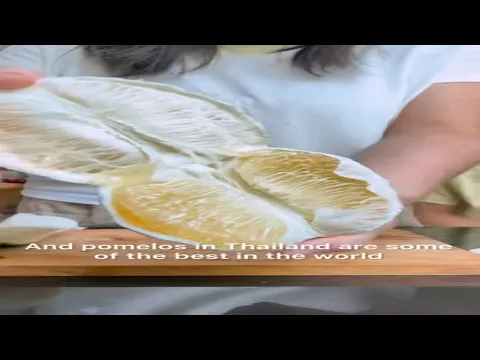
0:26Have you ever had a Thai pomelo?
 0:41
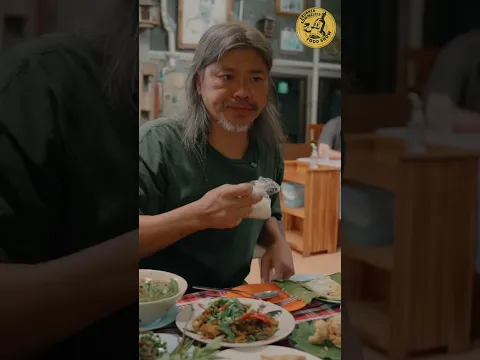
0:41A Thai Chef's Thoughts on Eating with Your Hands
 0:48
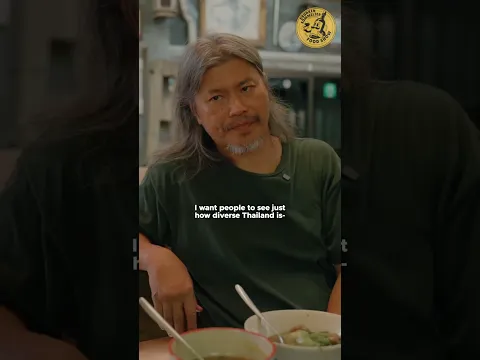
0:48MICHELIN STAR THAI CHEF ON THAILAND'S LESSER-KNOWN FOOD DIVERSITY
 1:53
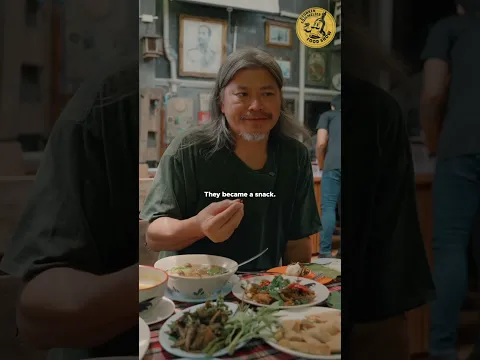
1:53Eating Winged-Termites in Northern Thailand
 16:27
16:27Satay Chicken Meatballs
 5:16
5:16