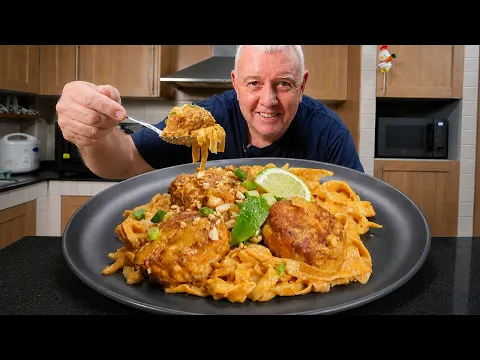
 16:27
16:27Backyard Chef
Satay Chicken Meatballs
Discover how to prepare tender chicken meatballs in a rich, one-pan peanut satay sauce using smart moisture-retention and emulsion techniques.
Cuisine
Master the balance of hot, sour, salty, and sweet with professional techniques, speed-focused prep, and authentic Thai recipes from leading chefs.
Thai cookery is defined by the balance of five key flavor profiles: sour, sweet, salty, bitter, and hot. It is a high-heat, fast-paced discipline where prep is everything. Mastering the wok, understanding the fermentation of fish sauce, and balancing the acidity of tamarind against palm sugar are the foundations of the Thai kitchen. Miscalculate these ratios, and the entire dish falls flat.
This collection brings together practical techniques for busy kitchens. You will find breakdowns on executing the perfect Pad Thai—balancing the sweet-sour paste without clumping the noodles—alongside rapid 30-minute methods for crispy pork belly. We cover essential curry techniques, from paste ratios to cracking coconut cream, featuring insights into classic Massaman and fragrant Thai basil chicken.
With video guides and tutorials from Pailin's Kitchen, ThaiChef Food, and Jet Tila, these resources focus on authentic ingredients and street-food speed. Learn how to source the right ingredients and master the knife work required to keep pace during service.
16:27Discover how to prepare tender chicken meatballs in a rich, one-pan peanut satay sauce using smart moisture-retention and emulsion techniques.
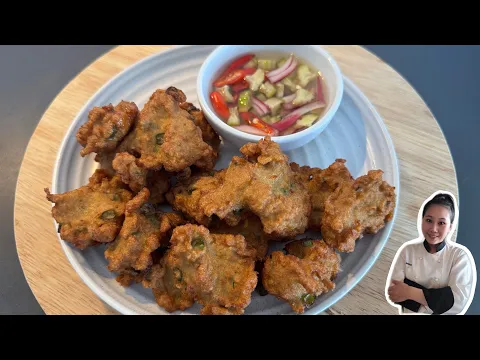 5:16
5:16Master the science of the perfect Thai fish cake. Learn how to emulsify barramundi with ice water and scratch-made red curry paste for a springy, authentic Tod Mun Pla texture.
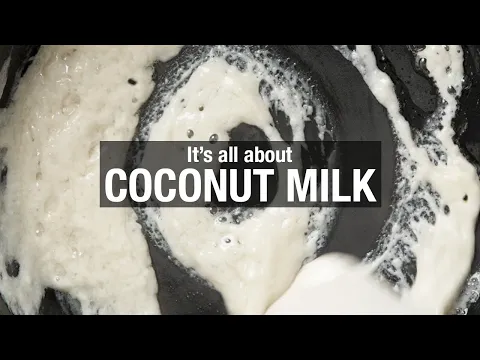 30:05
30:05Learn the essential food science of Thai green curry. Discover why coconut milk splits, how to control flavour balance with scratch paste, and how to manage heat to preserve volatile aromatics.
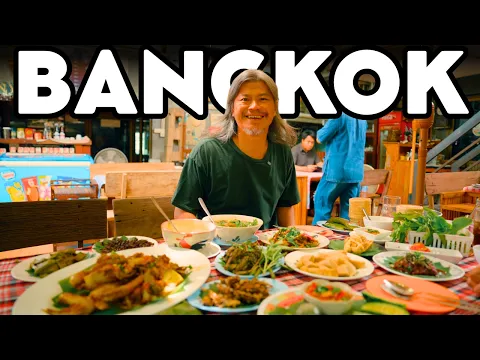 18:55
18:55Step inside the off-duty dining habits of Michelin-starred Chef Prin Polsuk as he explores the bitter, fiery, and uncompromised world of Northern Thai raw buffalo larb.
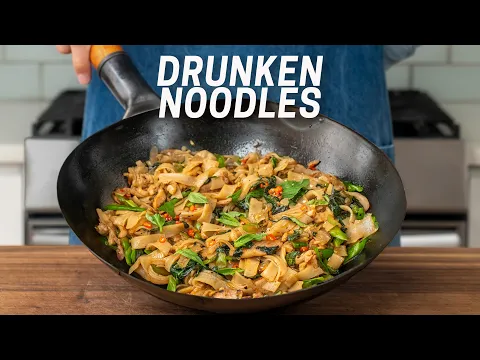 17:27
17:27Master the fast-paced art of Thai street food with this 25-minute guide to Pad Kee Mao. Learn how to control wok heat, hydrate wide rice noodles perfectly, and balance intense savoury-sweet caramelisation.
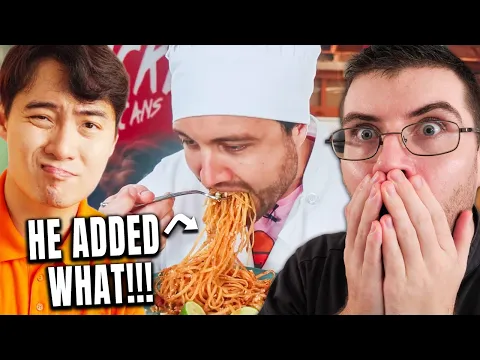 19:27
19:27A professional chef's breakdown of the viral "Dollar Store Pad Thai" controversy, examining the culinary pitfalls of extreme budget substitutions like spaghetti for rice noodles, and how to maintain authentic flavor profiles on a budget.
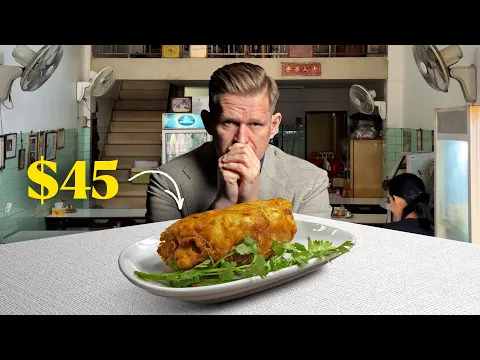 10:06
10:06An editorial evaluation of Jay Fai’s legendary Michelin-starred street food in Bangkok, focusing on the high-heat wok techniques and culinary theatre that define her world-famous crab omelette.
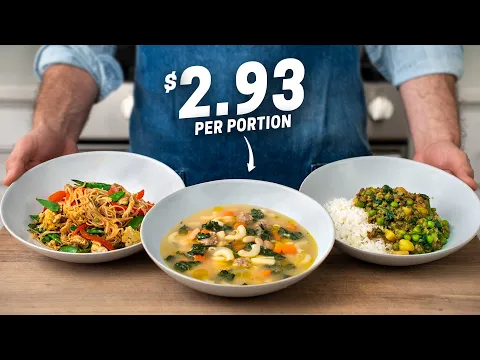 14:57
14:57Learn how to execute rapid, high-impact dishes under 30 minutes. Discover professional techniques for sequential sautéing, starch hydration, and smart prep to keep ingredient costs low and flavours complex.
 146:06
An editorial analysis of the MICHELIN Guide Ceremony Thailand 2024, exploring the evolving standards of fine dining, the rise of sustainable gastronomy, and key strategic takeaways for professional chefs.
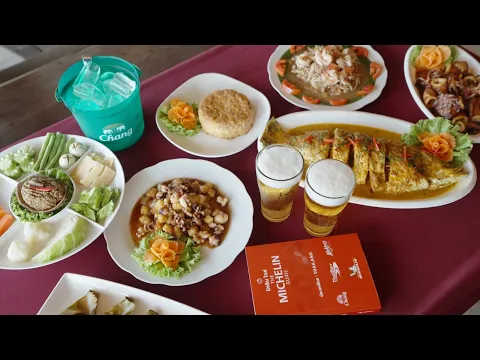 3:45
3:45An editorial analysis of the MICHELIN Guide's expansion into Southern Thailand, highlighting the culinary techniques behind the region's legendary Bib Gourmand street food.
 3:01
3:01Discover how Bangkok’s top budget eateries achieve culinary excellence. Learn the secrets of high-volume street-food efficiency, master broths, and the art of balancing five distinct flavours using affordable ingredients.
 17:53
17:53An expert editorial analysis of Chef Pam's award-winning restaurant Potong in Bangkok, evaluating its progressive Thai-Chinese tasting menu design, heritage-driven concept, and operational pacing.
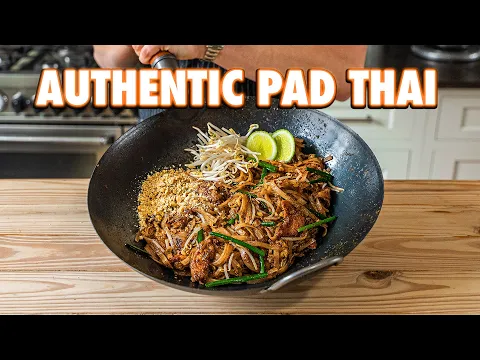 7:06
7:06Master the art of authentic Pad Thai at home. Learn the essential techniques of noodle hydration, high-heat wok sequencing, and how to balance the ultimate sweet-sour-salty tamarind sauce.
 10:16
10:16Discover how to bypass hours of boiling and drying with this rapid, 30-minute Thai street food method for ultra-crispy fish sauce fried pork belly.
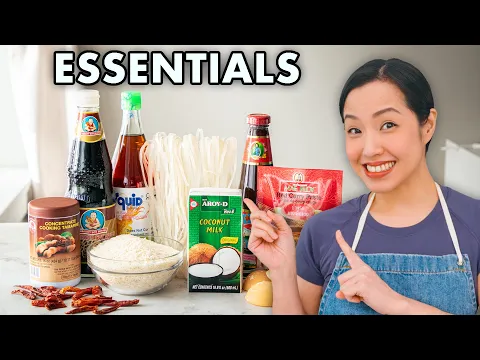 18:28
18:28Mastering the Thai larder is the foundation of authentic Thai cuisine. Chef Pailin Chongchitnant breaks down the essential sauces, aromatics, and pantry staples required to replicate genuine Thai flavour profiles in a professional kitchen.
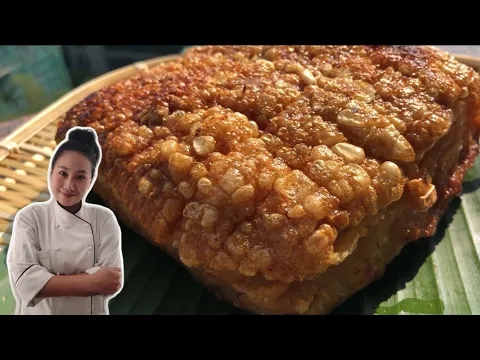 4:40
4:40Discover the essential professional techniques for preparing Thai-style crispy pork belly (Moo Krob). Master the art of skin dehydration, precise scoring, and heat management to achieve an ultra-crispy, blistered crackling every time.
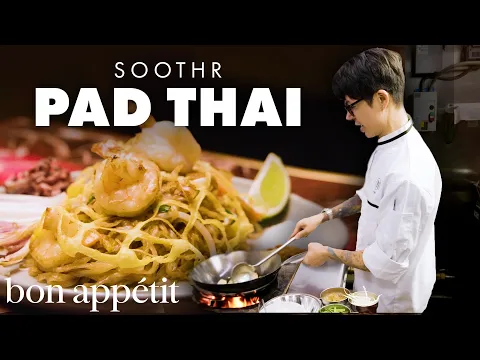 10:39
10:39Discover how Chef Joel Chidensee Watthanawongwat of NYC's Soothr lifts traditional Pad Thai with precise noodle prep, authentic sauce balancing, and his signature egg net technique.
 12:03
12:03Master the art of authentic Thai street food with Jet Tila's step-by-step guide to Thai basil chicken, focusing on high-heat searing and perfect sauce reduction.
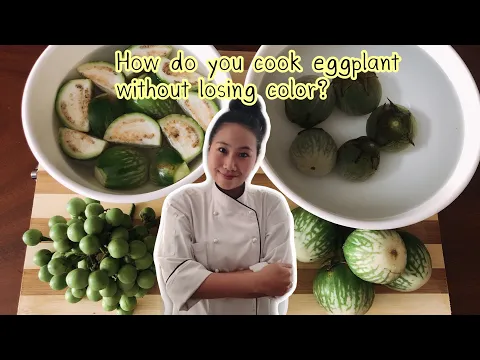 6:29
6:29Discover the professional Thai kitchen secrets to preventing round and pea eggplants from oxidising, ensuring they retain their brilliant green colour during busy restaurant service.
 33:13
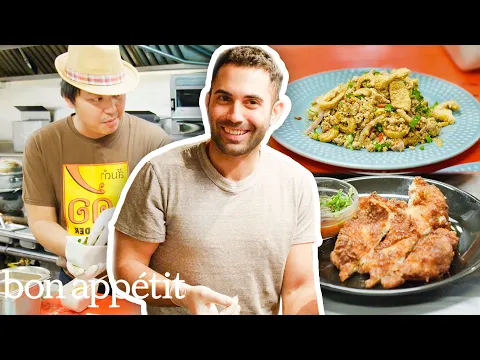
33:13Explore the foundational techniques of Isan Thai cuisine, including the art of balancing pungent seasonings, perfecting crispy Thai fried chicken, and steaming authentic sticky rice.
 5:53
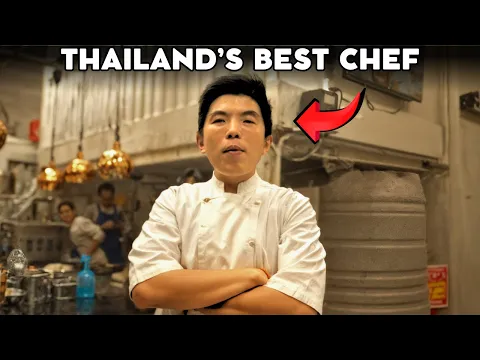
5:53Discover the culinary secrets of Thailand's legendary stir-fry as Michelin-starred Chef Ton and a veteran street food vendor break down the art of authentic Pad Thai.
 22:38
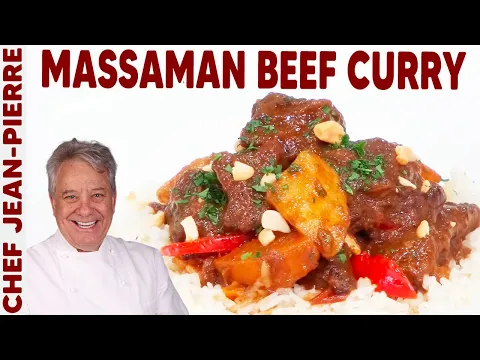
22:38Discover how classical French searing and layering techniques can transform a traditional Thai Massaman beef curry into an ultra-rich, deeply complex masterpiece.
Shorts & reels
Sixty-second clips — one idea, one trick, no preamble.
 0:26
0:26 0:41
0:41 0:48
0:48 1:53
1:53 0:33
0:33 0:39
0:39 0:55
0:55 0:47
0:47 0:45
0:45 0:50
0:50 0:30
0:30 0:42
0:42 1:01
1:01 1:18
1:18 0:29
0:29 1:14
1:14 1:58
1:58 1:04
1:04 1:01
1:01Questions from the pass
If a curry like Gaeng Keow Wan is too salty, balance it with palm sugar, not water, which dilutes the coconut cream. If too sour, add a pinch of salt or a splash of fish sauce to counter the lime. Always taste at service temperature, around 75°C, as heat masks saltiness.
You actually want it to split when making traditional curries like Massaman or Red Curry. Fry the thick coconut cream over medium heat until the oil separates, then fry your curry paste in this fat. For a smooth finish at the end of service, stir in thin coconut milk and do not boil it.
Soak dry sen lek rice noodles in cold water for 45 to 60 minutes until pliable but al dente, never boil them. Drain thoroughly and toss with a neutral oil. Portion into individual service bags. When stir-frying on a high-BTU wok burner, cook for no more than two minutes, adding Pad Thai sauce to lubricate.
Peel away the tough outer layers of the lemongrass stalk until you reach the pale, tender core. Slice it wafer-thin from the base up to where the green begins. For high-volume prep, blitz the sliced lemongrass with coarse sea salt in a food processor before pounding in a granite mortar to achieve a smooth texture.
No. Pad Kra Prow relies on the peppery, clove-like heat of holy basil (Bai Kra Prow). Thai sweet basil (Bai Horapa) tastes of aniseed and is used in green curries. If holy basil is unavailable, substitute with Italian flat-leaf parsley mixed with black pepper and mint to mimic the peppery profile.
The library is just the prep work
A free account on The Chef's Circle app gets you a professional portfolio, a way in with chefs and kitchens across our 1.6 million-strong following, and a cut of the ad revenue on the content you make.